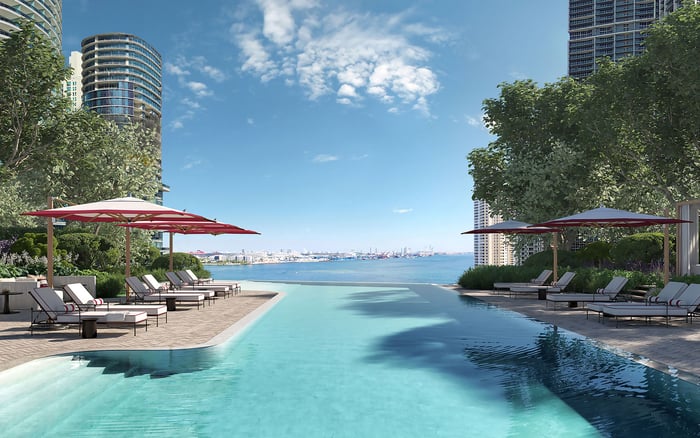
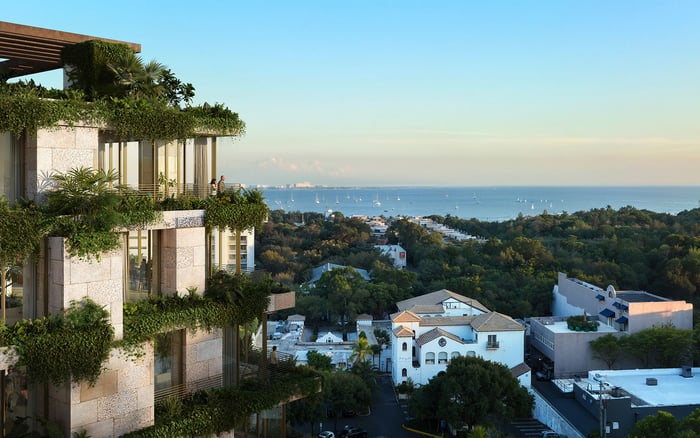
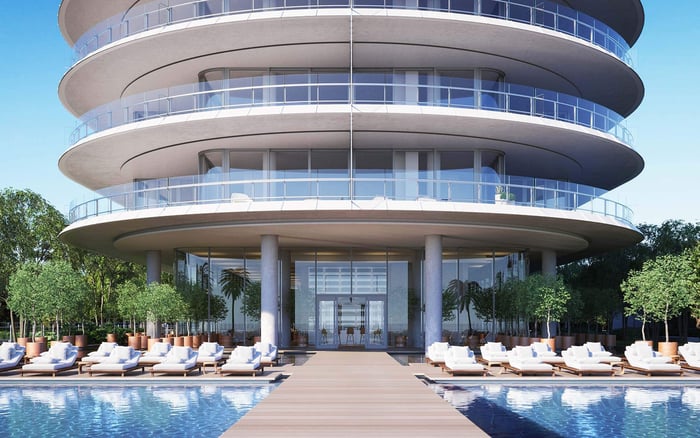
A practical luxury buyer framework for evaluating privacy-forward South Florida neighborhoods while keeping insurance, HOA obligations, governance, and everyday livability in view.
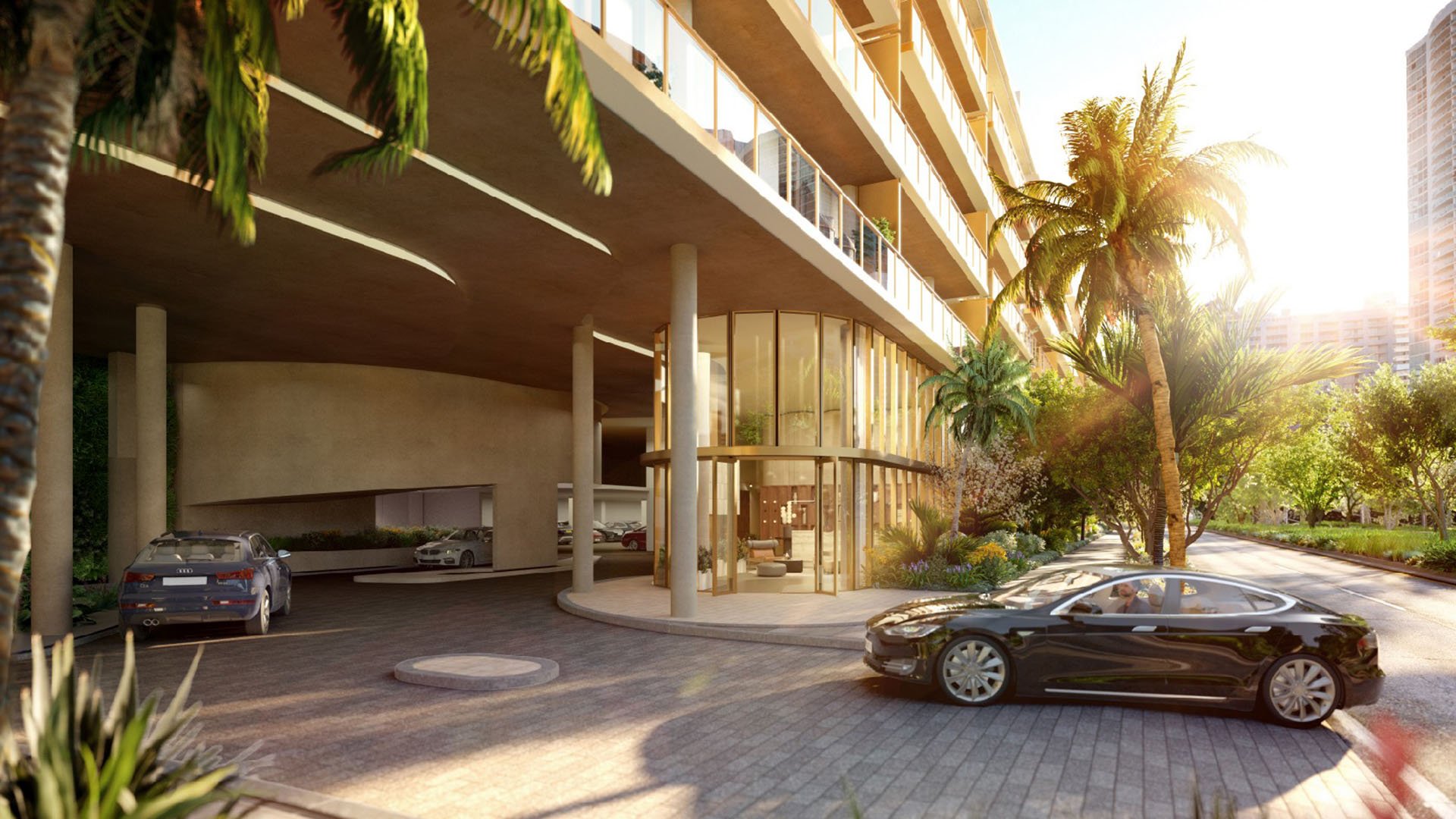
In South Florida luxury real estate, privacy is often discussed as though it were a gate, a hedge, a setback, or a private elevator. Those elements matter, but privacy-forward underwriting goes further. It asks whether the property, the street, the building, the association, and the surrounding daily rhythm all protect the way an owner intends to live.
A waterfront estate can feel exposed if boat traffic runs close to the seawall. A high-floor condominium can feel private inside the residence but public through the arrival sequence. A gated community address can offer control at the entrance while still requiring close attention to architectural rules, visitor protocols, service access, and neighbors' sightlines. True privacy is both spatial and operational.
For the ultra-premium buyer, the goal is not isolation. It is controlled exposure. The home should allow a family to host, work, rest, arrive, depart, and receive service without friction. The underwriting challenge is to measure that experience without treating insurance, HOA fees, reserves, and daily use as afterthoughts.
Begin by mapping how people and visibility move around the property. On a single-family site, study the street approach, driveway depth, landscape layering, neighboring windows, dock exposure, terrace placement, and the relationship between entertaining areas and bedrooms. In a condominium purchase, examine arrival, valet flow, elevator access, corridor design, amenity adjacency, staff circulation, and the number of homes sharing key thresholds.
Privacy-forward neighborhoods often command attention because they reduce randomness. Fewer cut-through streets, more intentional landscaping, deeper lots, and controlled points of entry can all support a calmer residential experience. But the strongest privacy map also accounts for what happens at 7 a.m., at school pickup, during dinner service, on holiday weekends, and around major nearby events.
In Brickell, privacy may depend less on distance from activity and more on vertical separation, private access, acoustic performance, and building operations. In Miami Beach, the analysis may focus on beach proximity, guest flow, landscape screening, and the choreography between indoor and outdoor living. In Coconut Grove, buyers may weigh tree canopy, lot configuration, and neighborhood texture. Oceanfront settings add another layer: views and prestige can be exceptional, but exposure to weather, maintenance, and public-facing edges deserves careful review.
Privacy should never be underwritten separately from insurability. A residence can be rare, discreet, and architecturally important, yet still require a serious carrying-cost review before a buyer can understand the full ownership picture. Insurance is not merely a closing task. It belongs in the first-pass budget alongside property taxes, association dues, maintenance, staffing, and capital reserves.
A disciplined buyer should ask what coverage is required, what coverage is available, what exclusions may apply, and how the property's design, age, systems, elevation, openings, roof condition, and proximity to water may affect the conversation. For condominiums, the inquiry should extend to the association's master policy, deductibles, owner responsibilities, and the relationship between building coverage and interior improvements.
This is especially important when privacy is attached to features that increase complexity: expansive glass, waterfront exposure, private docks, specialty materials, lush landscaping, outdoor kitchens, guest structures, or large terraces. These elements may be central to the lifestyle value, but they should be evaluated as operating assets, not just visual luxuries.
In a luxury condominium or private community, HOA fees are part of the privacy infrastructure. They can support security, staffing, landscaping, amenities, building systems, access control, reserves, insurance, maintenance, and management. The question is not simply whether the fee feels high or low. The question is what it buys, how transparently it is governed, and whether it aligns with the buyer's expectations.
A low fee can be attractive until it signals deferred obligations. A high fee can be reasonable if it supports exceptional staffing, durable reserves, and an environment that protects the asset. Buyers should review budgets, reserve posture, special assessment history, rules, architectural controls, rental policies, pet policies, guest procedures, and the tone of governance.
For privacy-forward living, governance can be as important as architecture. Rules around construction hours, deliveries, vendors, event use, exterior modifications, leasing, and amenity conduct all shape the lived experience. A private building with weak enforcement may feel less composed than a larger building with mature operations.
Luxury buyers often understand rarity instinctively, but daily use requires a slower lens. A home that photographs beautifully may not support the owner's actual schedule. The most important question is simple: how will this property function on an ordinary Tuesday?
Consider the morning departure, school routes, office commute, airport access, grocery and pharmacy runs, fitness routines, boating plans, dining preferences, household staff parking, dog walking, deliveries, and guest arrivals. If the owner works from home, acoustic separation and discreet service circulation may be essential. If the home is a second home, lock-and-leave ease, building management, and predictable maintenance may matter more than square footage.
Investment thinking also belongs here, even for an owner-user. A privacy premium is strongest when it is understandable to the next buyer. That means the privacy should be legible: controlled access, thoughtful site planning, protected views, quality management, and a neighborhood pattern that supports continued desirability.
Not all private neighborhoods offer the same kind of discretion. Island and waterfront communities may deliver controlled access, water orientation, and a quieter residential cadence. Boutique urban buildings may offer privacy through service, vertical separation, and controlled circulation. Garden-oriented neighborhoods may rely on canopy, setbacks, and architectural rhythm.
The buyer should define the desired privacy type before comparing properties. Is the priority visual privacy from neighbors, security at arrival, anonymity in daily movement, quiet interiors, protected outdoor living, or separation between family life and entertaining? A property may excel in one category while underperforming in another.
For example, an oceanfront residence can provide a cinematic sense of escape, but the buyer should study terrace exposure, storm preparation, building maintenance, and the transition from public edge to private interior. A Brickell residence may offer remarkable convenience, but the underwriting should focus on arrival discretion, elevatoring, amenity density, and acoustic control. A Coconut Grove search may reward buyers who value layered landscapes and a softer residential cadence, while a Miami Beach search may require careful attention to guest movement, beach access, and neighborhood intensity.
A serious privacy-forward purchase deserves a one-page carrying-cost matrix before emotional commitment deepens. Include estimated debt service if applicable, property taxes, insurance, HOA or community fees, utilities, landscaping, pool service, dock or seawall obligations, building assessments, staffing, security, routine maintenance, and an annual capital reserve.
The matrix should separate fixed, variable, and event-driven costs. Fixed costs are predictable obligations. Variable costs respond to lifestyle choices. Event-driven costs may arise from repairs, improvements, association decisions, or weather preparation. This structure helps buyers compare properties that may look similar in price but behave very differently in ownership.
The same matrix should include time cost. How much attention will the property require from the owner, family office, property manager, or staff? A private estate may provide extraordinary control, but it may also require more direct oversight. A well-run condominium may reduce friction, but it introduces shared governance. Neither model is inherently superior. The right answer depends on the owner's desired level of control.
Privacy can be deeply personal, but resale depends on broader recognition. The most resilient privacy features are those many qualified buyers can understand quickly: protected orientation, strong arrival sequence, logical floor plan, quality construction, well-managed association, and a neighborhood with enduring appeal.
Be cautious when privacy depends on conditions outside the owner's control. A vacant neighboring parcel, a lightly used street, or a current pattern of low activity may change. Strong underwriting favors privacy embedded in the asset itself, through site planning, elevation, layout, landscaping, construction quality, access design, and governance.
The best purchases balance romance and discipline. They feel calm, operate cleanly, and make sense on paper. In South Florida's most desirable corridors, that combination is what separates a beautiful acquisition from a durable one.
What is a privacy-forward neighborhood? It is a neighborhood where access, visibility, sound, circulation, and governance support a more controlled residential experience.
Should privacy be valued separately from the home itself? Yes, but only if the privacy is durable, understandable, and supported by the property's design, location, and rules.
Why should insurance be reviewed early? Insurance can materially affect carrying costs and should be understood before a buyer relies on purchase price alone.
Are high HOA fees always a negative? Not necessarily. Fees may support staffing, maintenance, reserves, security, and the operational quality that protects privacy.
What should condominium buyers ask about privacy? They should examine arrival sequence, elevator access, staff circulation, amenity proximity, guest procedures, and governance.
How does daily use change underwriting? Daily use reveals whether the home supports real routines, including commuting, service, entertaining, pets, and family needs.
Is a gated community automatically more private? It can help, but the buyer should still study sightlines, rules, enforcement, visitor flow, and neighboring conditions.
Does oceanfront living require special scrutiny? Yes. Buyers should weigh exposure, maintenance, terrace privacy, insurance considerations, and the public-to-private transition.
Can privacy support long-term investment value? It can when the privacy is easy for future buyers to recognize and is supported by strong operations and location quality.
What is the best way to shortlist comparable options for touring? Start with location fit, delivery status, and daily lifestyle priorities, then compare stacks and elevations to validate views and privacy.
When you're ready to tour or underwrite the options, connect with MILLION.
If branded residences are on your mind — as a home or as an allocation — we would be glad to share what we are seeing, privately.
Begin a quiet conversation