A private-showing guide for assessing where red-light therapy belongs inside a luxury South Florida residence, with emphasis on privacy, power, proportion, glare, and daily ritual.
Red-light therapy has become part of the private wellness vocabulary in South Florida real estate, but its success inside a residence depends less on the device than on where the ritual lives. During a private showing, the question is not simply whether a primary suite, spa room, gym, den, balcony, or cabana-adjacent area has enough space. The sharper question is whether that location can support privacy, rhythm, equipment access, visual calm, and daily use without compromising the architecture.
For a luxury buyer, placement should be tested with the same rigor as art lighting, closet planning, or outdoor kitchen flow. A beautiful room can fail if a red-light panel faces reflective glass, interrupts circulation, or requires visible wiring. A modest alcove can perform beautifully if it is quiet, shielded, well proportioned, and close to the moments in the day when the treatment would actually happen.
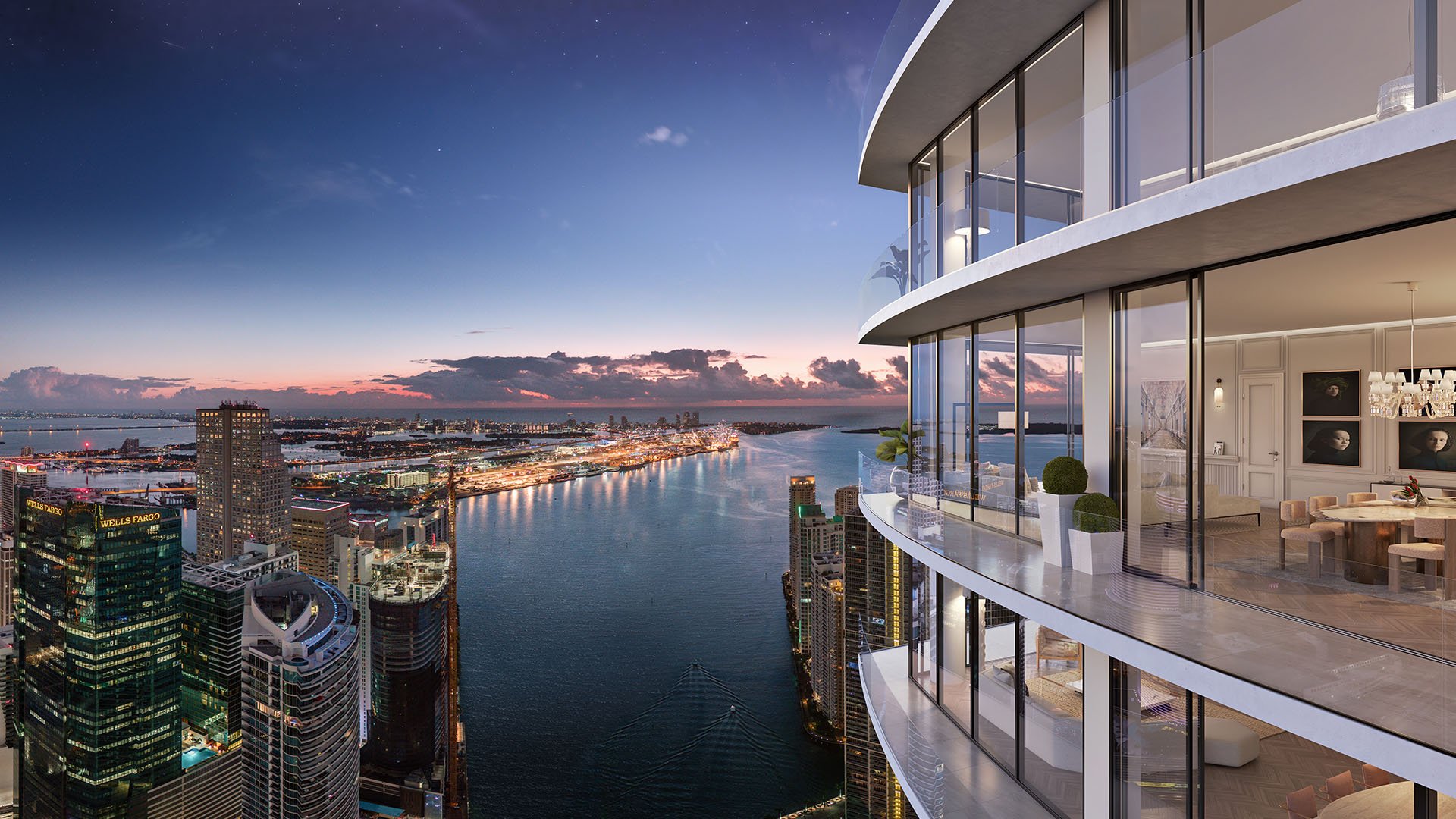
In Brickell, where glass, skyline exposure, and vertical living often define the plan, glare and privacy are usually the first concerns. In Miami Beach, proximity to terraces, pools, and spa-like bathrooms may create more options, but also more potential light spill. In Coconut Grove, larger floor plans and softer garden settings may offer calmer wellness rooms, provided the location does not feel detached from daily routine.
Before the showing, decide what type of red-light ritual you are testing. Is it a standing panel used for ten quiet minutes before a shower? A reclined setup after training? A dedicated wellness wall in a gym? A discreet corner in a primary dressing area? Each version has a different footprint, posture, and privacy requirement.
A placement brief should be simple. Note the preferred body position, whether the unit is freestanding or mounted, whether two people might use the room, how visible the equipment may be, and whether it should disappear when not in use. This keeps the showing focused and prevents the common mistake of choosing the most photogenic location rather than the most usable one.
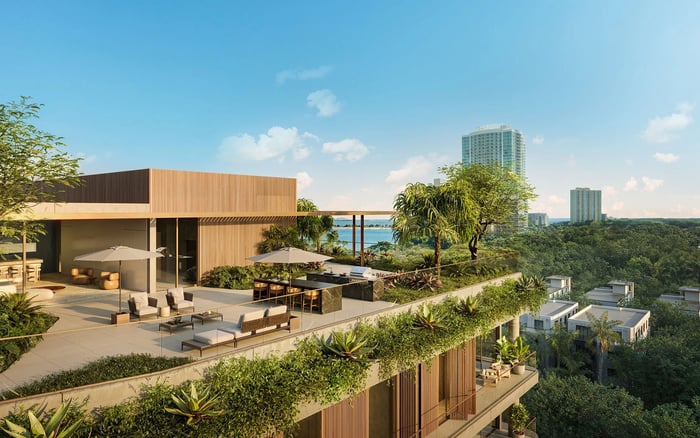
For a penthouse, the instinct may be to place the treatment near dramatic views. That can work only if privacy, reflection, and late-day brightness are controlled. For a garden-level or pool-adjacent residence, the spa logic may be stronger, but humidity, towel traffic, and guest visibility should be considered.
During the showing, ask permission to use painter’s tape, a folded towel, or a portable bag to represent the approximate footprint of the device and user position. The goal is not to install anything. It is to see whether the wellness ritual fits within the room’s real geometry.
Stand where the user would stand or recline. Open nearby doors. Pull out drawers. Walk the route from the shower, closet, gym, or terrace. If the room has a seating group, consider whether the device would read as part of a composed wellness vignette or as an awkward object waiting to be hidden.
Look especially at pinch points. A red-light setup that narrows the passage between bed and bath may become irritating within days. A panel placed near a closet island may interfere with dressing. A device tucked behind a chaise may look discreet but become inconvenient enough that it is rarely used.
The best placement usually has three qualities: a clear user zone, a quiet storage logic, and a direct relationship to an existing wellness habit. If it cannot satisfy all three, keep testing.
Red-light therapy introduces a visual condition unlike ordinary decorative lighting. During a showing, face the proposed placement and then turn around to see what the device would illuminate. Glass walls, polished stone, mirrors, lacquer, and metal trims can amplify or scatter light in ways that feel theatrical rather than serene.
In high-rise residences, test from both inside and outside the room when possible. If the space faces neighboring towers, a marina, or a shared amenity deck, consider whether the treatment would feel exposed at night. Privacy is not only about being seen. It is about whether the user can relax without managing the room.
Bathrooms and dressing areas can be excellent candidates if ventilation, outlets, and clearances are sensible. Yet mirror-heavy rooms deserve caution. If the device reflects into the eyes, across a vanity, or toward a partner’s side of the suite, the placement may create friction.
A darker media room may seem tempting, but the ritual should not feel hidden or punitive. A refined wellness location should feel intentional, not improvised.
A private showing is the right time to look for the practical details that shape long-term satisfaction. Where are the outlets? Would a cord cross a walkway? Could a floor outlet, wall outlet, or future millwork solution support the desired placement without visible clutter? If the residence is new construction, ask how flexible the electrical and low-voltage planning may be before finishes are finalized.
Consider switches and controls. If the therapy zone is near dimmers, automated shades, bathroom lighting, or gym lighting, the sequence should feel natural. Ideally, the user enters the space, closes a door or adjusts a shade, begins the treatment, and exits without reconfiguring the room.
Service access matters as well. A device wedged behind heavy furniture may be visually tidy but inconvenient to clean, inspect, or replace. If the plan requires custom cabinetry, check whether ventilation, access panels, and cable management can be handled elegantly.
Luxury wellness planning is choreography. The best red-light placement sits along a path the owner already travels. After a morning swim, the route might be pool, shower, treatment, dressing. After training, it might be gym, cooldown, treatment, steam, robe. Before sleep, it may be bath, treatment, reading, bed.
Walk that path during the showing. Notice thresholds, flooring changes, robe hooks, towel storage, seating, and places to set a phone or watch. The treatment may be brief, but the setting should not feel temporary. If the user has to carry accessories across the residence or move furniture to begin, the placement is not yet resolved.
Outdoor-adjacent locations deserve extra scrutiny. A covered terrace or cabana-like room can be atmospheric, but red-light therapy equipment may require a protected, controlled environment. Even when a terrace feels private, weather, salt air, guests, and building rules can complicate the idea. Treat exterior or semi-exterior concepts as design questions to be confirmed before purchase, not assumptions.
Ask whether walls can support mounting, whether added electrical work is feasible, and whether any building rules affect wellness equipment. Ask how shades, privacy glass, or window treatments are controlled. Ask whether the room has been preplanned for fitness, spa, or flexible wellness use.
If the residence is furnished, distinguish between staging and actual livability. A staged chaise, screen, or console may suggest an elegant wellness moment, but confirm whether the necessary clearances remain once the owner’s real furniture and routines arrive.
Most importantly, ask yourself a quieter question: would you use this here three times a week without thinking about it? If the answer is no, the placement is not discreet enough, convenient enough, or calm enough.
A successful red-light therapy location should feel private without being isolated, technical without looking clinical, and convenient without becoming visually dominant. It should respect the architecture and the owner’s schedule. It should also be reversible enough that the room remains valuable if wellness preferences evolve.
In the strongest South Florida residences, wellness is not a room filled with equipment. It is a sequence of decisions that make restoration feel natural. Red-light therapy belongs where that sequence becomes effortless.
Should I test red-light therapy placement during the first showing? Yes, if wellness is a priority. Early testing helps identify privacy, power, and circulation issues before emotional momentum takes over.
What is the simplest way to test the footprint? Use painter’s tape, a folded towel, or a bag to mark the device and user position. Then walk around it as you would in daily life.
Is the primary bathroom always the best location? Not always. Bathrooms can work beautifully, but mirrors, outlet locations, ventilation, and shared use may make another room more practical.
Can a red-light panel work in a bedroom? It can, provided it does not disrupt the sleep atmosphere, partner comfort, circulation, or the visual calm of the suite.
Should I place it near a window or view? Only if privacy and reflection are controlled. Dramatic glass can create glare or exposure, especially in the evening.
What should I ask about electrical planning? Ask where outlets are located, whether added power is feasible, and how cords or controls can be concealed elegantly.
Can it be part of a home gym? Yes, if the gym has a quiet cooldown zone rather than only active workout space. The treatment should feel restorative, not crowded.
Is a terrace placement a good idea? Treat it cautiously. Outdoor or semi-outdoor locations require careful review of protection, privacy, equipment suitability, and building rules.
How do I know if the placement is too visible? If you would feel the need to explain, hide, or move the device before guests arrive, the location may not be discreet enough.
What is the best way to shortlist comparable options for touring? Start with location fit, delivery status, and daily lifestyle priorities, then compare stacks and elevations to validate views and privacy.
For a discreet conversation and a curated building-by-building shortlist, connect with MILLION.
If branded residences are on your mind — as a home or as an allocation — we would be glad to share what we are seeing, privately.
Begin a quiet conversation