A discreet buyer’s guide to evaluating private dining rooms in South Florida luxury residences, from acoustics and service flow to governance, privacy, and resale relevance.
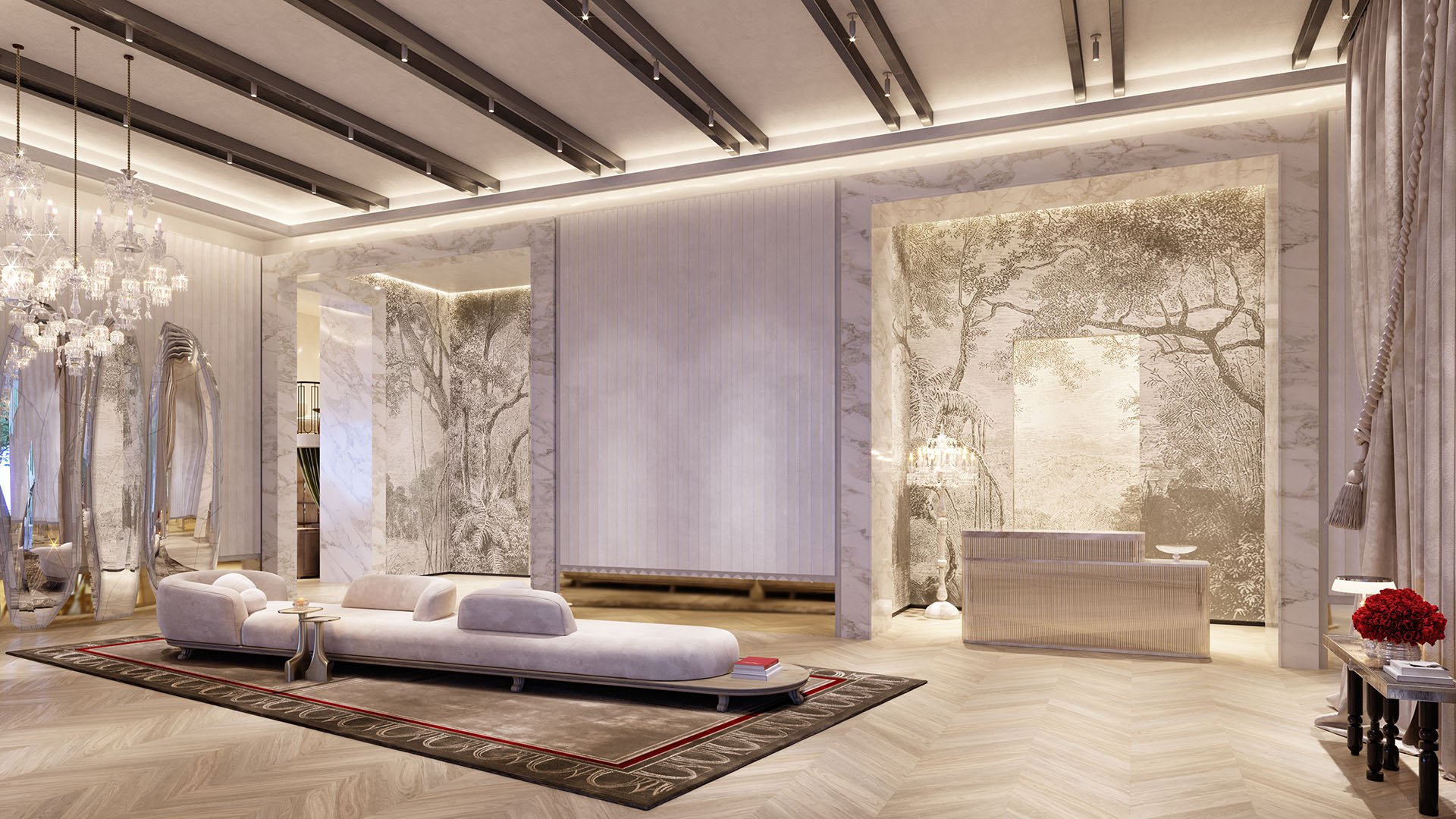
A private dining room is one of the easiest amenities to admire and one of the hardest to evaluate. A tourist sees the table, the lighting, the wine wall, and perhaps the view. A luxury buyer reads something more consequential: how the building intends to host, how it protects privacy, and whether its service culture has been designed for repeat use rather than brochure photography.
In South Florida, where entertaining often moves fluidly between residence, terrace, club room, marina, beach, and restaurant, the private dining room has become a quiet test of taste. It is not merely a place to celebrate a birthday. It is a proxy for how a building understands discretion, staffing, acoustics, circulation, and the social expectations of owners who may use the room for family dinners, investor meetings, holiday evenings, or chef-led gatherings.
The better question is not whether the room is beautiful. The better question is whether it behaves beautifully when occupied.
The approach matters. A refined private dining room should never feel like a banquet room tucked behind leftover amenity space. The path from elevator to room should be intuitive, calm, and dignified. If guests must pass through noisy lounges, open fitness corridors, or visually exposed service areas, the room loses privacy before dinner begins.
A serious buyer studies thresholds. Is there a vestibule where guests can gather without crowding the dining table? Can coats, bags, and floral deliveries be handled without improvisation? Does the room allow a host to greet guests gracefully, or does everyone spill directly into the seating plan?
This is where the difference between hospitality styling and residential intelligence becomes clear. A private dining room should have a sense of occasion, but not the theatrical energy of a venue rental. It should feel like an extension of ownership.
Marble, glass, and dramatic ceilings can photograph well while performing poorly. In a dining room, sound is not a technical detail. It is the atmosphere. The most polished room can become exhausting if conversations bounce, chairs scrape, and service doors interrupt the evening.
A buyer should pause and listen. Stand in the room when it is empty. Speak from one end to the other. Notice whether sound feels warm or brittle. Consider what happens when twelve people are speaking, glassware is moving, and staff are circulating. If the room is adjacent to a bar, pool deck, lobby, or children’s area, ask how sound separation works in practice.
Luxury is often the absence of friction. In private dining, that means guests can speak naturally, confidentially, and comfortably without raising their voices.
A room designed only for photographs often reveals itself through awkward service. There may be no concealed staging area, no clear route for staff, no practical access for catering, and no place to clear plates without disrupting conversation. These details are not glamorous, but they determine whether the room can be used often and well.
Look for a logic of movement. Can staff enter without crossing the main guest arrival? Is there a pantry, prep area, or back-of-house support? Can wine, water, and courses be handled with quiet rhythm? Is there storage for tableware, or must every event be built from scratch?
The buyer who notices service flow is not being difficult. They are protecting the value of the amenity. A room that cannot be serviced elegantly will eventually be used less, no matter how expensive it looks.
Private dining should not be private in name only. Glass walls, dramatic exposure, and lobby adjacency may create visual impact, but they can also turn owners into part of the building’s entertainment. For some buyers, that visibility may be acceptable. For others, it defeats the purpose.
Privacy has layers. Visual privacy asks who can see in. Acoustic privacy asks who can hear. Operational privacy asks who knows the room is being used, who has access, and how guests are received. A buyer should be especially attentive if the room is marketed as suitable for business dinners or family occasions, because those uses carry different expectations.
In markets such as Brickell, Miami Beach, Coconut Grove, and Fisher Island, the social choreography of arrival and departure can matter as much as the room itself. A second-home owner may value ease and familiarity. A penthouse owner may care more about exclusivity and the ability to host without feeling watched.
A common mistake in amenity design is scale for spectacle. A table that is too large can make every dinner feel formal. A room that is too ornate can make a simple evening feel staged. The most desirable private dining rooms balance flexibility with identity.
Ask how many guests the room truly serves well, not merely how many chairs can fit. Eight to fourteen guests often require a different mood than twenty-four. A refined room should support intimate conversation without making a smaller group feel lost. It should also accommodate flowers, wine service, plated courses, and movement without crowding.
Lighting is equally important. A luxury buyer looks for control, not brightness. Daylight, evening dimming, art lighting, and table-level warmth all shape the room’s usefulness. A dining room that only works at sunset is not a complete amenity.
The most elegant private dining room can become frustrating if the rules are poorly conceived. Before assigning value, understand how the room is reserved, how often it can be used, whether fees apply, what staffing is required, how cancellations work, and whether outside chefs or caterers are permitted.
Governance is not a minor administrative point. It determines whether the amenity feels like a privilege or a negotiation. If access is too loose, the room may lose its polish. If access is too restrictive, owners may stop considering it part of their lifestyle.
A serious buyer also asks how the room is maintained after use. Fine surfaces, upholstered seating, specialty lighting, and tableware require discipline. The best amenity spaces do not just open well. They recover well.
Private dining can add emotional value, but it should be assessed with restraint. It rarely carries value in isolation. Its strength comes from its relationship to the broader residential experience: arrival, staff culture, views, wellness, club spaces, guest accommodations, and the overall standard of maintenance.
A future buyer will not simply ask whether the building has a private dining room. They will ask whether it feels natural to use. They will notice whether the space has aged gracefully, whether the reservation culture is civilized, and whether the room supports the lifestyle promised by the residence.
The most compelling private dining rooms feel inevitable. They are not amenities added to complete a checklist. They are rooms that make sense for the residents, the architecture, and the way people actually entertain in South Florida.
A luxury buyer should leave the tour with a clear impression of use. Imagine a dinner you would actually host. Picture the guest arrival, the flowers, the first drink, the seating, the conversation, the clearing of plates, and the departure. If the room supports that sequence with ease, it deserves attention.
If it relies on visual drama but leaves service, sound, or privacy unresolved, it may be more tourist theater than owner utility. In luxury real estate, the distinction matters. The most valuable amenities are not the loudest. They are the ones that quietly make life more elegant.
What is the first thing a buyer should notice in a private dining room? Start with arrival, privacy, and circulation. The room should feel composed before anyone sits down.
Are views the most important feature? Views can elevate the experience, but they do not compensate for poor acoustics, awkward service flow, or weak privacy.
How many seats should a good private dining room have? The ideal number depends on the building and owner profile. More important is whether the room feels comfortable at both smaller and fuller gatherings.
Why do acoustics matter so much? Dining is conversation-driven. If sound is harsh or uncontrolled, the room will feel less luxurious, no matter how refined the finishes are.
Should buyers ask about reservation rules? Yes. Access policies, fees, staffing requirements, and cancellation rules shape the real day-to-day value of the amenity.
Is an open glass dining room a drawback? Not always. It depends on whether the exposure supports the mood or makes guests feel visible to the rest of the building.
What makes a private dining room feel residential rather than commercial? Warm lighting, intimate scale, thoughtful materials, and graceful service paths help a room feel like an extension of home.
Can private dining influence resale appeal? It can support appeal when it belongs to a coherent amenity program. On its own, it should be valued with restraint.
What should second-home buyers prioritize? They should prioritize ease of use, predictable governance, and a room that can host without extensive planning.
What is the best way to shortlist comparable options for touring? Start with location fit, delivery status, and daily lifestyle priorities, then compare stacks and elevations to validate views and privacy.
To compare the best-fit options with clarity, connect with MILLION.
If branded residences are on your mind — as a home or as an allocation — we would be glad to share what we are seeing, privately.
Begin a quiet conversation