A discreet buyer’s guide to evaluating impact glass in South Florida luxury homes, with attention to documentation, frames, exposure, views, sound, comfort, and long-term ownership confidence.
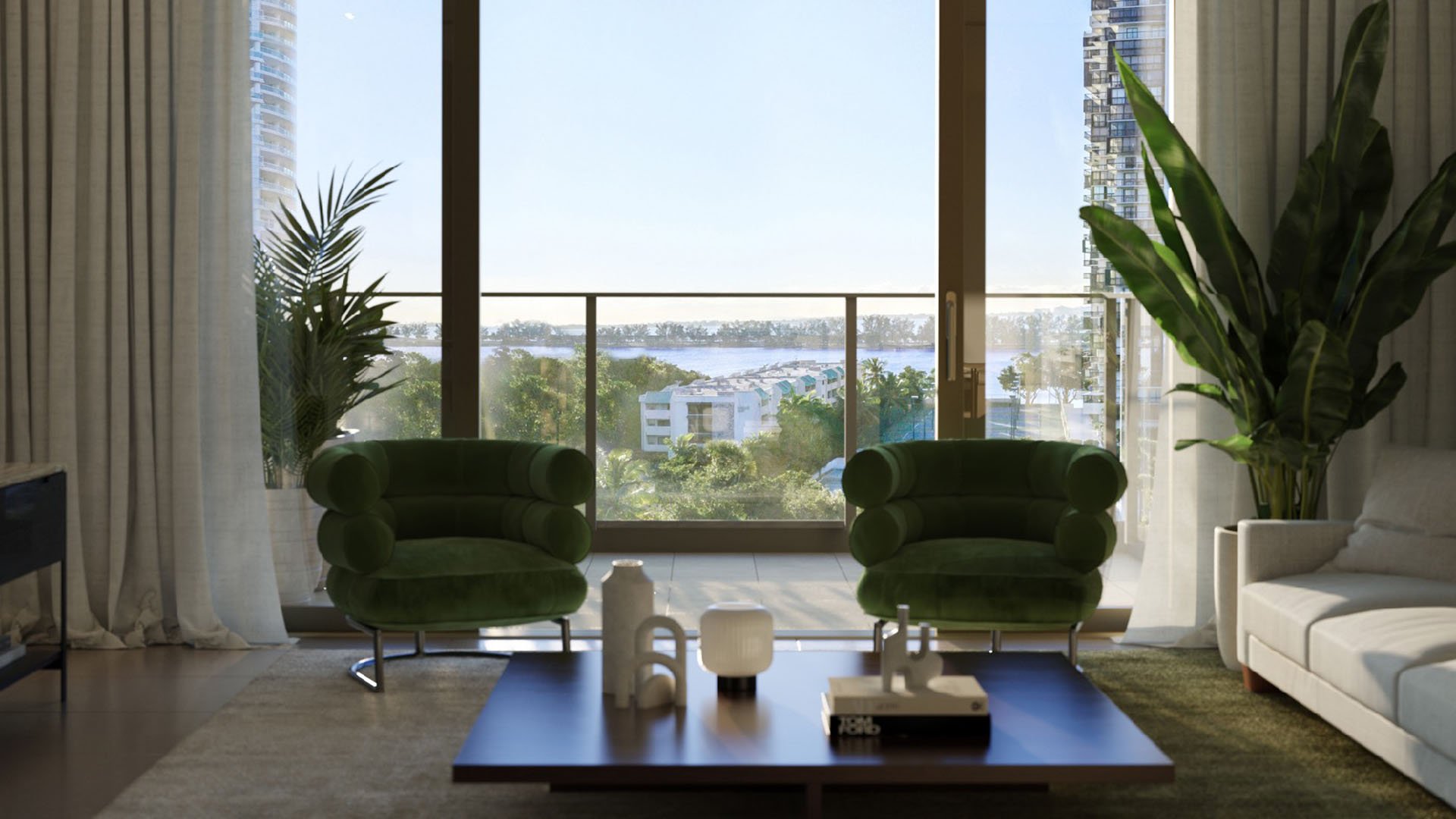
In South Florida, impact glass is often treated as an invisible amenity. A buyer enters a residence, sees the water, admires the light, steps toward the balcony, and assumes the glass is doing its job. A luxury buyer reads the same moment differently. The view is only the first impression. The glass is the performance envelope, the quiet barrier, the weather strategy, and a meaningful part of the home’s long-term desirability.
The most sophisticated buyers do not ask whether a home has impact glass as though it were a simple yes-or-no finish. They ask which system is installed, how it was documented, how it interacts with the building, and whether it suits the residence’s exposure. That distinction separates a tourist’s reaction from an owner’s judgment.
Impact glass is not just glass. It is a coordinated assembly of panes, frames, anchoring, seals, tracks, doors, and installation details. A residence can look pristine at first glance while still warranting closer attention at the edges, corners, thresholds, and operable panels.
Luxury buyers should ask for the paperwork behind the product. The relevant questions are practical: What product was installed? Were windows and doors replaced together or in phases? Are large sliding doors part of the same system as fixed panels? Were permits closed? Are approvals, warranties, and maintenance records available for review?
The answer should feel organized, not improvised. In high-end property, documentation is part of the finish. A beautiful wall of glass without a clear record can become a negotiation issue, a diligence issue, or simply an avoidable uncertainty.
A residence facing open water reads differently from one protected by neighboring buildings. Oceanfront exposure asks more from glass, doors, seals, and hardware than a sheltered urban elevation. Waterview homes with wide openings, corner glass, or large terraces deserve particular attention because their appeal is inseparable from the envelope that frames the view.
In Brickell, buyers may focus on skyline height, bay orientation, and the way glass manages light throughout the day. High-floor residences can feel serene, but they should still be evaluated for wind sound, door movement, and slider condition. In coastal settings, the conversation shifts toward salt air, maintenance habits, and how the openings perform after years of use.
A luxury reading is site-specific. The right question is not simply “Is it impact?” The better question is, “Is this the right system, in the right condition, for this exact exposure?”
Tourists look through glass. Buyers look around it. The frame often reveals more than the pane. Examine door alignment, track smoothness, gasket condition, handle feel, and the transition between interior flooring and exterior terrace.
A heavy sliding door should not feel like a burden. A lock should not require persuasion. Condensation, staining, corrosion, uneven gaps, or difficult operation may not be conclusive on their own, but they are signals to investigate. In a luxury residence, the daily experience of opening a terrace door matters. The best systems disappear into routine because they work quietly, consistently, and without ceremony.
This is especially important for homes designed around indoor-outdoor living. A balcony is not merely square footage beyond the glass. It is part of the residence’s social life. If the doors are awkward, noisy, or poorly maintained, the lifestyle promise is diminished.
Many buyers associate impact glass only with weather protection. A more refined reading includes sound. The hush of a well-composed residence can be as valuable as the view itself. Quiet changes how a room feels, how one sleeps, how art is experienced, and how comfortably guests move through the home.
During a showing, pause before speaking. Listen near fixed panels, doors, and corners. Notice traffic, wind, pool activity, elevator-adjacent noise, marina sounds, or the residence’s general acoustic character. If possible, experience the home at more than one time of day. A residence that feels calm in the morning may tell a different story during evening traffic or active waterfront use.
The point is not to demand silence. South Florida’s best addresses are alive with movement. The point is to understand whether the glass supports the level of retreat expected at the price point.
New-construction buyers sometimes assume newer means simpler. It can, but disciplined review still matters. Ask how the glass package was selected, where operable panels are located, how corner conditions are handled, and whether terrace doors align with the way you intend to live.
Model residences often present glass at its most flattering: clear weather, polished tracks, perfect lighting, and minimal wear. The buyer’s task is to imagine ownership. How often will doors be opened? Will furniture placement restrict access? Are the main living areas dependent on a single large opening? Does the primary suite feel insulated enough for rest?
The most elegant glass strategy balances drama and practicality. A wall of glass should not only photograph well. It should make the residence easier, quieter, and more pleasurable to inhabit.
Impact glass can influence how confidently a future buyer reads a property. Clean documentation, consistent systems, and visibly maintained openings help reduce friction. Unclear records, mismatched replacements, or poorly operating doors invite questions.
For resale-minded owners, the goal is not to turn glass into a technical lecture. The goal is to preserve trust. Keep records orderly. Maintain tracks and hardware. Address small issues before they become visible objections. When a future buyer steps into the residence, the glass should reinforce the sense that the home has been cared for at a high level.
This is where luxury discipline becomes quiet leverage. The best properties do not force buyers to wonder. They answer before being asked.
Arrive with intention. Look at the glass in daylight, then ask how the residence feels in stronger sun, wind, rain, and evening conditions. Open and close every major door you are allowed to test. Stand near the largest panels and listen. Look at corners, tracks, seals, and thresholds. Ask for documents before emotions take over.
If you are comparing several residences, keep notes in the same categories: documentation, exposure, operation, sound, maintenance, and view quality. This prevents the most photogenic property from overwhelming a better-performing one.
A luxury buyer does not need to become an engineer. The objective is to know when visible beauty is supported by invisible competence. Impact glass should make a South Florida residence feel secure, serene, and effortless. When it does, the view becomes more than a postcard. It becomes architecture you can trust.
Is impact glass the same in every luxury residence? No. Systems, installation quality, maintenance history, and exposure can vary significantly from one residence to another.
What should I ask for before making an offer? Request available permits, product information, warranties, and any maintenance or replacement records related to windows and doors.
Should I worry if some doors are harder to open than others? It is worth investigating. Difficulty may reflect normal adjustment needs, wear, track issues, or installation concerns.
Does impact glass improve quiet inside a home? It can contribute to a quieter interior experience, but sound comfort also depends on the full assembly, installation, and location.
Is oceanfront glass different from urban glass? The evaluation should be different because exposure, salt air, wind, and maintenance expectations are often more demanding near open water.
How should I evaluate glass in a high-rise residence? Pay attention to wind sound, door operation, seals, frame condition, and the way the residence feels at its actual elevation.
Can beautiful glass still be a diligence issue? Yes. A flawless view does not replace documentation, proper installation, or evidence that the system has been maintained.
Should I test every sliding door during a showing? If permitted, yes. Daily use depends on smooth operation, secure locking, and comfortable access to exterior living areas.
Does impact glass affect resale confidence? It can. Clear records and well-maintained openings help future buyers feel more comfortable with the property.
What is the best way to shortlist comparable options for touring? Start with location fit, delivery status, and daily lifestyle priorities, then compare stacks and elevations to validate views and privacy.
For a discreet conversation and a curated building-by-building shortlist, connect with MILLION.
If branded residences are on your mind — as a home or as an allocation — we would be glad to share what we are seeing, privately.
Begin a quiet conversation