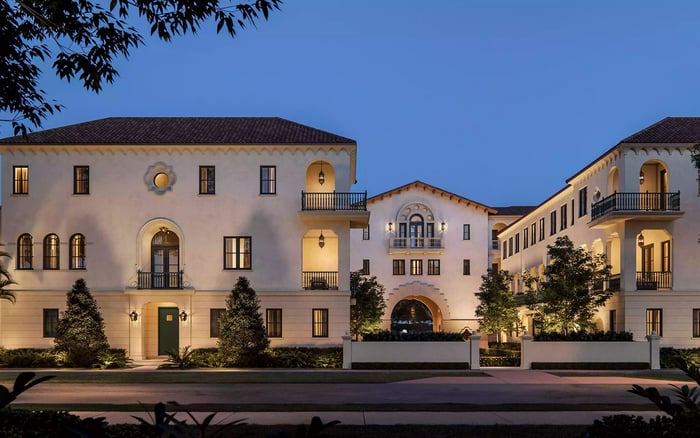
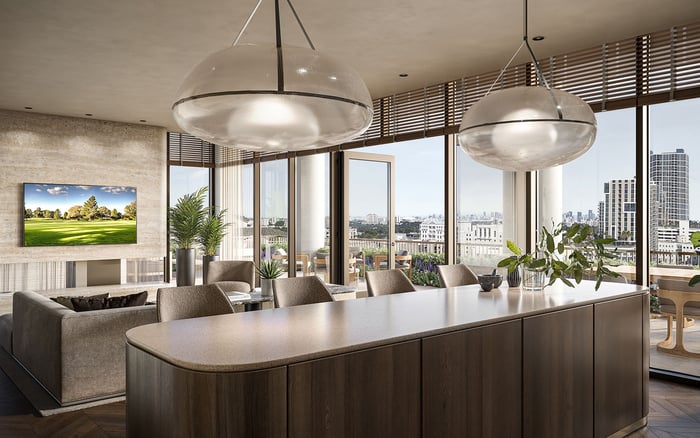
A discreet buyer’s guide to evaluating preconstruction condos in Coral Gables before the view becomes the whole story, with attention to plans, finish quality, ownership terms, and long-term livability.
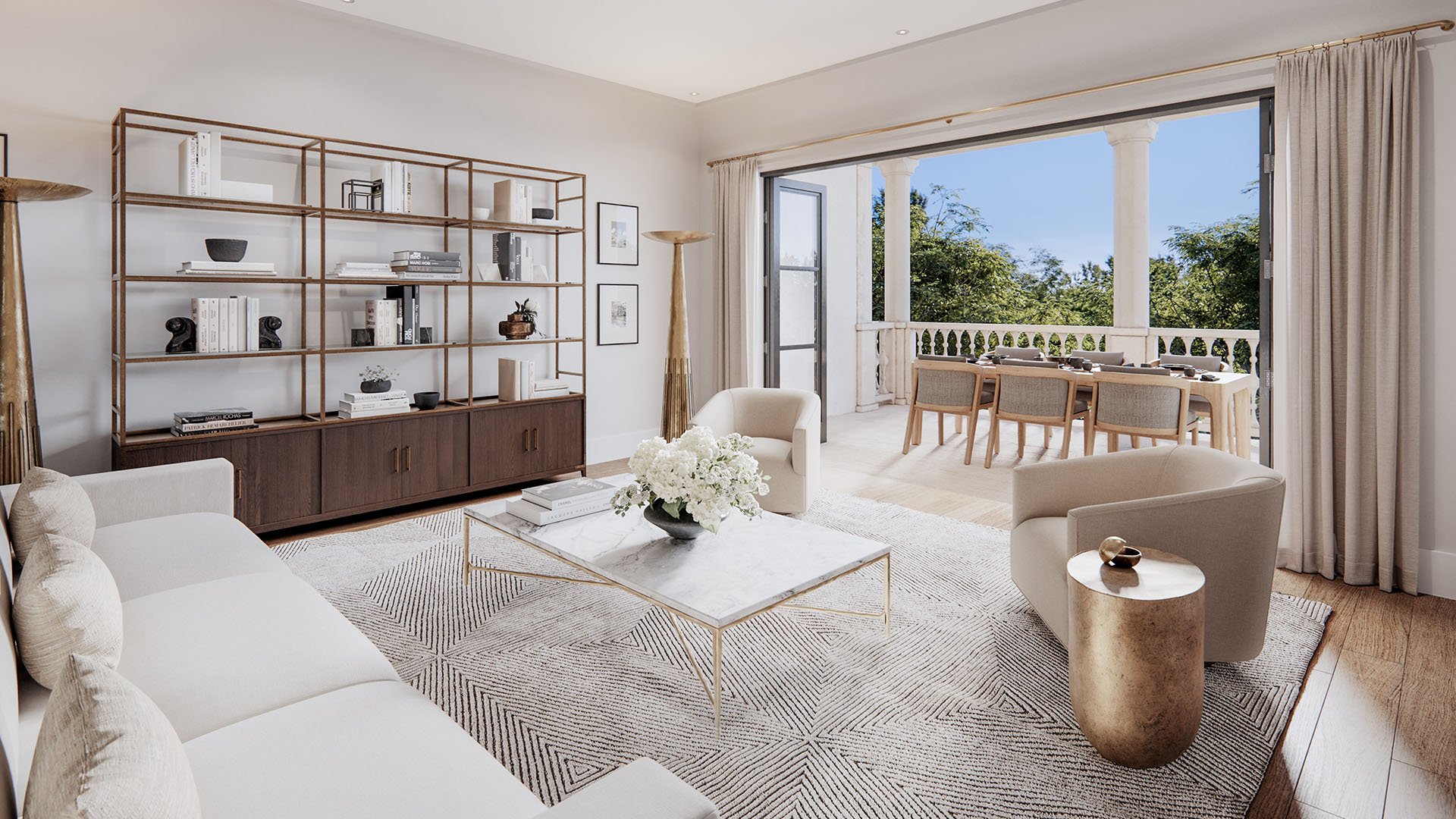
A view can be persuasive. In preconstruction, it is often the image that stays with a buyer: a terrace at golden hour, glass catching the sky, a dining room composed around an outlook. In Coral Gables, the seduction can be especially quiet. The appeal may be scale, greenery, privacy, proportion, or the rare feeling of being close to Miami without surrendering to its noise.
Yet a preconstruction condo should never be judged by the view alone. The better question is whether the residence will still feel intelligent on an overcast Tuesday, when the doors are closed, the air conditioning is running, and daily life depends on circulation, storage, acoustics, and service. Search labels such as Coral-gables, Waterview, Pre-construction, New-construction, New Project, and Boutique can organize the process, but they do not replace disciplined evaluation.
For buyers comparing Cora Merrick Park, Ponce Park Coral Gables, or another offering in the area, the first act is restraint. Before asking whether the view is beautiful, ask whether the home is usable.
The floor plan is the most honest document in a preconstruction purchase. Renderings can soften a column, elongate a room, and make a terrace feel effortless. A plan shows what must be lived with.
Begin with arrival. Does the entry create a moment of transition, or does it expose the living room immediately? Is there a natural place for art, keys, flowers, or a console? In a luxury residence, arrival is not only practical. It establishes the emotional temperature of the home.
Then study the kitchen. An open kitchen can be elegant, but only if the working zones are properly composed. Consider where groceries enter, where small appliances live, how guests gather, and whether the dining area feels like a destination rather than an afterthought. A beautiful island is less compelling if it obstructs circulation or becomes the only storage solution.
Bedrooms deserve equal scrutiny. A primary suite should offer privacy, quiet, and a logical progression from sleeping area to closet to bath. Secondary bedrooms should not feel like leftover space. If the plan depends on perfect furniture placement to function, that is a warning sign.
Finally, assess outdoor space without romance. A terrace is valuable when it is deep enough to furnish, protected enough to use, and connected to the right room. If it is visible from the living area but difficult to inhabit, it may serve the rendering more than the resident.
In preconstruction, a view is partly present and partly imagined. Buyers should distinguish between what is shown, what is contractually described, and what is inherently uncertain. No prudent buyer should assume an outlook is permanent simply because it appears compelling in marketing.
Ask what level, exposure, and orientation are being purchased. A higher floor is not automatically better if it sacrifices proportion, shade, or connection to the neighborhood. A lower residence may feel more private if it frames greenery or architectural detail. The essential test is not height. It is whether the outlook supports the way you want to live.
Also consider light. Morning light, afternoon intensity, reflected glare, and privacy all affect comfort. A dramatic western exposure can be magnificent at one hour and demanding at another. A quieter orientation may be easier to furnish and more pleasant throughout the day.
When reviewing a residence such as The Village at Coral Gables, the buyer’s lens should move from view to total composition: how the windows meet the rooms, how the terrace relates to the plan, and whether the interior would remain desirable even if the outlook changed.
Luxury vocabulary can be imprecise. Words such as bespoke, curated, European, wellness, and resort style may signal intent, but they do not define quality. A serious buyer should ask for the specification package and read it closely.
Look at flooring, appliances, cabinetry, plumbing fixtures, lighting allowances, ceiling heights, closet delivery, smart home infrastructure, window systems, and terrace finishes. Clarify what is included, what is an upgrade, and what is merely representative. If a sales presentation shows one level of finish but the contract allows another, the contract governs the experience.
Pay particular attention to substitutions. Preconstruction contracts often allow flexibility when materials, brands, or components become unavailable. That does not make the purchase unattractive, but it does make careful review essential. The buyer should understand how comparable substitutions are defined and who decides what is acceptable.
A refined residence is built through hundreds of small decisions. Hardware weight, door swing, lighting temperature, elevator arrival, trash handling, package management, and parking flow are not secondary. They mark the difference between a photogenic condo and a graceful home.
The private residence is only one part of the purchase. A condominium is also a shared operating system. Its quality depends on governance, staffing, maintenance, amenity programming, rules, budgets, and the culture of ownership.
Before committing, review the condominium documents with counsel. Understand use restrictions, leasing rules, pet policies, alteration procedures, insurance responsibilities, reserve planning, and the developer’s rights before turnover. A beautiful lobby cannot compensate for a governing structure that does not match your intended use.
Amenities should be evaluated for relevance, not abundance. A quiet library, a well-planned fitness room, or a discreet pool deck may be more valuable than a long list of spaces that will rarely be used. Ask how amenities are accessed, how they are reserved, where guests circulate, and whether private residential life remains protected.
Service is equally important. Luxury buyers often focus on finishes, but staffing and operations determine the daily tone of the building. The best buildings feel calm because logistics have been resolved before the resident notices them.
A Coral Gables buyer may also look at Coconut Grove, Brickell, Miami Beach, or waterfront enclaves to understand relative value, design language, and amenity expectations. The point is not to be distracted by other markets. It is to sharpen your criteria.
For example, comparing a Gables residence with Four Seasons Residences Coconut Grove can help clarify how much you value hospitality, bay proximity, brand association, or neighborhood texture. The exercise is useful only if it returns you to the original question: which home best supports your daily life, privacy, and long-term ownership goals?
Do not let a more dramatic skyline or a more famous address distort the decision. Coral Gables often appeals to buyers seeking a polished residential rhythm. If that is the brief, the winner is not necessarily the tallest, flashiest, or most amenitized project. It is the one where plan, finish, service, and setting align.
Preconstruction requires patience and tolerance for uncertainty. Timelines can move, materials can evolve, and a buyer is committing before the finished residence can be walked in final form. That is why risk should be priced emotionally as well as financially.
Ask whether the deposit structure is comfortable, whether closing obligations are clear, and whether your liquidity remains flexible. Consider the opportunity cost of waiting for delivery versus buying completed inventory. Review what happens if your personal circumstances change before closing.
Also think about resale. The most resilient residences tend to be easy to understand: strong plan, sensible bedroom count, good light, credible finishes, practical parking, and a setting that feels natural to the buyer pool. A spectacular view can help, but it rarely rescues a compromised layout.
The discipline is simple. If you would not want the unit without the view, pause. If you would still admire the plan, the proportions, and the building culture even with a quieter outlook, the view becomes a bonus rather than a crutch.
Should I prioritize the highest floor in a Coral Gables preconstruction condo? Not automatically. The better choice is the floor that balances light, privacy, layout, terrace usability, and price.
How do I know whether a view is reliable? Ask what is actually described in the contract and have counsel review the documents. Do not rely solely on renderings or verbal assurances.
What is the most important document to review first? The floor plan is the starting point because it reveals circulation, room proportions, storage logic, and outdoor usability.
Are amenities more important than the private residence? Amenities matter, but they should support your lifestyle rather than compensate for a weak plan. The residence itself must work first.
What should I ask about finishes? Ask what is included, what is optional, what may be substituted, and how comparable replacement materials are defined.
Is a branded or highly designed project always safer? Not necessarily. Brand and design can add confidence, but contract terms, execution quality, and livability still require review.
How should I think about terrace space? Treat it as a room. It should be deep enough to furnish, logically connected to the interior, and comfortable for regular use.
Can I compare Coral Gables with nearby neighborhoods? Yes, if the comparison clarifies your priorities. Use other neighborhoods to test value, not to abandon your original lifestyle brief.
What is the biggest mistake buyers make before signing? They fall in love with a rendering before understanding the legal documents, specifications, budget, and daily functionality.
When should I involve an advisor or attorney? Before signing anything. Preconstruction decisions are easiest to refine before deposits, deadlines, and contract obligations begin.
When you're ready to tour or underwrite the options, connect with MILLION.
If branded residences are on your mind — as a home or as an allocation — we would be glad to share what we are seeing, privately.
Begin a quiet conversation