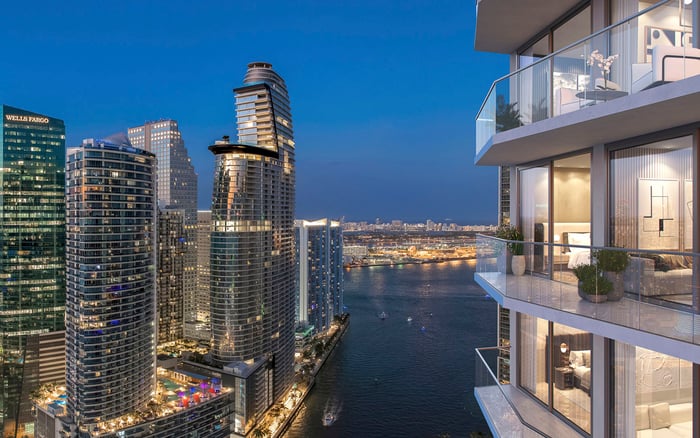
A practical guide for South Florida luxury buyers assessing humidity automation as part of smart-home due diligence, long-term asset care, and resale positioning.
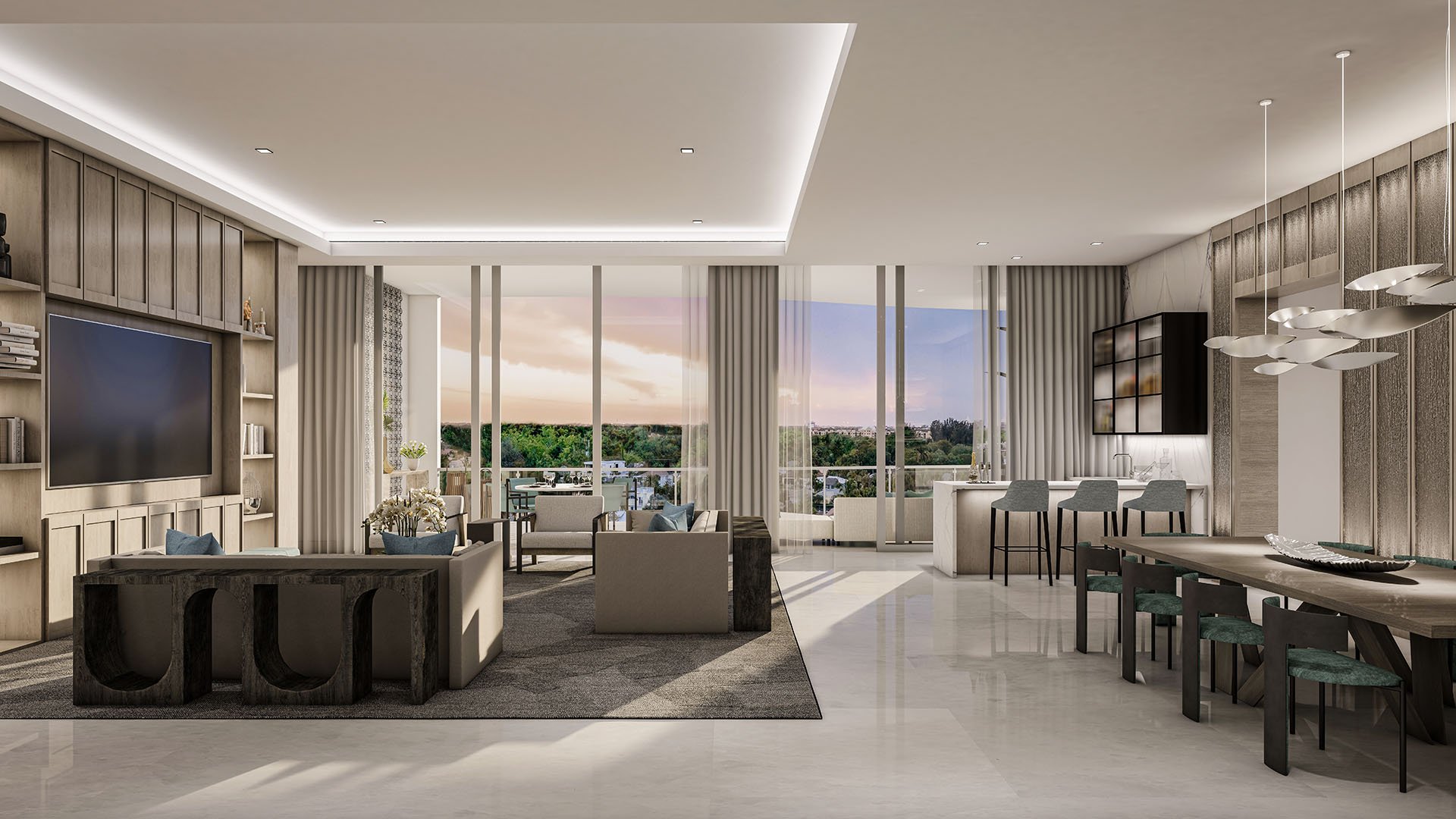
In South Florida luxury real estate, comfort is often framed through views, finishes, service, and privacy. Yet one of the most consequential systems in a residence may be nearly invisible: humidity automation. For a primary home, it shapes daily ease. For a second home, it becomes a form of remote stewardship. For a future seller, it can help present a residence as carefully maintained, not simply beautifully decorated.
The right question is not whether a property has smart climate controls. The sharper question is whether humidity is monitored, managed, and documented in a way that supports how the owner actually lives. A seasonal owner in Brickell may need reliable remote alerts and access control. An oceanfront buyer may focus on consistency across glass, terraces, closets, and mechanical spaces. A family considering new-construction may want automation planned into the home rather than layered on after closing.
The lens is practical: resale, investment, new-construction, balcony details, Brickell living, and oceanfront exposure all change what a buyer should ask before assigning value to a system.
Humidity automation should be evaluated around occupancy. A full-time resident may prize silent operation, intuitive controls, and room-by-room comfort. A buyer who travels frequently needs a system that can be monitored without requiring staff to enter the residence unnecessarily. A pied-à-terre owner may want thresholds, alerts, and a clear escalation plan when readings move outside a preferred range.
The best systems feel simple at the owner level and sophisticated behind the scenes. A clean interface, clear alert language, and limited false alarms matter as much as technical capability. If the system is too complicated, it may be ignored. If it is too basic, it may fail to provide useful insight when the home is closed, unoccupied, or being shown for sale.
Ask who receives alerts, which conditions trigger them, and what happens next. A notification without an action plan is only noise. In a staffed residence, determine whether the property manager, house manager, or building team has appropriate visibility. In a private household, confirm that permissions can be limited so vendors see only what they need.
Humidity automation can support security by reducing the need for unnecessary physical entry. When a home can be checked remotely, owners may avoid giving broad access to multiple parties for routine reassurance. Still, automation should not become an open door into the residence’s digital infrastructure.
Review how the system handles user roles. Ideally, the owner can distinguish between family access, property management access, vendor access, and temporary troubleshooting access. Passwords, app permissions, and device ownership should be part of the closing conversation, especially when a system is included in a sale.
Logs can also be valuable. A system that records alerts, responses, and adjustments may help an owner understand patterns over time. It may also help a seller show that the property has been actively monitored, not simply left to chance. The goal is not to overwhelm a buyer with data. The goal is to demonstrate that the home’s invisible environment has been treated with the same care as its visible surfaces.
For high-value residences, ask whether humidity controls are connected to broader smart-home platforms, security systems, leak detection, or HVAC equipment. Integration can be elegant, but it can also create dependency. If one platform fails, the owner should understand what continues to operate manually.
Convenience is often where smart-home features are oversold. A humidity automation system deserves credit only if it makes ownership easier. It should reduce guesswork, not add another layer of management.
Look for intuitive scenes and schedules that reflect real use. A residence may need one setting when fully occupied, another when closed for travel, and another during an extended showing period. Closets, wine storage, art areas, laundry rooms, and spa-like baths may each have different sensitivities. The system does not need to be theatrical. It needs to be legible.
Buyers should also ask how the system behaves when the internet is down, when power is interrupted, or when a sensor needs replacement. A luxury residence should not depend on a single app to remain comfortable. Manual overrides, visible controls, and clear service pathways protect convenience from becoming fragility.
Do not overlook the human interface. If a housekeeper, property manager, or family member cannot understand the alert, the system may fail in practice. Plain-language notifications, practical thresholds, and a defined response protocol are part of the luxury experience.
During due diligence, treat humidity automation as part of the mechanical and smart-home review. Ask what equipment is installed, what it controls, where sensors are placed, and who services it. Confirm whether the system is dedicated to humidity management or simply a climate-control feature within a broader thermostat environment.
Sensor placement matters. A beautiful interface is less persuasive if sensors are not located where risk or comfort issues are most relevant. Ask whether readings reflect living areas only or also include closets, secondary bedrooms, storage areas, mechanical spaces, or zones near expansive glass. For residences with a balcony or large terrace connection, consider how indoor-outdoor transitions are managed in daily life.
Also clarify ownership. Are devices, hubs, subscriptions, and software licenses included in the sale? Can the buyer assume the account cleanly? Will prior users be removed at closing? These details are not glamorous, but they are central to secure and convenient ownership.
Serviceability is equally important. A system that requires rare parts, obscure technicians, or unclear support may not enhance value. Buyers should favor arrangements that a qualified local service professional can understand, maintain, and document.
Humidity automation does not replace location, architecture, views, or quality of construction. It can, however, support confidence. In the luxury resale market, buyers respond to homes that feel cared for at every level. Environmental monitoring can become part of that story when it is organized and easy to explain.
The strongest resale position comes from systems that are transferable, documented, and unobtrusive. A future buyer should be able to understand what the system does in a few minutes. A listing should not need to lean on jargon. The message is simple: this residence has been managed with attention to comfort, preservation, and ease of ownership.
For investment-minded buyers, the question is not whether automation creates a dramatic premium on its own. The better question is whether it reduces uncertainty. A home with a clear maintenance record, sensible controls, and evidence of attentive stewardship may face fewer objections during negotiation.
Sellers should prepare a concise smart-home summary before going to market. Include system names, service contacts, transferable components, access reset steps, and any routine maintenance practices. Avoid overclaiming. Present humidity automation as part of the residence’s quality infrastructure, alongside mechanical systems, appliances, lighting, shading, and security.
A polished control panel is not enough. Ask direct, practical questions. What does the system measure? What does it control? What happens when readings exceed preferred levels? Who is notified? Can alerts be paused during service? Are logs accessible? Can guest or vendor access be limited? What remains functional if the network is unavailable?
Then ask for a demonstration. Have the seller or representative show the app, the wall controls, the alert settings, and the process for changing users. If the explanation is vague, build time into due diligence for a specialist review. A luxury residence deserves systems that are elegant in operation, not merely impressive in presentation.
Finally, consider whether the system matches the property. A compact urban residence may need simplicity and reliability. A large waterfront estate may require more zoning, more sensors, and stronger management protocols. The best humidity automation is scaled to the home, the owner, and the expectations of the next buyer.
Is humidity automation the same as air conditioning? No. Air conditioning may affect humidity, but automation focuses on monitoring, alerts, controls, and owner visibility.
Should buyers ask about humidity automation during due diligence? Yes. It belongs in the review of mechanical systems, smart-home infrastructure, access control, and maintenance history.
Does humidity automation matter more for second homes? It can be especially useful for owners who travel because alerts and remote visibility may reduce uncertainty when the residence is unoccupied.
What is the most important security question? Ask who has access to the system and whether permissions can be reset, limited, and transferred cleanly at closing.
Can humidity automation help with resale? It may support buyer confidence when the system is documented, serviceable, and easy to explain without technical clutter.
Should a buyer prefer integrated smart-home controls? Integration can be convenient, but buyers should confirm manual overrides and understand what happens if one platform fails.
Where should sensors be considered? Buyers should ask about living areas, closets, storage areas, mechanical spaces, and zones affected by indoor-outdoor use.
What documents should a seller prepare? A concise summary of equipment, service contacts, account transfer steps, and routine maintenance practices is useful.
Is a subscription-based system a problem? Not necessarily, but buyers should know the cost, transfer process, account owner, and what functions depend on the subscription.
What is the simplest way to evaluate quality? Ask for a live demonstration, review alert settings, confirm serviceability, and make sure the system fits the home’s actual use.
When you're ready to tour or underwrite the options, connect with MILLION.
If branded residences are on your mind — as a home or as an allocation — we would be glad to share what we are seeing, privately.
Begin a quiet conversation