A refined framework for comparing South Florida lifestyle districts when one thrives after dark and another excels in everyday, pedestrian-friendly living.
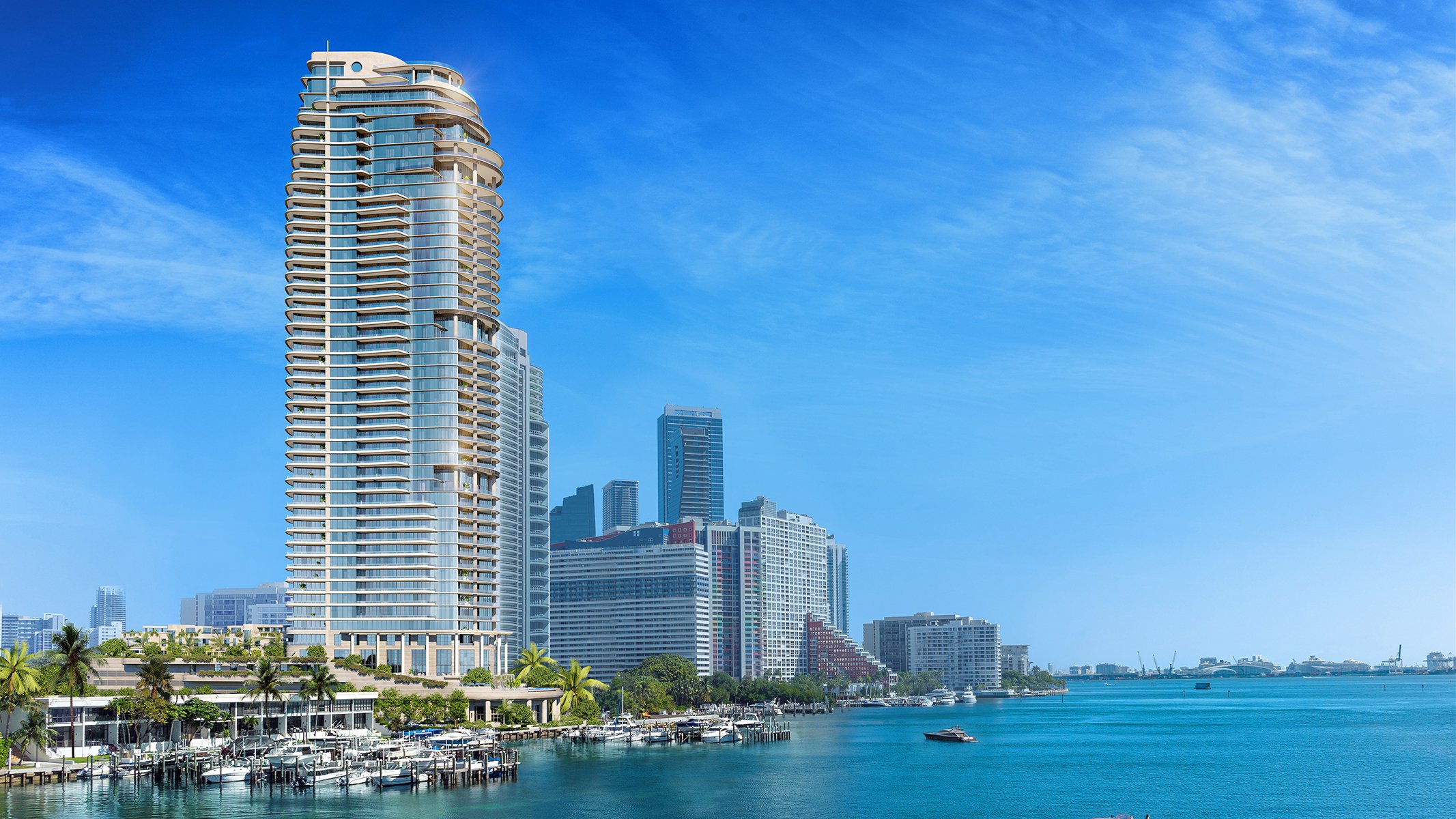
In luxury real estate, buyers often say they want walkability when they really mean one of two very different things. The first is evening vitality: restaurants that stay busy late, a social scene that extends beyond dinner, and a neighborhood identity shaped by movement after dark. The second is daytime ease: coffee, grooming, fitness, parks, services, and routine errands handled elegantly on foot.
These are not interchangeable benefits. A district built around nightlife should be compared for late-evening access, entertainment intensity, visitor flow, and the practical effects of that energy on daily life. A daytime-walkable district should be judged more by whether ordinary routines feel seamless without reliance on a car. That distinction sounds obvious, but it is where many high-end searches lose precision.
For a buyer considering Brickell, residences such as 888 Brickell by Dolce & Gabbana or The Residences at 1428 Brickell may sit within a district that delivers cosmopolitan intensity. That can be compelling, but it should not be mistaken for the quieter, more routine pedestrian comfort found in places where daily needs, not evening destination traffic, shape the streetscape.
Daytime walkability is best understood as functional convenience. Can you step outside and reach the places that structure real life: a market, a pharmacy, a café, wellness services, a shaded public space, perhaps a school or office? A district that performs well here tends to support long-term livability because it is useful on ordinary Tuesdays, not only on celebratory Saturdays.
This is why a daytime-walkable district is often easier to evaluate through the lens of owner experience. The public realm matters. Streetscape matters. Mixed-use compatibility matters. Planning stability matters. In South Florida, Coral Gables is an instructive case because its urban form is shaped more by land-use structure and neighborhood composition than by a concentration of late-night entertainment. A buyer looking at Ponce Park Coral Gables and The Village at Coral Gables is often evaluating not only architecture, but the durability of a district built around everyday elegance.
The same logic applies in carefully curated coastal and downtown settings where the appeal lies in the public realm and daytime amenity access rather than club density. For many households, that translates into steadier routines, less dependence on event traffic, and a neighborhood character that remains legible throughout the week.
Nightlife can be an asset, but it is never a free one. Districts organized around entertainment warrant a more layered review because ambiance alone tells only part of the story. A nightlife-heavy address should be compared not only for glamour and energy, but also for the practical risks that can come with concentrated evening activity.
Noise is the clearest example. Near active entertainment corridors, quality of life can shift quickly depending on exposure, tower orientation, building operations, and local conditions. The difference between a residence facing the pulse of a district and one buffered from it can materially affect comfort, guest experience, and future buyer appeal.
Transient-use exposure also matters. In South Florida, districts with strong nightlife often attract more investor attention and more interest tied to short-term occupancy patterns. That can influence building culture, concierge load, security posture, and the consistency of owner occupancy. Buyers who prize serenity should review these conditions carefully rather than assume every luxury tower offers the same residential cadence.
In areas with a stronger social identity, projects such as ORA by Casa Tua Brickell may appeal to purchasers who want immediate access to a high-energy lifestyle. The key is to decide whether that energy is your amenity or your externality.
The most useful comparison is not binary. Instead of asking which district is better, score each neighborhood across six categories.
First, assess nightlife intensity. How active is the district after dinner, and does that activity feel curated or constant?
Second, assess daytime errand accessibility. Can common routines be completed on foot, or does the district function mainly as a destination rather than a neighborhood?
Third, assess regulatory risk. Entertainment-oriented districts can be more sensitive to local policy, enforcement changes, and resident complaints that may affect the lived experience.
Fourth, assess noise exposure. This should be done at the micro-location level, not simply the district level. One side of a neighborhood can trade very differently from another because the sensory experience is different.
Fifth, assess financing profile and buyer mix. Districts that skew toward primary residences may align more naturally with owner-occupied demand, while nightlife-heavy areas can attract a more investor-oriented audience. That distinction can matter if financing flexibility or future liquidity is central to the purchase.
Sixth, assess resale stability. A lively district may draw strong attention, yet attention is not the same as steady long-term value behavior. The central question is whether demand is broad-based residential demand or demand concentrated around tourism and entertainment appeal.
Luxury buyers do not purchase a district in the abstract. They purchase a block, a frontage, a view line, a circulation pattern, and a set of daily frictions or advantages. Two buildings in the same branded neighborhood can live entirely differently.
Parking and traffic illustrate this well. Nightlife districts often depend more heavily on evening visitor access, valet activity, and ride-share circulation. Daytime-walkable districts tend to show their strength by making the car less necessary in the first place. If your household values effortless morning movement more than midnight spontaneity, a district that appears quieter on paper may prove far more luxurious in practice.
This is one reason Coconut Grove and similar enclaves continue to resonate with buyers who value a pedestrian routine anchored in residential character. A project such as The Well Coconut Grove reads differently from a tower in a nightlife-forward corridor because the surrounding rhythm of life is different, even before one enters the lobby.
Marketing language often reveals a district’s true identity. Neighborhoods sold on vibrancy, energy, and scene signal one set of expectations. Neighborhoods sold on convenience, neighborhood feel, and day-to-day livability signal another. Neither is inherently superior, but each points to a different risk-and-reward profile.
For buyers and family offices alike, the sharper question is whether a district’s popularity is sustained by durable residential use or by a narrower entertainment halo. Stable appreciation is more likely when a neighborhood remains useful in multiple market moods, not only when it is fashionable. Seasonal swings, investor concentration, and transient demand can all create a more variable resale environment.
This is where discipline matters. Compare not only current excitement, but the consistency of end-user demand, the predictability of local conditions, and the ease with which the neighborhood supports ordinary life. In a luxury market, the most sophisticated purchase is often the one that remains convincing when stripped of novelty.
If one district favors nightlife and another favors daytime walkability, begin by deciding which version of luxury you mean. If luxury means immediate access to a social scene, late dining, and visible energy, the nightlife district may be the right expression of value, provided you are comfortable with noise and a potentially more investor-shaped environment.
If luxury means discretion, routine ease, and a neighborhood that performs beautifully before noon as well as after sunset, the daytime-walkable district will often offer greater long-term clarity. In many cases, it may also support steadier owner occupancy and a more predictable resale narrative.
The essential mistake is to treat all walkability as one category. In South Florida, the most intelligent comparisons separate the theater of the night from the usefulness of the day, then judge each district on its own terms.
Is a nightlife district automatically more valuable than a daytime-walkable district? No. It may command attention, but long-term value depends on buyer mix, livability, and the durability of the district’s appeal.
What is the first thing to compare between the two? Compare the timing of activity. One district may be exceptional after dark, while the other is stronger for daily routines on foot.
Does walkability always mean a better primary residence? Not always, but districts built around daily errands and services often align more naturally with full-time living.
Why does zoning and local oversight matter more in nightlife areas? Because entertainment-heavy zones can be more exposed to permitting, enforcement, and resident concerns that affect quality of life.
How important is noise in a luxury purchase? Very important. In nightlife corridors, noise can influence comfort, guest experience, and eventual buyer appeal.
Should I worry about short-term rental activity in these districts? It is worth evaluating, especially where nightlife drives transient demand. It can shape building operations, buyer mix, and overall residential character.
Are Coral Gables and Brickell comparable at all? Yes, but only if you compare them by function rather than image: routine livability versus late-night intensity.
Do parking and traffic matter differently by district type? They do. Nightlife districts depend more on evening access, while daytime-walkable areas gain value from reducing car reliance.
Is resale usually steadier in daytime-focused districts? It can be, particularly where demand is anchored by owner occupancy and everyday usefulness.
How should a buyer make the final decision? Choose the district that matches your lived schedule, tolerance for activity, and preferred type of long-term demand.
To compare the best-fit options with clarity, connect with MILLION.
If branded residences are on your mind — as a home or as an allocation — we would be glad to share what we are seeing, privately.
Begin a quiet conversation