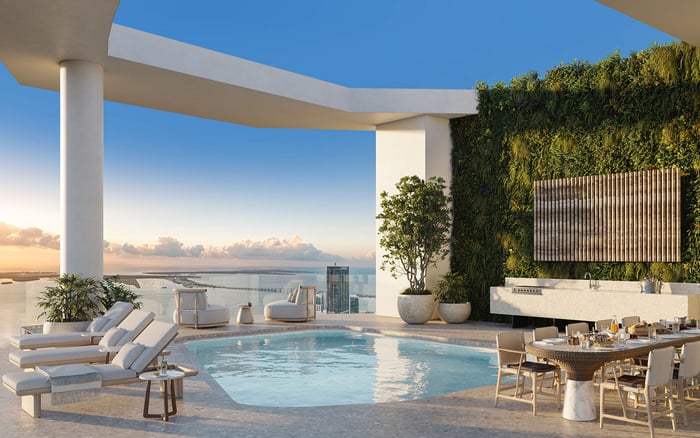
Private dining is valuable only when the owner can reserve it on workable terms. Before closing, examine the legal right, operating rules, catering controls, complete cost structure, peak-season priority, and municipal requirements behind every advertised entertaining amenity.
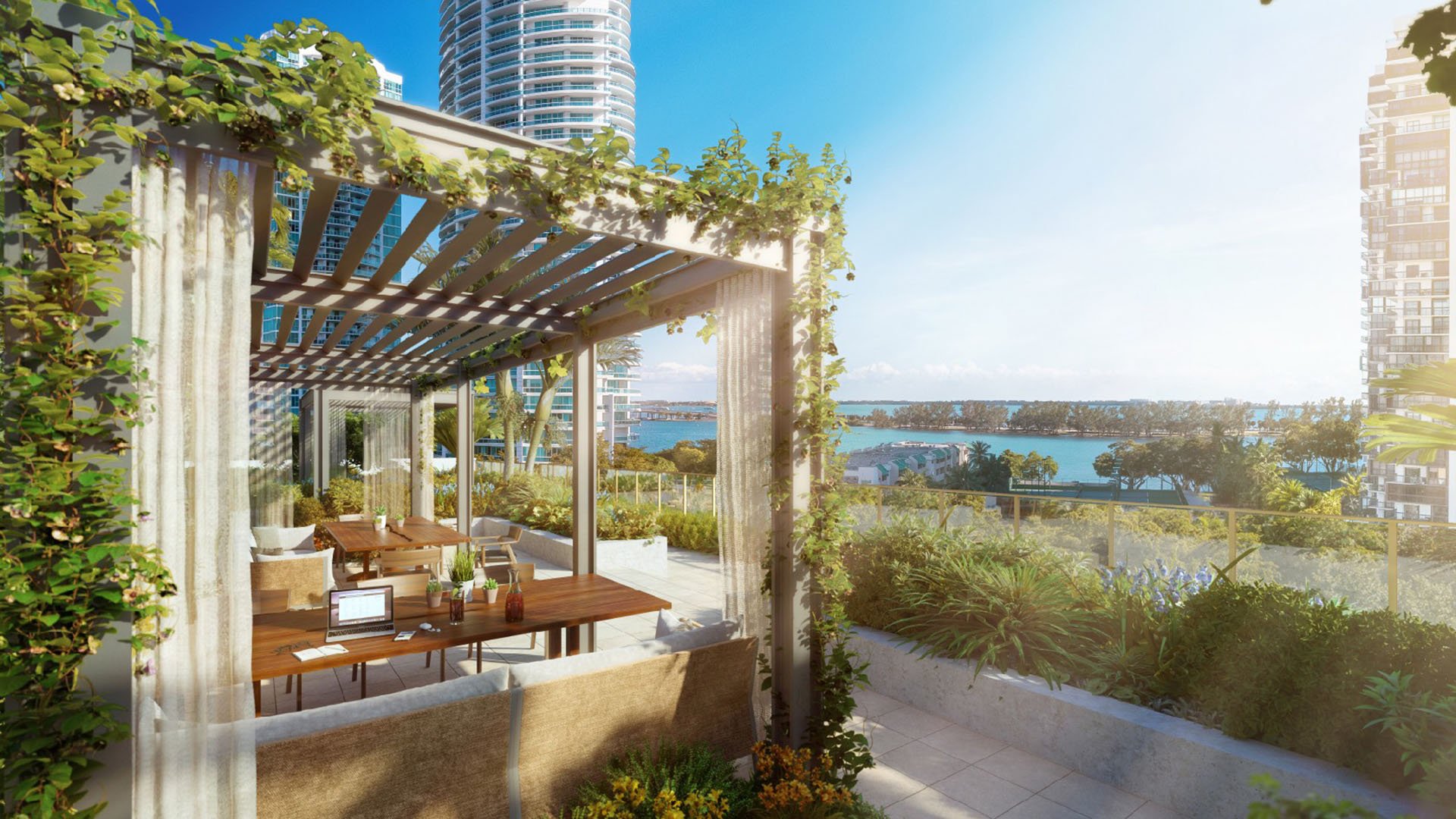
For a seasonal buyer in Downtown Miami, a private dining room can appear to be an elegant extension of the residence. Yet the relevant question is not whether the room appears in a brochure. It is whether an owner can reserve it on the desired evening, engage the preferred culinary team, accommodate the intended number of guests, and understand the complete cost before issuing invitations.
This distinction matters across branded residences. A building may offer in-home dining, poolside service, a restaurant, a catering kitchen, and an event salon, yet each may operate under a different controller and rulebook. A polished lifestyle proposition therefore demands a documentary audit, especially for a second-home owner whose entertaining calendar may be concentrated within a few winter weeks.
The amenity is valuable only when the owner can use it on workable terms.
The governing documents and operating rules should establish how owners and invited guests may use common areas and recreational facilities. Those documents may also impose reservation procedures, capacity limits, vendor requirements, fees, and other conditions that affect a particular event.
Before closing, request the declaration, bylaws, current rules, reservation policy, fee schedule, vendor requirements, insurance standards, and any hotel, club, restaurant, or shared-use agreement affecting the venue. Ask counsel to identify which document controls if sales materials, house rules, and management representations differ.
The ownership and control of each space should be explicit. Determine whether it is a condominium common element, an association-leased facility, a hotel venue, a privately operated restaurant, or a developer-controlled amenity. In a hotel-residence structure, the practical question is whether a resident books through hotel management, the association, or both. The answer can affect priority, pricing, staffing, and cancellation rights.
Amenities that sound similar can deliver materially different utility. Waldorf Astoria Residences Downtown Miami presents an Owners Lounge for private functions with an adjacent catering kitchen, along with pantry space for catering and coffee service. The audit should establish what the kitchen supports, which vendors may enter it, and whether the lounge becomes exclusive during a reservation.
In Brickell, Cipriani Residences Brickell presents reservable private dining rooms, resident-exclusive in-home dining, catering, and poolside service. A buyer should test each element separately. In-home dining does not necessarily confer access to a shared room, while poolside service may carry distinct hours, menus, minimums, and guest rules.
Villa Miami presents a building-wide food-and-beverage program, an on-site restaurant with private dining rooms, poolside service, and preferred reservations across affiliated restaurants. Here, “preferred” should be translated into a written booking mechanism: how far in advance an owner may reserve, whether preference applies during holidays, and whether it covers a table, a private room, or both.
At 888 Brickell by Dolce & Gabbana, the presented program includes an event space with a private terrace, demonstration kitchen, private dining area, event theater, and wine cellar. Until binding documents define resident rights, those details should be treated as program elements rather than guaranteed operating terms.
Peak-season utility is best tested through specific scenarios. Ask management in writing whether an owner could reserve the desired venue for Thanksgiving dinner, a December reception, New Year's week, a major cultural weekend, or a Saturday in February. A general assurance that residents receive priority is insufficient.
The response should cover:
The opening date and length of the advance-booking window
Holiday and event-week blackout dates
First-come, lottery, rotating, or owner-priority procedures
Annual or monthly reservation caps
Maximum event duration and required end time
Guest limits and rules for unaccompanied visitors
Management's ability to relocate or preempt a resident booking
Cancellation deadlines and refund treatment
Possible operating structures illustrate why this detail matters. A common-area reservation may require a security deposit and make the sponsoring owner responsible for damage. A clubhouse application may also be due well before the event. These are questions to verify in the current property documents rather than assumptions about any prospective residence.
Request a sample event estimate for two realistic formats, such as a seated dinner and a cocktail reception. It should itemize room rental, food-and-beverage minimums, deposit, staffing, security, valet, cleaning, furniture movement, audiovisual support, corkage, kitchen use, service charges, taxes, overtime, and cancellation penalties.
A minimum can matter more than a nominal rental fee. The buyer should determine whether the required minimum changes with the date, time, room, or guest count and whether peak dates carry different terms.
Also examine the association budget and applicable project records for amenity-related charges. Identify which payments go to the association, developer, hotel, club, restaurant, or another operator so the recurring and event-specific costs are not confused.
Permission to use an outside caterer should never be assumed. Confirm whether the culinary provider must come from an approved panel, maintain specified insurance, sign an indemnity, use designated loading areas and elevators, and comply with kitchen limitations. Establish where food may be prepared, staged, refrigerated, plated, and removed, as well as who handles waste and post-event cleaning.
Shared event-space access and meal delivery to a private residence are distinct services. Buyers should obtain separate written answers for each and determine whether different operators, menus, charges, booking windows, or cancellation terms apply.
Building approval may not be the final authorization. Depending on the event's location, scale, format, temporary installations, entertainment, food preparation, or other regulated activity, municipal review or permits may apply. Buyers should ask management and counsel which requirements affect the event they actually intend to host.
For a larger gathering, request the venue's approved capacity and any applicable occupancy documentation rather than relying on a marketing floor plan. Also confirm who is responsible for permits, event timing, sound controls, catering staging, temporary equipment, and compliance with building and municipal requirements.
Before the end of due diligence, consolidate the answers into a written matrix for every relevant space: controller, eligible users, capacity, booking window, peak blackout dates, reservation caps, approved caterers, outside-vendor rules, mandatory staffing, deposits, minimums, insurance, cancellation, and permitting responsibility.
Request the current forms and a sample confirmation, then ask whether rules or fees are expected to change before occupancy. If entertaining capability is central to the purchase, counsel can determine whether and how that understanding should be reflected in binding documents. The objective is not merely an impressive room, but predictable access when the owner is actually in residence.
For a discreet review of Downtown Miami and Brickell residences aligned with your entertaining priorities, connect with MILLION.
If branded residences are on your mind — as a home or as an allocation — we would be glad to share what we are seeing, privately.
Begin a quiet conversationNo. Access may remain subject to governing documents, booking procedures, blackout dates, capacity, and management controls.
Request the declaration, bylaws, current rules, reservation policy, fee schedule, vendor requirements, insurance standards, and any hotel, club, restaurant, or shared-use agreements.
Control can determine whether reservations run through hotel management, the condominium association, or both. That structure may affect priority, pricing, staffing, and cancellations.
No. Residence-level meal service and the right to reserve a common or hotel-controlled venue are separate benefits.
Confirm booking windows, holiday blackouts, priority systems, reservation caps, guest limits, event duration, cancellation rules, and management preemption rights.
Possible charges include food-and-beverage minimums, deposits, staffing, security, valet, cleaning, kitchen use, service charges, overtime, taxes, and cancellation penalties.
Only if the controlling rules permit it. The vendor may also need approval, insurance, indemnity, and compliance with loading, elevator, kitchen, and waste procedures.
Review may be necessary when an event involves regulated activities, temporary installations, entertainment, food preparation, or other features covered by local requirements.
Ask for the venue's approved capacity and any applicable occupancy documentation rather than relying on a marketing floor plan.
Create a venue-by-venue matrix covering control, capacity, booking, blackouts, catering, costs, insurance, cancellation, and permitting responsibility.