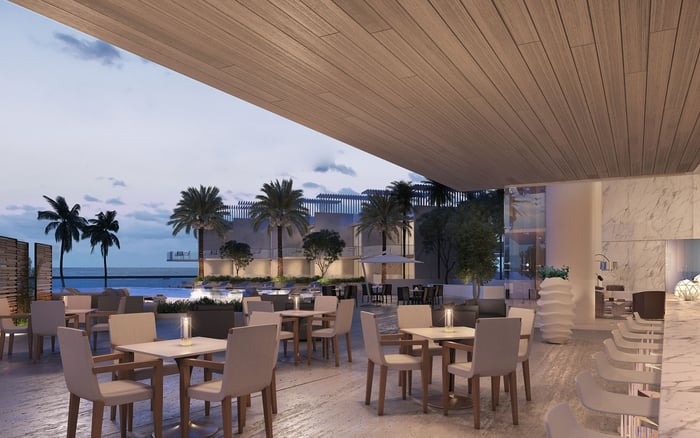
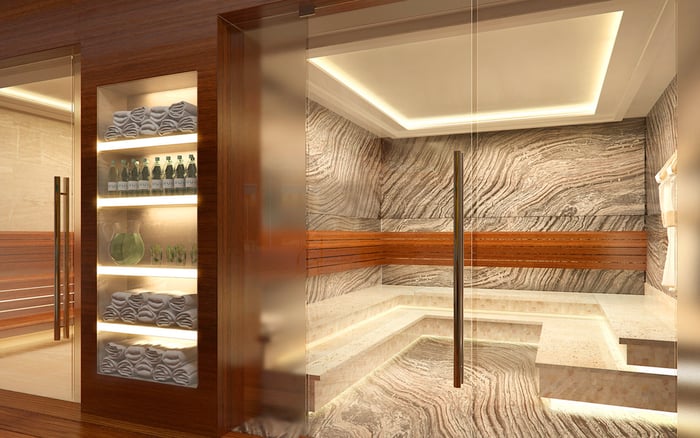
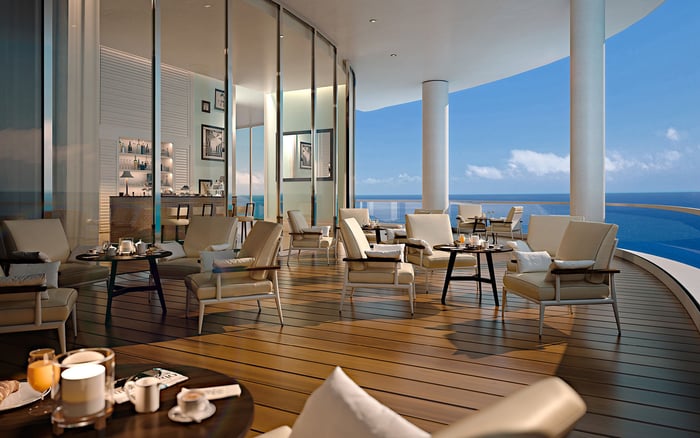
Sunny Isles Beach appeals to luxury buyers who want a practical balance of resort-style privacy, beach-oriented living, and a neighborhood cadence that works beyond seasonal visits.
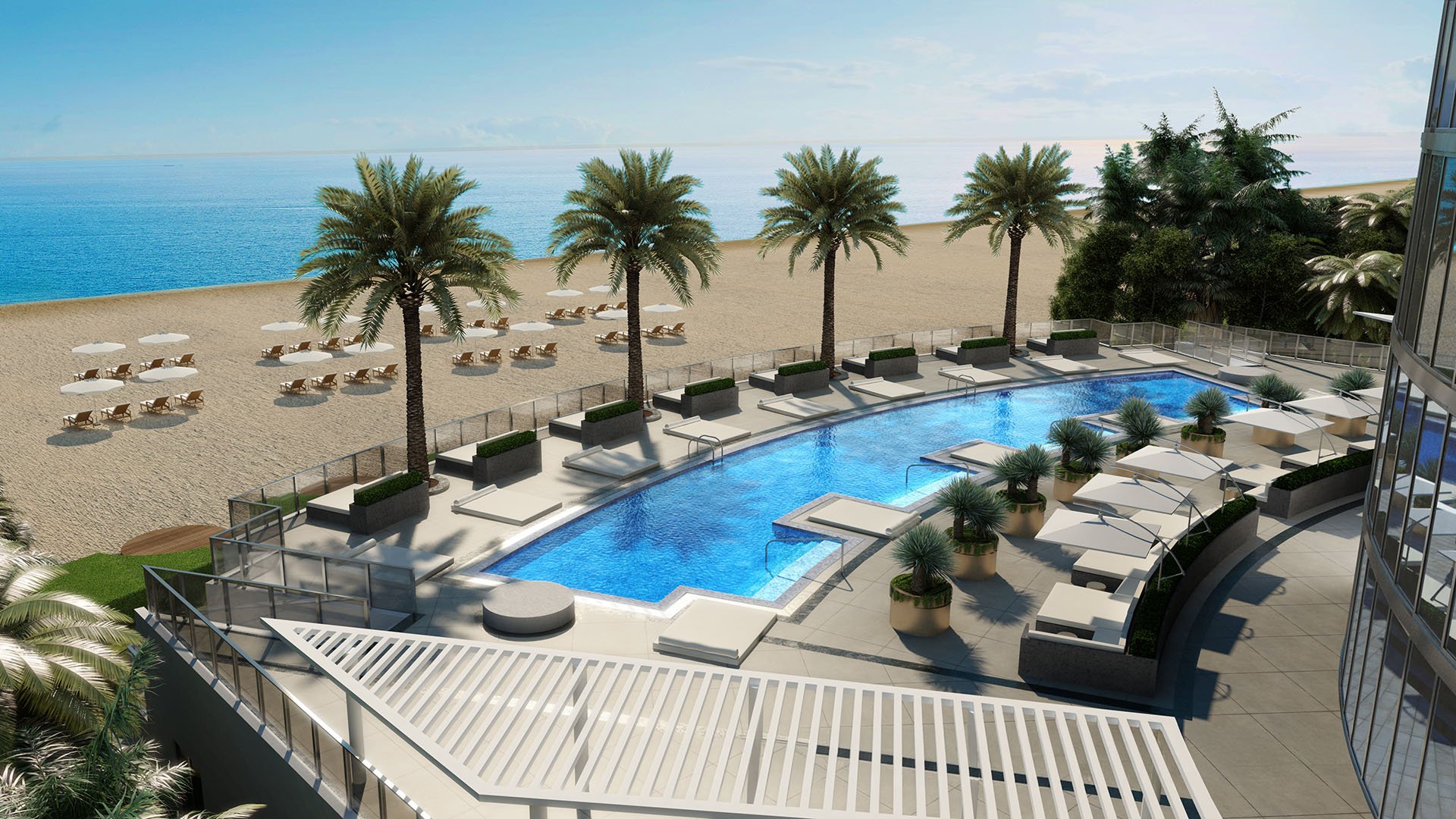
For many South Florida buyers, the first question is no longer simply where to live near the water. It is how to live there without outsourcing the day to a reservation, a drive, or a membership calendar. Sunny Isles Beach answers with a distinct residential logic: private amenities close enough to become routine, beach-oriented living that feels immediate, and a neighborhood rhythm that supports both quiet weeks and highly social seasons.
This is where the area becomes especially relevant for ultra-premium buyers. Club access has long shaped the South Florida conversation, but the modern buyer often wants something more exacting than a prestigious membership. The priority is control. A residence should make it easy to train, swim, host, decompress, work privately, and step into the day without friction. Sunny Isles Beach is compelling because it turns many of those functions into an extension of home.
For shorthand, many buyer briefs reduce the wish list to Sunny Isles, Oceanfront, Beach-access, Pool, Terrace, and Penthouse. In practice, the decision is more nuanced. The best fit is not always the building with the longest amenity roster. It is the one whose private spaces, service culture, and surrounding neighborhood cadence match the household’s actual life.
Club access still has its place. It can define a social circle, provide a familiar dining room, and add polish to seasonal life. Yet for daily living, private residential amenities have become a more practical expression of luxury. They remove the delay between intention and use. A morning swim, a quiet gym session, a spa appointment, or a family afternoon by the water becomes easier when it sits within the residential ecosystem.
Sunny Isles Beach is particularly suited to this preference because many buyers are not choosing between an urban tower and a resort mood. They are seeking both. The appeal lies in living with resort-level ease while preserving the discretion of a private residence. That distinction matters. A well-composed amenity program should not feel like a public hotel lobby. It should feel choreographed, calm, and predictable.
The most successful buildings understand that privacy is not emptiness. It is spacing, staffing, arrival sequence, acoustics, and the ability to move from home to amenity without feeling on display. Buyers should evaluate whether amenity areas feel like a true extension of the residence or like a brochure translated into square footage. The difference is immediately apparent during a weekday visit.
A resort is designed around arrival. A home is designed around repetition. That is the key distinction when evaluating Sunny Isles Beach. A building may look spectacular on a first tour, but the more important question is how it behaves on the fiftieth morning. Is the elevator experience intuitive? Are service points discreet? Do outdoor areas support both solitude and family use? Is there a place to take a call without retreating to the residence itself?
This is where neighborhood rhythm becomes a serious consideration. Sunny Isles Beach offers a daily tempo that many buyers find easier to inhabit than more intensely urban districts. The feeling is residential, vertical, and coastal. It supports routines built around light, water, wellness, and proximity rather than constant movement. For owners who split time between markets, that simplicity can become the defining luxury.
The area also speaks to households with different rhythms under one roof. One person may want spa-grade quiet, another wants beach access, another wants a place to entertain, and another simply wants a predictable path from parking or arrival to the front door. A strong Sunny Isles Beach residence should reduce negotiation among these needs. It should allow each person to use the property differently without making the home feel fragmented.
Amenity depth is not the same as amenity quantity. A long list can be seductive, but luxury buyers should ask sharper questions. Which amenities are genuinely private? Which are staffed well enough to be useful? Which will be used weekly rather than admired once? Which spaces are designed for adults, for children, for guests, and for quiet?
The best private amenities create a sense of invisible efficiency. Fitness areas should support serious routines, not merely satisfy a checklist. Pools should feel considered in proportion, seating, sun exposure, and privacy. Lounges should be elegant enough to receive guests without competing with the residence itself. Outdoor spaces should add to the home’s sense of volume rather than simply offering a place to stand near a view.
Buyers should also consider the boundary between hospitality and residential dignity. Too much theatrical service can feel intrusive. Too little can make a premium building feel under-managed. Sunny Isles Beach works best when service is present but not performative, when the property understands that many residents are not visiting for the weekend. They are living a private life that happens to include the conveniences of a resort.
No amenity program can compensate for a residence that does not live well. The floor plan remains the central luxury. A beautiful view is only part of the equation. The residence should offer calm circulation, useful storage, comfortable guest separation, and indoor-outdoor transitions that make sense in daily life. A terrace should not be treated as decoration. It should change the way the home is used.
For Sunny Isles Beach buyers, this often means weighing spectacle against livability. A dramatic arrival, a formal entertaining space, or a high-floor perspective may be essential for one owner. Another may prioritize sunrise routines, wellness, and privacy for family stays. Neither approach is inherently better. The correct choice is the one that remains satisfying after the novelty of the first season fades.
This is also where the idea of club access evolves. A residence with the right amenities can reduce dependence on outside memberships, but it should not isolate the owner from the neighborhood. The goal is optionality. The owner should be able to live privately when desired, socialize when appropriate, and move through the area without feeling the home is either too secluded or too exposed.
Sunny Isles Beach solves a specific South Florida tension: the desire for resort-level access without surrendering everyday autonomy. It gives buyers a framework for living near the water while keeping wellness, leisure, hosting, and privacy close to the residence. That combination is especially attractive to owners who value time as much as space.
The area is not about being everywhere at once. Its strength is that it can make daily life feel composed. For the right buyer, that composition is more valuable than constant stimulation. The private amenity is not a substitute for the club, the beach, or the city. It is the stabilizing layer that makes all of them easier to enjoy.
Is Sunny Isles Beach best for full-time owners or seasonal residents? It can work for both, provided the building supports the owner’s actual rhythm rather than only a vacation mindset.
How should buyers compare club access with private amenities? Club access is social and external, while private amenities are daily and immediate. The strongest choice often combines both in a balanced way.
What matters most in a Sunny Isles Beach amenity program? Privacy, staffing, usefulness, and ease of access matter more than the number of amenities shown on a brochure.
Is beach proximity enough to justify a premium? Beach proximity is important, but the residence, service model, and building culture must also support daily comfort.
Should buyers prioritize views or floor plan? Views create emotion, but the floor plan determines how well the home lives. The best purchase aligns both.
Are large amenity decks always better? Not necessarily. Scale only matters when the spaces feel private, well managed, and genuinely usable.
What should families consider in Sunny Isles Beach? Families should look closely at circulation, guest separation, outdoor space, and how amenities serve different ages.
Does a residence need a club-like atmosphere to feel luxurious? No. Many sophisticated buyers prefer quiet residential polish over overt club energy.
How can buyers test everyday neighborhood rhythm? Visit at different times of day and consider arrivals, service flow, outdoor comfort, and the feel of routine movement.
What is the core appeal of Sunny Isles Beach luxury living? Its appeal is the blend of water-oriented privacy, residential amenities, and a calmer daily cadence.
When you're ready to tour or underwrite the options, connect with MILLION.
If branded residences are on your mind — as a home or as an allocation — we would be glad to share what we are seeing, privately.
Begin a quiet conversation