A buyer-oriented look at how business relocation, household planning, privacy, service expectations, and long-term residential strategy shape luxury purchase decisions in Brickell.
For the luxury buyer considering Brickell, the question is rarely as simple as whether a residence is beautiful. The more relevant issue is whether the purchase supports a broader move: a business relocation, a family transition, a tax and legal structure, a new daily rhythm, or a long-term Investment posture. Brickell rewards clarity. Without it, the neighborhood can feel abundant but difficult to interpret.
This is where residential strategy becomes essential. A buyer may be relocating a company, establishing a South Florida base, creating a pied-à-terre, or moving a household into a more urban lifestyle. Each path points to a different answer on building type, service level, privacy, floor plan, parking, view exposure, and timing. In a market shaped by strong design narratives and high expectations, the best decision is usually the one that aligns life, work, and ownership structure before the showing schedule begins.
Brickell should be evaluated as both a residential address and a platform for convenience. That distinction changes the conversation from “Which tower is most impressive?” to “Which home makes the relocation function elegantly?”
A business relocation introduces questions that should be answered before a buyer falls in love with a view. Who will use the residence most often? Will the property be a primary home, a secondary home, or an executive base? Does the buyer need immediate occupancy, or is a New-construction timeline acceptable? Will ownership be personal, trust-based, corporate, or part of a broader estate plan? These are not cosmetic details. They shape the right property category.
Privacy is another key consideration. Some buyers want a recognizable address with hotel-caliber arrival and service. Others prefer a more discreet residential environment where daily life feels quieter. The difference can influence everything from lobby scale to amenity programming. For executives, founders, and family offices, the residence may need to receive guests, support remote work, and still feel restorative at the end of the day.
Timing can be equally important. If a company move is already underway, certainty may matter more than optionality. If the move is exploratory, flexibility may be more valuable than immediacy. In either case, the residence should not be chosen in isolation from counsel on business formation, residency planning, financing, insurance, and long-term liquidity.
Brickell’s appeal is not only professional. It also offers an urban lifestyle that can reduce friction for buyers who want dining, wellness, waterfront walks, and a more compact daily routine. Still, not every household wants the same version of that lifestyle. A couple relocating from a large suburban home may prioritize larger interior volume, separation between public and private rooms, and strong storage. A single executive may place greater weight on services, arrival experience, and lock-and-leave simplicity.
Families often ask a different set of questions. How often will children use the residence? Is the home a weekday base or the center of daily life? How important are guest suites, staff access, outdoor space, and proximity to schools or extended family? A Brickell purchase can work beautifully for many household types, but only when the unit and building are selected around actual use rather than abstract prestige.
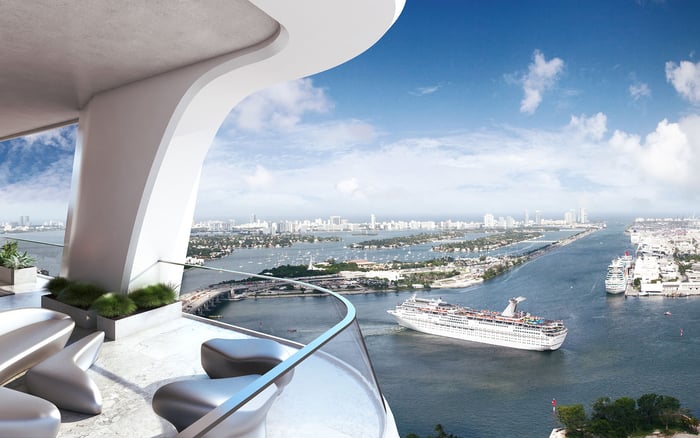
This is also where Waterfront orientation can be decisive. Water views, skyline exposure, terrace depth, and light quality can change the emotional character of a residence. Yet the view should be considered alongside practical needs. A spectacular outlook cannot compensate for a plan that does not support how the household lives.
Project selection should follow strategy, not lead it. A buyer who wants a polished urban residence with a recognized Brickell address may naturally compare options such as Cipriani Residences Brickell, where the conversation often centers on lifestyle, service expectations, and the ease of moving between private life and the city around it.
For buyers who associate the move with hospitality, design identity, and a more globally legible address, Baccarat Residences Brickell can enter the discussion as part of the broader Branded Residences category. The question is not whether branding is inherently better. It is whether the service culture, design language, and ownership experience match the buyer’s intentions.
Other buyers want a calmer, highly residential lens on Brickell, with emphasis on proportion, privacy, and long-term livability. In those conversations, The Residences at 1428 Brickell may be weighed against more traditional luxury towers. Meanwhile, buyers considering Brickell as a long-term family or executive address may also evaluate St. Regis® Residences Brickell through the lens of arrival, service, and residential permanence.
The important point is that each property should answer a specific question. Does it support a business transition? Does it provide privacy without feeling isolated? Does it suit daily living, not just occasional use? Does it hold appeal beyond the first impression?
Before making an offer, relocation buyers should pressure-test the decision across five dimensions: purpose, timing, household fit, operating cost, and exit strategy. Purpose defines how the property will be used. Timing determines whether completion, move-in readiness, or flexibility matters most. Household fit examines floor plan, lifestyle, and service. Operating cost includes the full experience of ownership, not just purchase price. Exit strategy asks how the property may be perceived by future buyers.
This framework helps separate the emotional appeal of Brickell from the practical decision to own there. The strongest purchases tend to feel both personal and rational. They allow the buyer to conduct business, host family, enjoy the city, and maintain optionality.
In that sense, Brickell is not merely a place to buy. It is a place where a buyer’s professional life and private life often meet. The right residence makes that intersection feel seamless.
Should a business relocation happen before buying in Brickell? Not always. Some buyers purchase first to secure a residential base, while others wait until corporate, tax, and family logistics are clearer.
Is Brickell best for primary residences or second homes? It can serve either role. The right answer depends on how often the buyer will be in Miami and how much daily convenience matters.
Why does residential strategy matter in Brickell? Brickell offers many luxury choices, so strategy helps narrow the field by lifestyle, timing, privacy, service, and ownership goals.
Are Branded Residences always the better choice? No. They may suit buyers who value service identity and design consistency, but others may prefer a quieter residential profile.
How should executives think about privacy? They should consider arrival sequence, amenity scale, staff interaction, guest access, and how visible the residence feels day to day.
Does New-construction make sense for relocation buyers? It can, especially when the move is planned over time. Buyers needing immediate certainty may prefer residences available sooner.
What role does Waterfront living play in the decision? Waterfront views can strengthen emotional value, but they should be balanced with floor plan, service, and practical daily use.
Should Investment potential drive the purchase? It should inform the decision, but luxury buyers should also weigh livability, liquidity, carrying costs, and long-term personal utility.
How many Brickell projects should a buyer compare? A focused shortlist is usually better than a broad tour. Compare properties that answer the same strategic need.
When should advisers be involved? Advisers should be involved early, especially when the purchase intersects with business relocation, entity planning, financing, or family strategy.
For a tailored shortlist and next-step guidance, connect with MILLION.
If branded residences are on your mind — as a home or as an allocation — we would be glad to share what we are seeing, privately.
Begin a quiet conversation