A discreet buyer’s guide to evaluating Miami Beach homes through school logistics, commute rhythm, privacy, security posture, and the hidden lifestyle costs that shape daily satisfaction.
For a luxury buyer, Miami Beach is not simply a matter of ocean views, finish quality, or the prestige of a particular address. The more durable test is how the property performs during an ordinary week. School routes, bridge timing, household security, service access, and the ability to move quietly through the city can shape the true cost of ownership as much as the purchase price.
This is where private-school planning becomes central. A residence that feels ideal during a weekend showing may function very differently at 7:30 a.m. on a school day, or late in the afternoon when children, drivers, tutors, trainers, and household staff move through the same entry sequence. The most successful Miami Beach acquisitions account for those patterns before they become recurring friction.
For buyers comparing Miami Beach with Surfside, Bal Harbour, Fisher Island, or mainland neighborhoods, the question is not whether one location is universally superior. It is whether the home’s daily choreography fits the family’s schedule, privacy expectations, and preferred level of security.
Private school access often begins as a lifestyle preference, but it can quickly become a carrying-cost issue. If a family requires drivers, additional vehicles, backup childcare, or more household coverage to accommodate school-day logistics, the monthly operating profile changes. The line item may not appear in a condo budget, yet it becomes part of the true cost of living in the property.
For Miami Beach buyers, the most practical review starts with the morning and afternoon route. Does the property allow efficient departures? Is there a covered or discreet pickup area? Can a driver wait without disturbing neighbors or violating building rules? Does the home require crossing more congested corridors at the same time every day? These details can determine whether a residence supports calm routines or produces daily stress.
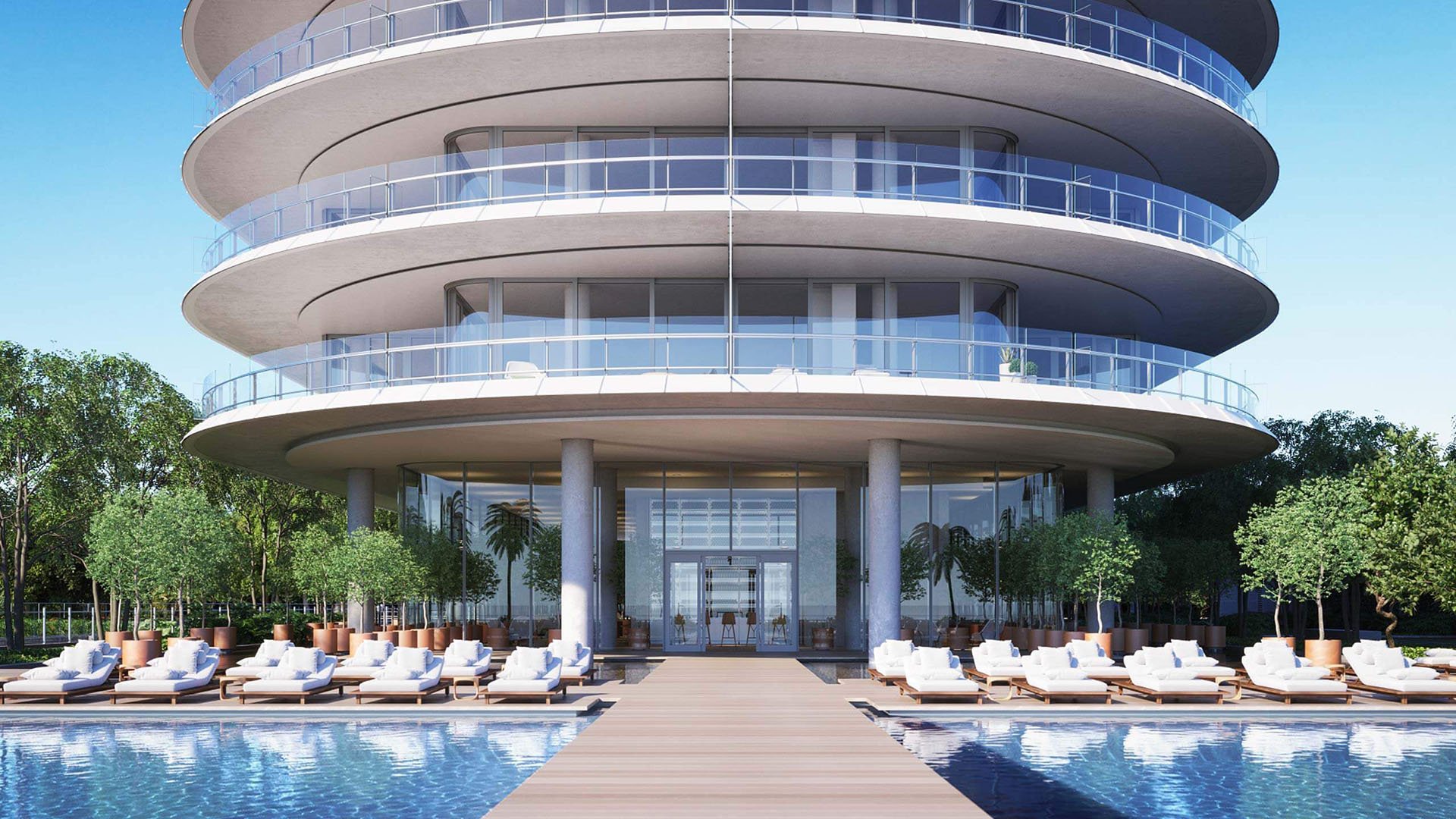
This is especially relevant for families considering oceanfront condominiums such as The Perigon Miami Beach, where the appeal of beach access and privacy should be balanced against school-day movement. The best fit is rarely the closest address on a map. It is the address that reduces decision fatigue.
Commute rhythm in Miami Beach is not only about reaching an office. It includes school runs, airport departures, dinner reservations, medical appointments, club routines, and weekend guest arrivals. A buyer who works from home may still have a highly active household that requires precise coordination.
The most important question is how often the household must cross water, move through valet, or rely on limited access points. A shorter distance can feel longer if the route is unpredictable. Conversely, a slightly farther residence may function better if access is smoother, parking is simpler, or staff can manage logistics without involving the principal owner.
South of Fifth buyers often prize the neighborhood’s sense of separation, restaurant access, and waterfront proximity. Yet a family should still test the rhythm of the specific building and street. A residence at Continuum on South Beach may appeal to a buyer seeking resort-style privacy near the southern tip of Miami Beach, but the daily schedule should be reviewed in the context of school, work, and staff movement.
For some buyers, the right answer is a newer building with extensive service infrastructure. For others, it is a quieter boutique property with fewer points of public exposure. Commute rhythm is personal, and luxury is the ability to make movement feel effortless.
Security in the luxury market is often discussed as protection, but its deeper value is comfort. The best systems feel seamless. They allow children, guests, staff, and deliveries to move through the property with clarity while preserving the owner’s privacy.
Carrying costs can rise when a family expects higher security than the property naturally provides. A single-family home may require more private staffing, technology, gate management, landscaping control, and vendor oversight. A full-service condominium may embed some of those costs in association fees, but the buyer should still understand the building’s rules, staffing model, and visitor protocol.
Gated-community expectations can also affect lifestyle fit. A guarded or controlled setting may be attractive for privacy, but it can add steps for guests, school transportation, vendors, and household teams. The premium is worthwhile when it matches the family’s preference for discretion. It becomes burdensome when the household values spontaneity and frequent entertaining.
Buildings such as The Ritz-Carlton Residences® Miami Beach can appeal to buyers who want a managed environment with a hospitality sensibility while still remaining connected to Miami Beach. The question is not simply what security exists, but how gracefully it integrates into everyday life.
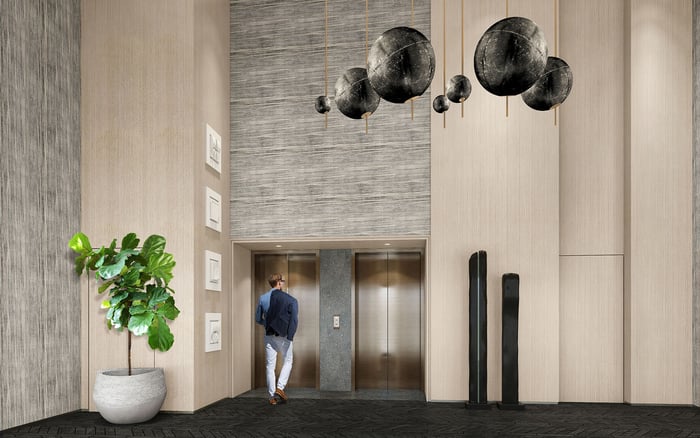
Privacy is not a single feature. It is a combination of approach, sightlines, staffing, sound control, elevator experience, beach access, pool exposure, and the frequency with which the owner must interact with public-facing spaces. A highly visible address may be desirable for status, yet less suitable for a family that wants quiet entrances and low social exposure.
Waterfront living can improve privacy when setbacks, views, and controlled access are well considered. It can also increase operational needs, from exterior maintenance to insurance review and storm preparation. The buyer should consider not only the romance of the water, but also the management burden that comes with it.
A residence such as Shore Club Private Collections Miami Beach may attract buyers seeking the blend of design, service, and coastal presence. Still, the appropriate analysis remains personal: how often will the owner use the amenities, how discreet is arrival, and how naturally does the building support the household’s daily cadence?
Privacy also has a social dimension. Families with school-age children may prefer buildings where household movement feels normal and unobserved. Seasonal owners may place more value on lock-and-leave simplicity. Entertainers may prioritize arrival drama and guest flow. Each choice carries a different cost profile.
A sophisticated Miami Beach buyer should look beyond taxes, association fees, insurance, utilities, and maintenance. Those categories matter, but they are only the visible layer. The hidden layer includes transportation support, security preferences, staff time, guest management, vehicle storage, pet routines, tutoring schedules, wellness appointments, and the cost of repeatedly solving small inconveniences.
For example, if a residence requires a driver because school logistics are difficult, that is part of the carrying cost. If a building’s guest protocol makes entertaining cumbersome, the family may use the home less. If a single-family property offers privacy but demands significant oversight, the owner is purchasing autonomy along with responsibility.
Lifestyle buyers should also distinguish between amenity abundance and amenity relevance. A family that swims daily, hosts grandparents, and relies on fitness programming may extract real value from a service-rich building. A highly private couple who travels often may prefer fewer shared spaces and simpler operations.
This is why lifestyle fit is more important than luxury level. A property can be exquisitely built and still be wrong for a particular household.
Before making a final decision, walk through a full week on paper. Start with Monday morning school departure. Add office travel, workouts, staff arrivals, grocery deliveries, tutors, playdates, dinner plans, weekend guests, and airport timing. Then ask whether the residence reduces friction or adds coordination.
Tour the property at more than one time of day. Observe entry points, valet rhythm, lobby exposure, elevator privacy, garage circulation, and the ease of moving children or luggage. In a single-family setting, consider gate operation, service access, lighting, camera placement, and how the home feels after dark.
Finally, compare the emotional value of the address with the operational reality. Miami Beach rewards buyers who understand that the best home is not always the most dramatic. It is the one that protects time, supports privacy, and makes the family’s daily rituals feel composed.
Why do private schools matter when buying in Miami Beach? School logistics can shape daily routines, driver needs, and household staffing, which can influence the real cost of living in a property.
Is the closest home to school always the best choice? Not necessarily. Route predictability, pickup access, privacy, and building procedures can matter more than raw distance.
How can commute rhythm affect carrying costs? A difficult commute may increase reliance on drivers, additional vehicles, parking solutions, or staff time.
Do condominiums reduce security expenses? They may include certain security functions through association operations, but buyers should review protocols, staffing, and privacy standards.
Are single-family homes more private than condos? They can be, but they may also require more owner-directed staffing, technology, and exterior oversight.
What should families test during a showing? They should evaluate arrival, departure, valet flow, elevator privacy, school timing, guest access, and staff circulation.
Does waterfront living change the cost profile? It can add management considerations, so buyers should weigh views and access against maintenance and preparedness needs.
Why is South of Fifth attractive to some buyers? It offers a distinct Miami Beach setting with strong lifestyle appeal, but each property still needs a routine-based review.
How should a buyer evaluate privacy? Look at arrival sequence, sightlines, shared spaces, service access, sound control, and the level of public exposure.
What is the best definition of lifestyle fit? Lifestyle fit means the property supports the household’s real schedule, privacy preferences, and comfort without constant adjustment.
When you're ready to tour or underwrite the options, connect with MILLION.
If branded residences are on your mind — as a home or as an allocation — we would be glad to share what we are seeing, privately.
Begin a quiet conversation