A discreet buyer’s guide to evaluating private elevator access, valet circulation, arrival privacy, and operating rules before purchasing a Fort Lauderdale luxury residence.
In Fort Lauderdale, the most refined residential experiences are often determined before a resident reaches the front door. A private elevator, a discreet porte cochère, a composed valet stand, and staff protocols that feel natural rather than theatrical can define the rhythm of ownership. These details rarely receive the same attention as water views, terrace depth, or finish packages, yet they directly influence privacy, daily convenience, and long-term satisfaction.
For buyers considering Fort Lauderdale Beach, Las Olas, or quieter enclaves across Broward, the question is not simply whether a building offers private elevator access or valet service. The more important question is how those systems actually function. A private elevator that opens directly into a residence can feel exceptionally polished, but its value depends on access control, service routing, guest procedures, and the way deliveries, contractors, staff, and visitors are separated from owner circulation.
This is where careful ownership begins. The sales gallery may show the glamorous moment of arrival. The governing documents, operating rules, staffing assumptions, and physical layout reveal what that arrival will feel like on a Wednesday evening, during a holiday weekend, or when several owners are entertaining at once.
Private elevator access sounds absolute, but in practice it can mean several things. Some residences may have elevator openings that feel direct and private, while other layouts may involve shared vestibules, controlled landings, or semi-private access shared by a limited number of homes. Buyers should ask what the elevator opens to, who can call it, how credentials are issued, and whether staff, vendors, or guests follow the same path.
The essential distinction is between architectural privacy and operational privacy. Architectural privacy is the physical arrangement: elevator, vestibule, door, corridor, and sightline. Operational privacy is the policy layer: fobs, destination dispatch, concierge releases, guest registration, service elevator use, and after-hours procedures. A residence can have a beautiful elevator arrival and still feel exposed if the rules are loose or the staffing model is unclear.
In high-touch properties such as Four Seasons Hotel & Private Residences Fort Lauderdale, buyers should evaluate the experience as a sequence rather than a single amenity. From vehicle handoff to lobby recognition to elevator access, each transition should feel considered. The best buildings make privacy feel effortless, but that effortlessness is usually the result of precise rules.
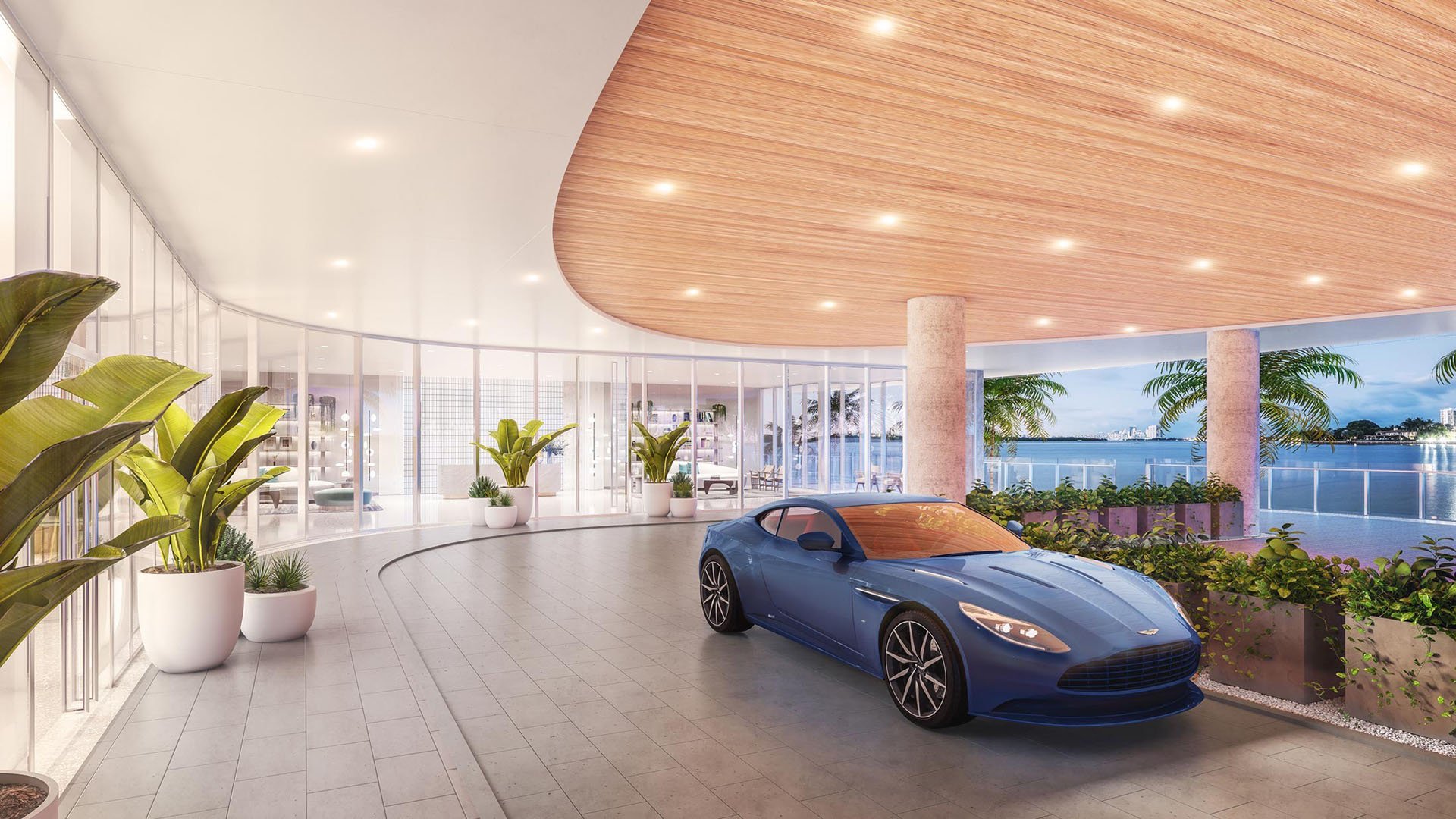
Valet service is sometimes treated as a convenience, but for luxury buyers it is also a privacy and traffic-management issue. A well-designed valet flow separates residents, guests, service providers, rideshare vehicles, and deliveries as much as the site allows. A less considered flow can create friction at the exact moment a building is meant to feel calm.
Before committing, buyers should observe or ask about peak moments. How many vehicles can stack before the arrival court feels crowded? Where do guests wait? Is the valet stand positioned for privacy, or does it become a social bottleneck? What happens when a resident hosts a dinner, when several guests arrive at once, or when a driver returns with a vehicle during a storm?
At an address with a prominent arrival sequence, the valet experience may also carry a different emotional weight. Buyers looking at St. Regis® Residences Bahia Mar Fort Lauderdale should consider how the building’s arrival experience fits their personal use pattern: daily residence, second home, seasonal retreat, or frequent entertaining base. Each pattern stresses the valet system differently.
The view may sell the residence, but the documents explain the ownership experience. Buyers should review the condominium declaration, rules and regulations, proposed budget, valet procedures, access policies, insurance responsibilities, and any service agreements that touch arrival, parking, elevators, loading, and staffing.
Pay particular attention to who controls access rights. Can the association modify guest procedures? Are valet policies handled by the association, a third-party operator, or a hospitality component? Are owners allowed to self-park, or is valet the practical default? How are additional vehicles handled? What rights do residents have for family members, household staff, drivers, caregivers, and security personnel?
This is not about suspicion. It is about alignment. A buyer who values absolute discretion may want different protocols than a buyer who hosts often and prefers a lively lobby. A buyer choosing new construction should be especially attentive to proposed operations because some systems are easier to understand once a building is active. In pre-delivery settings, the right questions matter.
Fort Lauderdale is not one uniform luxury market. Fort Lauderdale Beach has a different arrival character than Las Olas, and a riverfront or neighborhood-oriented building can feel different from a beachfront tower. That variation is part of the appeal, but it means buyers should match the setting to their expectations.
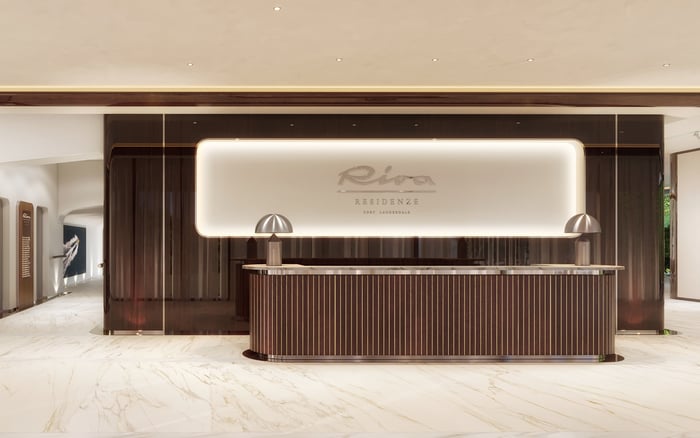
A buyer considering Riva Residenze Fort Lauderdale may be focused on a different daily rhythm than a buyer comparing a more resort-driven beach address. A purchaser looking at Sixth & Rio Fort Lauderdale may care deeply about how residents, guests, and vehicles move through a more urban arrival sequence. Neither model is inherently better. The right choice depends on how privately and how frequently the owner expects to live there.
This is also where buyer due diligence becomes useful not as a broad market exercise, but as a personal filter. The questions should be specific. Do you want to hand off your car every time? Will household staff need independent access? Do your guests arrive by car, driver, rideshare, or boat? Will you use the residence during peak weekends, or primarily off-season? The answers change what “luxury” should mean.
The best private elevator experience is protected by what guests never see. Service elevators, loading areas, package procedures, contractor access, move-in schedules, and housekeeping routes all contribute to the sense of discretion. If these systems are not thoughtfully separated, private residential circulation can become compromised over time.
Ask how large deliveries are handled. Ask whether contractors are limited to certain hours. Ask how move-ins are scheduled and whether protective measures are required for elevators and corridors. Ask whether food delivery, floral delivery, personal shoppers, dog walkers, and private chefs are directed through the same path as social guests.
For a buyer considering The Ritz-Carlton Residences® Fort Lauderdale, the prudent review remains the same: how is the private residential experience protected when the building is busy, staffed, and fully lived in? True luxury is durable. It should hold up under ordinary pressure.
A serious walkthrough should be timed, not just toured. Arrive once during a quiet period and once when the neighborhood is active. Watch how vehicles enter, where attendants stand, how long it takes for cars to return, how guests are greeted, and whether the lobby feels like a threshold or a gathering zone.
Inside, stand at the elevator landing and study the sightlines. Would a guest, vendor, or neighbor see directly into the residence when the doors open? Is there a vestibule, and is it large enough to function elegantly? Are there cameras, access panels, or staff stations that affect the sense of privacy? If the elevator opens directly into the home, what is the backup protocol if access credentials fail or if emergency access is needed?
Careful buyers do not reduce these questions to checkboxes. They imagine ownership in motion. Morning departures, late arrivals, visiting family, dinner parties, storms, deliveries, repairs, and seasonal occupancy all reveal whether the building’s promise is supported by its operations.
Is private elevator access always fully private? Not necessarily. Buyers should confirm whether the elevator opens directly into the residence, a private vestibule, or a shared landing.
What should I ask about valet service before buying? Ask about vehicle stacking, guest arrivals, self-parking options, staffing, wait procedures, and how peak periods are handled.
Why does valet flow matter for resale? A graceful arrival experience can support the perception of quality, while chronic congestion can weaken the ownership experience.
Should I review building rules before signing? Yes. Rules often explain guest access, vendor movement, deliveries, parking rights, and elevator use more clearly than marketing materials.
Is Fort Lauderdale Beach different from Las Olas for arrivals? Yes. Each setting can create different traffic patterns, guest behavior, and daily expectations for privacy and convenience.
Can service elevators affect private elevator privacy? Yes. Strong service routing helps keep deliveries, contractors, and building operations away from residential arrival paths.
What does access control usually involve? It may include fobs, concierge releases, destination controls, guest registration, and policies for staff or vendors.
Are branded residences automatically better at valet flow? Not automatically. A brand can signal service intent, but buyers should still study the physical design and operating rules.
Should second-home buyers care about these details? Absolutely. If visits are seasonal or weekend-focused, peak arrival times may matter even more than daily routines.
What is the most important takeaway for careful buyers? Treat elevators, valet, and access policies as part of the residence itself, not as secondary amenities.
For a discreet conversation and a curated building-by-building shortlist, connect with MILLION.
If branded residences are on your mind — as a home or as an allocation — we would be glad to share what we are seeing, privately.
Begin a quiet conversation