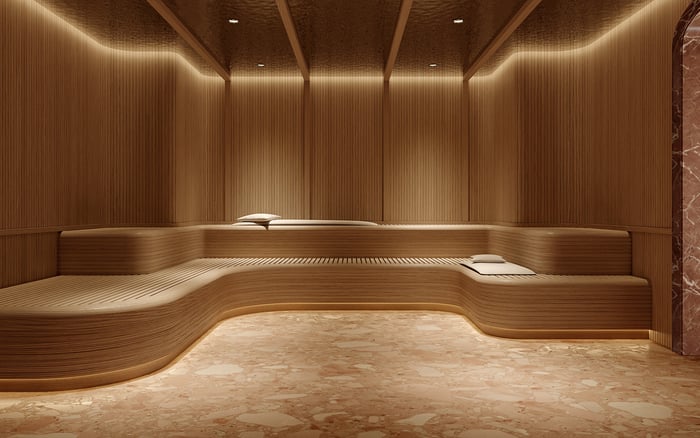
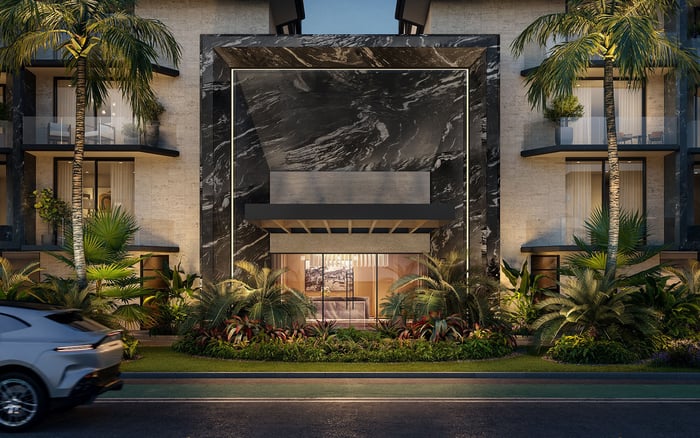
Bay Harbor Islands buyers can evaluate luxury through a seasonal lens, focusing on effortless arrivals, comfortable stays, orderly absences, and practical residence care. Onda, The Well, and Alma provide a focused framework for comparing how a home may fit a buyer’s part-time routine.
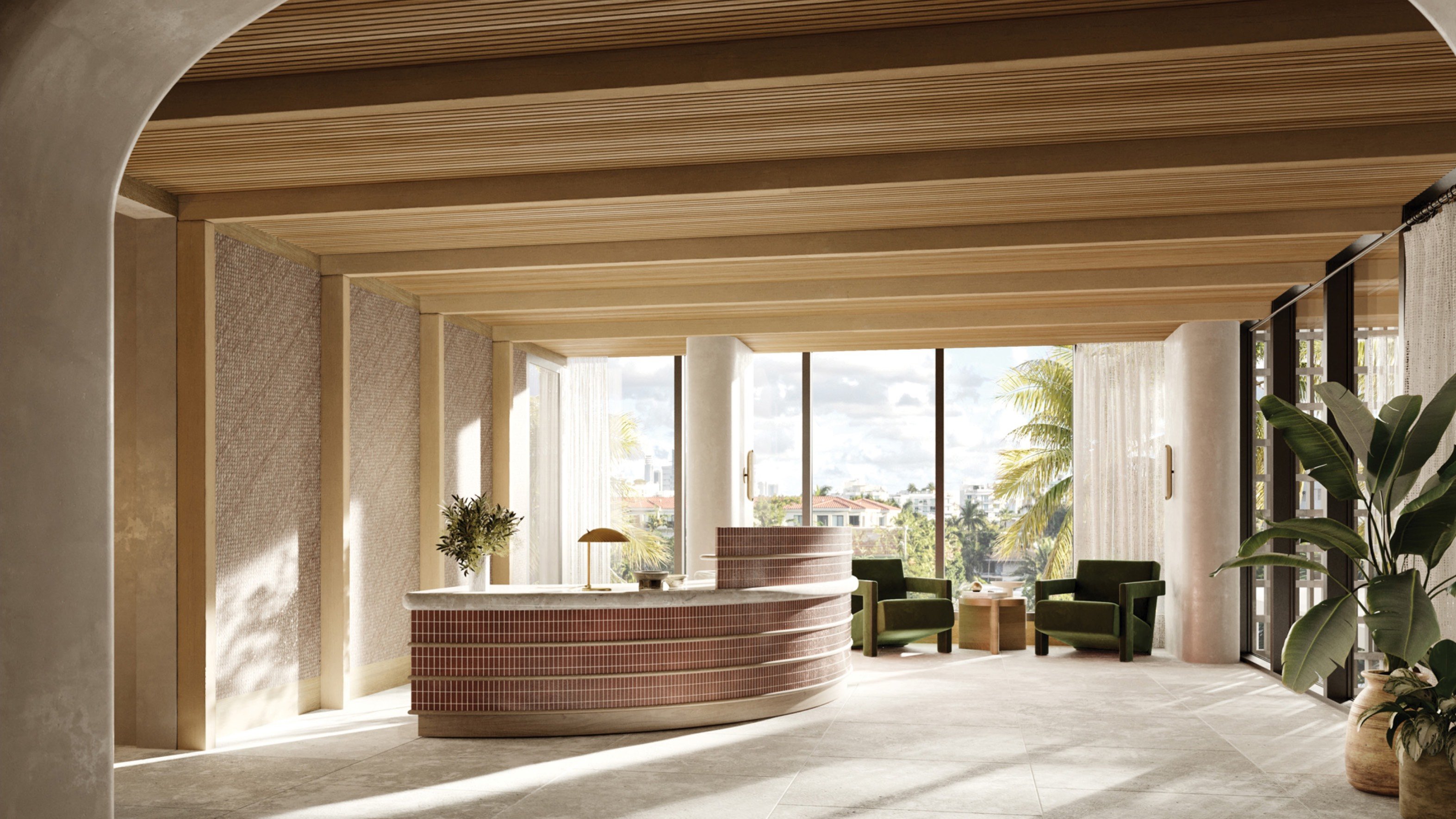
For a seasonal buyer, a South Florida residence must work well during visits and extended absences. Beyond the initial impression, the practical test is whether ownership can remain composed through arrivals, departures, guest stays, routine care, and changing schedules.
Bay Harbor Islands offers a focused setting for this discussion. The comparison is not simply about finding the longest amenity list. It is about identifying the residence and operating approach that best support privacy, predictability, and the buyer’s preferred pace of life.
Three projects frame the decision: Onda Bay Harbor, The Well Bay Harbor Islands, and Alma Bay Harbor Islands. Rather than assuming that one model suits every buyer, purchasers can use this shortlist to examine how each option fits their intended pattern of use.
Seasonal ease begins with a realistic ownership brief. Buyers should estimate how often they expect to visit, how long they will stay, who may use the residence in their absence, and how frequently they plan to host guests. Those answers help separate essential features from appealing extras that may see little use.
Arrival and departure deserve particular attention. A buyer can ask how access works, how the residence is prepared after an absence, how deliveries are handled, and whom the owner contacts when plans change. Clear answers can reveal whether the experience is likely to feel intuitive or require frequent coordination.
The same discipline applies while the home is unoccupied. Purchasers should understand maintenance responsibilities, residence oversight, communication procedures, and any steps required before or after a prolonged absence. These operational details should be reviewed directly rather than inferred from presentation materials.
The title’s three-project framework is most useful when each option is measured against the same criteria. Buyers can compare access, privacy, common-area circulation, storage, guest procedures, residence care, and the practical value of shared amenities.
The residence itself should also be tested against the expected household. Layout, bedroom separation, gathering areas, storage, and outdoor space can affect how easily owners, family members, and guests share the home. A plan that works for a couple may not serve a multigenerational visit or frequent entertaining in the same way.
Buyers should avoid treating a project identity as a substitute for due diligence. The relevant question is how the residence, services, and operating expectations work together in daily practice. A feature has lasting value when it supports a recurring need, not merely when it makes a strong first impression.
A disciplined review can begin with five areas:
Use pattern: Define the likely number, length, and timing of stays.
Access: Review procedures for owners, family members, guests, staff, and deliveries.
Residence care: Clarify maintenance responsibilities and communication during absences.
Space planning: Assess storage, sleeping arrangements, gathering areas, and circulation.
Recurring value: Give greater weight to services and amenities likely to be used regularly.
Costs and responsibilities should be examined alongside the lifestyle proposition. Buyers can request the governing and operating materials relevant to their purchase, review them with qualified advisers, and confirm which expectations are documented. The goal is not to eliminate every task but to understand the ownership experience before making a decision.
A second home should be evaluated through an ordinary day as well as a special occasion. Buyers can map how they expect to spend mornings, meals, appointments, time outdoors, evenings, and quiet periods at home. This exercise helps connect the residence to an actual routine rather than an abstract image of seasonal living.
Recurring experiences deserve more weight than decorative details. Privacy, sound, circulation, storage, access, and management communication can influence every stay. Finishes may be adjusted over time, but the broader ownership structure and operating culture require careful consideration before purchase.
Onda, The Well, and Alma therefore provide a practical comparison for buyers refining their definition of seasonal ease. The strongest choice will be the residence that most closely matches the owner’s schedule, household, service expectations, and preferred daily rhythm.
What does seasonal ease mean for a South Florida residence? It refers to how smoothly a home supports arrivals, daily living, guest use, routine care, and extended absences.
Why compare Onda, The Well, and Alma? The three projects create a focused Bay Harbor Islands shortlist that buyers can assess using consistent lifestyle and operational criteria.
Is a longer amenity list always better for a seasonal owner? No. An amenity is most valuable when it supports the owner’s actual routine and is likely to be used regularly.
What access details should a buyer review? Buyers should ask about procedures for owners, family members, guests, staff, deliveries, and changing arrival plans.
Why does residence care matter during an absence? Clear responsibilities and communication procedures help an owner understand how the home will be managed when it is unoccupied.
How important is storage in a part-time residence? Storage can simplify repeated visits by keeping clothing, personal items, and entertaining essentials organized between stays.
Should privacy or service take priority? The preferred balance depends on the buyer’s habits, household, and expectations. Each purchaser should verify how both function in practice.
What should families consider when comparing layouts? They should review bedroom separation, gathering spaces, circulation, storage, and how guests or different generations may use the home.
How can buyers judge whether an amenity will be useful? They can compare it with a realistic schedule and determine whether it supports a recurring need rather than an occasional preference.
What is the best way to choose among the three projects? Build a personal usage brief, verify operating details, and compare each option against the same day-to-day ownership criteria.
When you're ready to tour or underwrite the options, connect with MILLION.
If branded residences are on your mind — as a home or as an allocation — we would be glad to share what we are seeing, privately.
Begin a quiet conversation