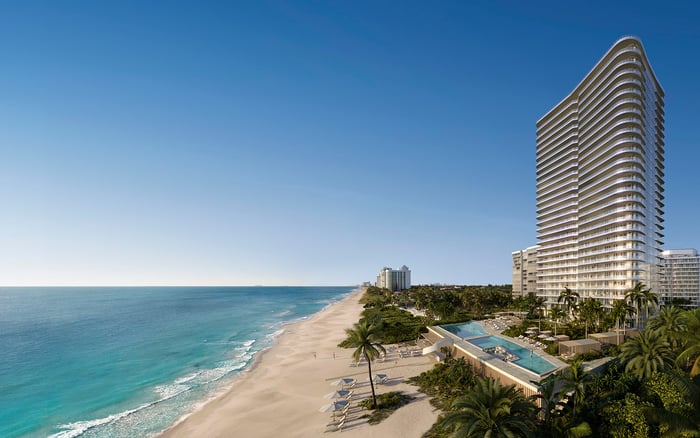
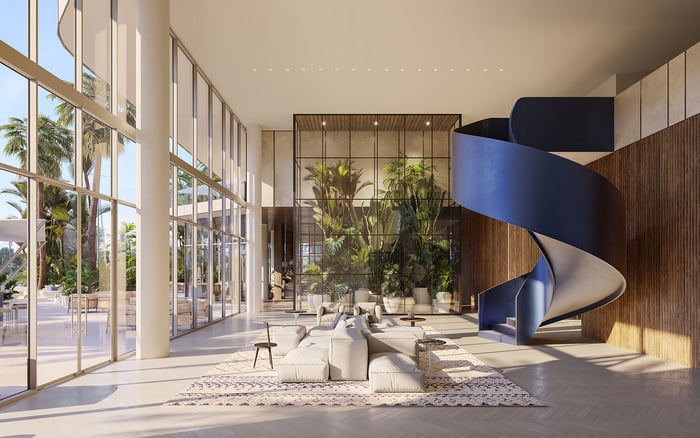
A practical privacy due diligence guide for ultra-luxury buyers preparing to tour The Ritz-Carlton Residences® Pompano Beach, with questions spanning access, staffing, technology, amenities, guest flow and condominium rules.
At the highest end of South Florida real estate, privacy is not a single feature. It is a layered condition shaped by architecture, circulation, staffing, technology, amenity programming and legal rules. For buyers considering The Ritz-Carlton Residences® Pompano Beach, the model-residence tour should be treated as more than a design preview. It is the first opportunity to test whether the living experience will feel calm, discreet and protected once the building is occupied.
The project sits within South Florida’s branded luxury oceanfront market, where buyers may be evaluating not only finishes and views, but also how daily life unfolds when residents, guests, staff, vendors, brokers and prospective purchasers move through the same property. A polished sales gallery can communicate taste. Privacy diligence asks the sharper questions: who sees whom, who knows what and who can go where?
This is especially important for buyers who host family offices, travel with security, maintain public profiles or simply value quiet ownership. Privacy should be discussed before, during and after the tour, with notes taken as carefully as floor plans or exposure are reviewed.
The first question is direct: is the project purely residential, and if so, how does that affect privacy compared with buildings that include transient hotel-style guest patterns? If hospitality-style services, visitors or outside users interact with the property, ask how those movements are separated from resident life.
In the wider Pompano Beach luxury conversation, buyers may compare this question across branded and lifestyle projects such as Armani Casa Residences Pompano Beach, W Pompano Beach Hotel & Residences and Waldorf Astoria Residences Pompano Beach. The point is not to assume one model is more private than another. It is to understand precisely how residential identity, service culture and guest access are designed to coexist.
For oceanfront and new-construction buyers, privacy often depends on how clearly the property defines its boundaries: arrival, lobby, elevators, amenity decks, beach access, service entries and parking. Each threshold should feel intentional, not improvised.
During the model-residence appointment, ask the sales team to describe the resident journey from arrival to front door. How does a resident enter from parking? Who can access the lobby? Are elevators controlled by credential, staff escort or another system? Are corridors arranged to reduce unnecessary encounters with vendors, guests and prospective buyers?
Then ask the same questions from the visitor’s perspective. Where are guests logged? How are vendors admitted? How are delivery personnel routed? How do service teams reach residences, amenity spaces and back-of-house areas without crossing the most private resident corridors more than necessary?
A strong privacy program is legible in circulation. It minimizes chance encounters and makes access feel intuitive. If the explanation becomes vague, ask for a diagram or a step-by-step walkthrough. In luxury real estate, privacy is often revealed by movement.
The model residence itself is part of the privacy test. Ask how appointments are spaced, whether visitors are logged, whether prospects are escorted at all times and whether simultaneous tours are limited. A buyer who values discretion should know whether the sales process reflects the same sensibility promised for ownership.
Photography rules deserve particular attention. Ask whether photography, video recording, social-media posting and broker marketing are restricted inside model residences and private amenity areas. In a market where visual content travels quickly, a no-photo or controlled-photo policy can be as meaningful as a keyed elevator.
Also ask how the sales team handles high-profile visitors. The best answer is not theatrical secrecy. It is calm procedure: confidentiality, appointment discipline, limited access to personal information and clear internal expectations around discretion.
Service is central to branded residential living, but service also creates data. Ask what information is collected about owners, residents, guests, vehicles, household staff, service requests and personal preferences. Then ask who can access that information, how it is stored and whether it is shared across systems or teams.
Staff training is equally important. Privacy depends on whether front desk, valet, amenity, maintenance and management personnel are trained in discretion, confidentiality and the handling of residents who may require additional sensitivity. For ultra-high-net-worth households, the issue is not only whether staff are courteous. It is whether staff know what not to discuss, record or reveal.
Technology should be questioned in the same spirit. Cameras, smart-home controls, access apps, license-plate recognition and building-management platforms can enhance security and convenience. They can also create records. Ask how resident data is protected, who administers the systems and what policies govern access.
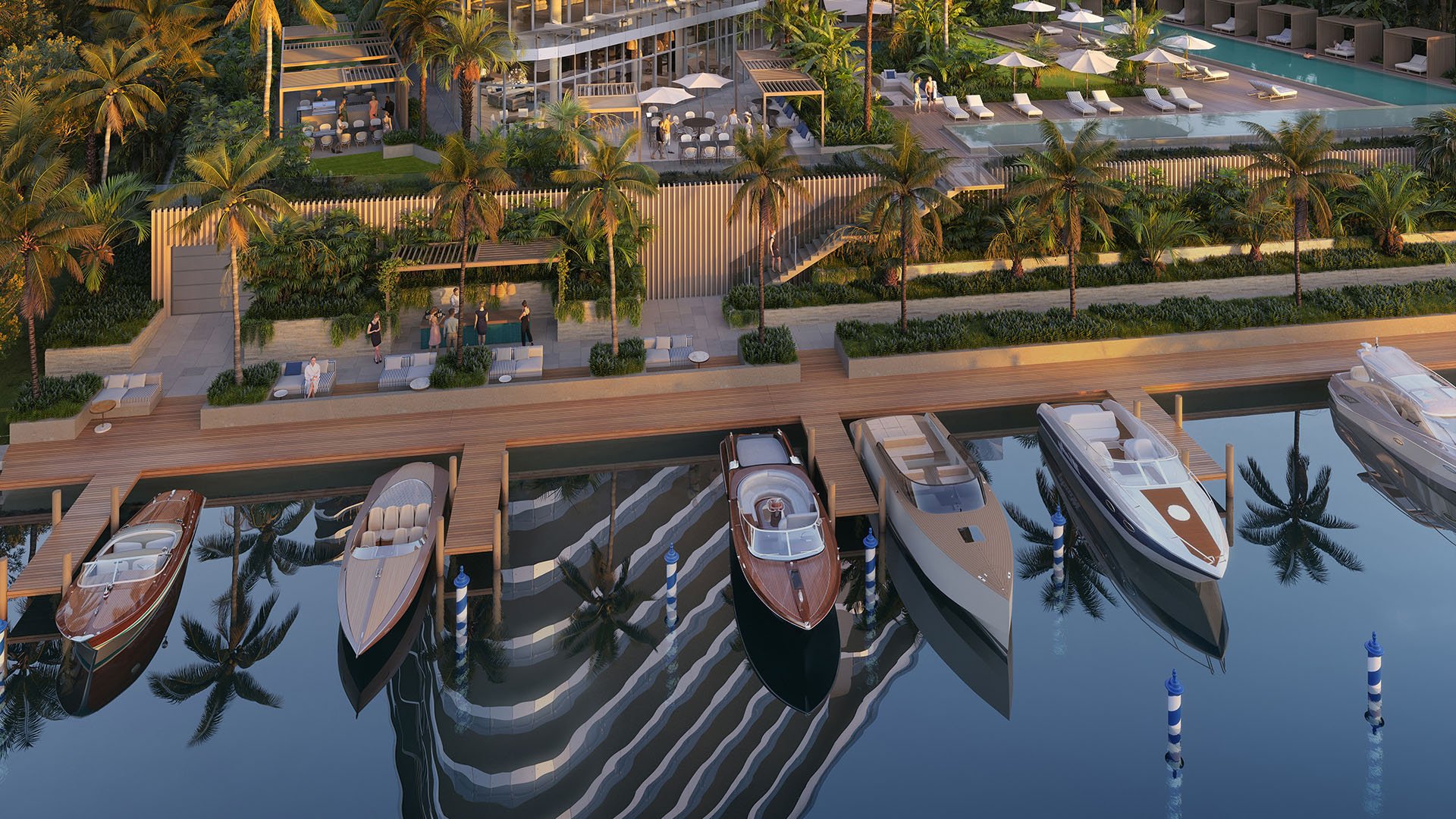
A private residence can feel exposed if the amenity culture is too public. Ask how beach, pool, spa, dining, event, marina and outdoor entertainment areas are programmed so they feel residential rather than semi-public. Beach-access and marina questions should be especially specific: who can use these areas, how guests are approved and whether outside traffic is separated from residents.
Noise privacy is another form of discretion. Ask how acoustic separation is handled between residences, amenity decks, service areas, elevators and outdoor entertainment zones. A spectacular view will not offset a terrace that carries noise from a pool event or a corridor that amplifies elevator traffic.
Buyers touring a model residence should listen as carefully as they look. Ask what materials, layouts and operational rules support quiet occupancy. Privacy is visual, operational and acoustic.
The final layer is legal. Ask to review condominium documents, association rules, rental policies, guest policies and vendor policies with privacy in mind. Marketing language can describe a lifestyle, but documents govern conduct.
Look for how rules address rentals, guest duration, amenity access, vendor entry, owner information, photography, events, deliveries, household staff and enforcement. A privacy-forward building should have rules that support the same culture expressed during the tour.
Before signing, organize your questions into six categories: architecture, access control, staff discretion, technology, amenity programming and association rules. If the answers align, the project’s privacy story becomes more than ambiance. It becomes a living framework.
What is the first privacy question to ask before touring? Ask whether the project is purely residential and how resident areas are separated from guest, vendor and service traffic.
Should I ask about access control during the model tour? Yes. Ask how access is managed at the lobby, elevators, parking, beach areas, marina areas and amenity spaces.
Why do photography rules matter? Photography, video and social posting can compromise discretion, especially inside model residences and private amenity areas.
How can I evaluate staff discretion? Ask how staff are trained on confidentiality, resident information, service requests and high-profile guest handling.
What technology questions should I raise? Ask how cameras, access apps, smart-home systems and license-plate tools protect resident data and limit internal access.
Is noise privacy part of due diligence? Yes. Ask about acoustic separation between residences, elevators, service zones, amenity decks and outdoor entertainment spaces.
How should I think about amenity privacy? Ask who can use beach, pool, spa, dining, event and marina spaces, and how guest access is controlled.
Do condominium documents affect privacy? They are essential. Review rental rules, guest policies, vendor procedures, conduct rules and enforcement language.
Should my broker attend with a privacy checklist? A prepared advisor can help document answers, compare policies and identify vague responses before contract review.
What is the goal of privacy diligence? The goal is to confirm that design, service, technology and rules work together to protect daily residential discretion.
If you'd like a private walkthrough and a curated shortlist, connect with MILLION.
If branded residences are on your mind — as a home or as an allocation — we would be glad to share what we are seeing, privately.
Begin a quiet conversation