Miami’s global events, airport connectivity, and Bal Harbour’s discreet residential character can make a refined South Florida pied-à-terre feel more strategic for international owners.
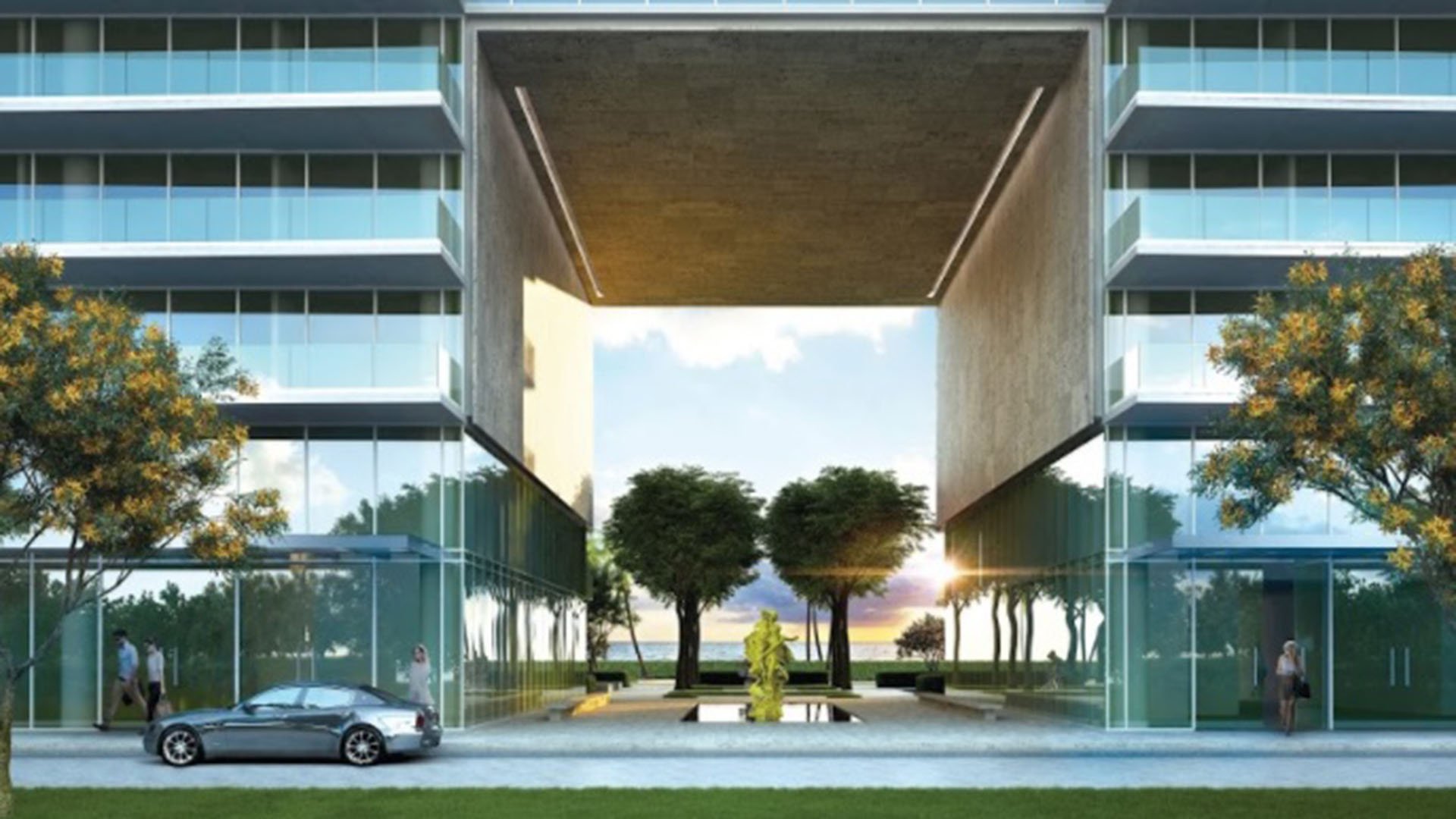
Miami’s global calendar has matured beyond a winter-season attraction. For a certain buyer, it is now part of the ownership thesis. Art Basel Miami Beach may be the cultural marker many international families recognize first, but the broader appeal is the rhythm around it: design, collecting, dining, wellness, hospitality, private aviation, yachting, and family travel converging throughout the year.
That matters for the pied-à-terre buyer because the question is no longer simply, “Where should we stay when we are in Miami?” The sharper question is, “Which residence makes each arrival more effortless, more private, and more aligned with how we actually use the city?”
A better-positioned South Florida pied-à-terre is not necessarily the most conspicuous address. It is the residence that can absorb the owner’s lifestyle without friction. It should be easy to leave, easy to reenter, elegant enough for spontaneous entertaining, and calm enough to feel separate from the very events that brought the owner to town. In private searches, Art Basel often becomes shorthand for a larger cultural pattern, one in which Miami functions as a meeting point for global capital, collectors, founders, families, and tastemakers.
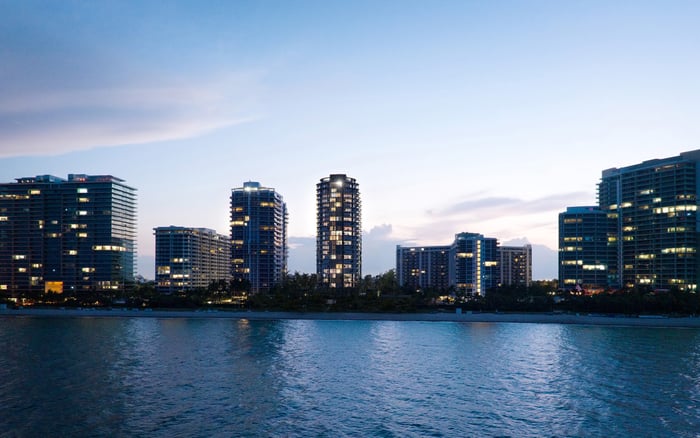
Bal Harbour’s case is rooted in restraint. It offers a coastal luxury setting that can feel removed from the intensity of Miami’s event cycle while remaining connected to it. For owners who fly in for major cultural weeks, long weekends, school breaks, or extended winter stays, that contrast is a defining advantage.
The Bal Harbour pied-à-terre is rarely about maximum nightlife density. It is about a more edited version of access. The owner can participate in Miami Beach, Brickell, the Design District, or private social calendars, then return to a quieter residential environment. That separation is especially valuable when the home is not the primary residence. A second home must work immediately, without the learning curve that often comes with a larger estate or a more management-intensive property.
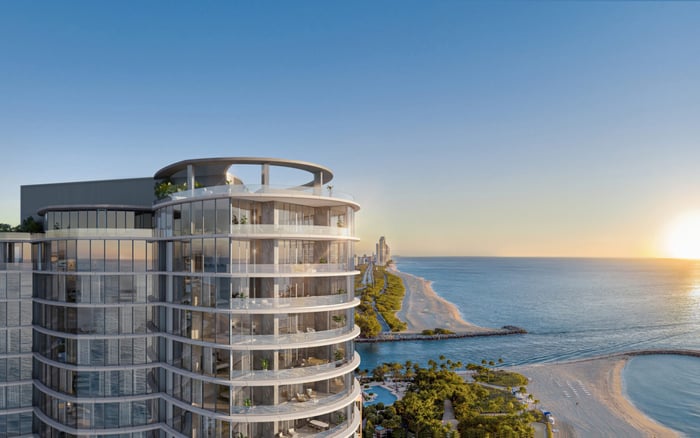
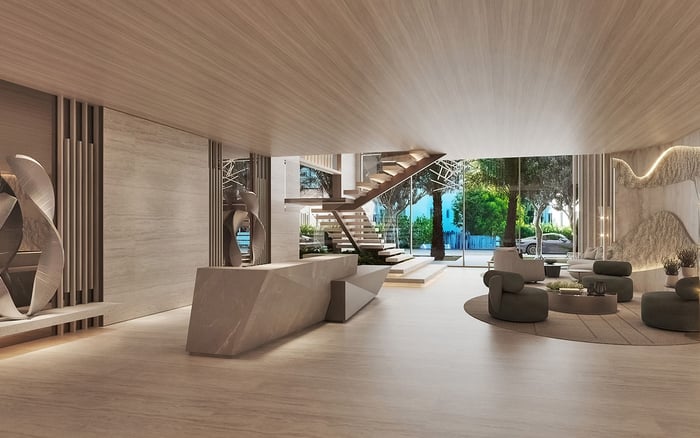
Within Bal Harbour itself, buildings such as Rivage Bal Harbour and Oceana Bal Harbour reflect why the village remains central to this conversation. They give buyers a way to think about privacy, views, services, and residential calm within a globally understood luxury enclave.
For international owners, connectivity is part of the real estate decision. Miami International Airport supports the practical side of a South Florida pied-à-terre by making shorter visits more plausible. The value of the residence rises when the owner can use it frequently, even if each stay is brief.
This is where the event calendar and the airport network intersect. A collector may arrive for art week. A family may extend a business trip into a long weekend. A founder may schedule meetings around a hospitality or design event. A Latin American or European owner may want a familiar base that does not require renegotiating hotels, staff, privacy, or logistics each time.
The strongest pied-à-terre is therefore not measured by square footage alone. It is measured by the quality of arrival. Does the building support lock-and-leave ownership? Does the plan allow guests without compromising the primary suite? Are services consistent enough that the home feels ready on short notice? Does the location reduce the emotional cost of moving through Miami during its busiest moments?
The event-driven buyer should evaluate a Bal Harbour pied-à-terre through a practical lens. First, the residence should feel complete even when used intermittently. A generous terrace, a disciplined floor plan, and strong natural light may matter more than excess rooms that sit unused. Second, building services should support a household that appears and disappears with little warning. Third, the residence should have enough privacy to host discreetly when the calendar turns social.
Investment discipline also belongs in the conversation, but it should be framed carefully. Investment is not a promise of appreciation. It is the process of choosing scarcity, livability, and durable desirability over trend. In Bal Harbour, that often means prioritizing a refined building profile, an address that will still feel composed in a decade, and a residence that can appeal to future buyers with similar global habits.
This is why the best brief is specific. A buyer attending cultural events may need different spaces than a family using the home for holiday stays. A couple flying in for weekends may value hotel-like service and immediate access more than storage. A multigenerational owner may need guest separation, staff flow, and quiet common areas. Better positioning begins with being honest about usage.
Bal Harbour is not evaluated in isolation. Its neighboring coastal and bayfront markets help define its strengths. Surfside, for instance, offers another lens on privacy, architecture, and beachfront living. A buyer comparing Bal Harbour with Surfside may look at Fendi Château Residences Surfside to understand how branded design, boutique scale, and coastal discretion can influence the decision.
Miami Beach provides a different comparison. It places an owner closer to the city’s cultural pulse, with a more direct relationship to the energy around major events. A residence such as The Perigon Miami Beach may appeal to buyers who want the event calendar to feel more immediate, while still seeking a residential environment rather than a transient hotel pattern.
Bay Harbor Islands adds another angle: quieter, more neighborhood-driven, and often compelling for buyers who want access to Bal Harbour without the same oceanfront emphasis. Projects such as The Well Bay Harbor Islands can help frame the wellness-oriented and low-key side of the pied-à-terre conversation.
The point is not that one enclave replaces another. It is that each version of access has a different emotional temperature. Bal Harbour’s advantage is its poise. It lets the owner touch Miami’s calendar without being consumed by it.
For the ultra-premium buyer, timing is often personal. Some decide after a frustrating hotel stay. Others after realizing that repeated visits have become a pattern rather than an exception. The global event calendar simply makes that pattern more visible. Once Miami becomes a recurring destination, the pied-à-terre shifts from indulgence to infrastructure.
A well-chosen Bal Harbour residence can serve as a private base, a family meeting point, and a calm counterweight to Miami’s high-profile weeks. It is not about chasing every event. It is about owning the ability to participate selectively, on one’s own terms.
That is the strongest argument for a better-positioned South Florida pied-à-terre: it turns the city’s intensity into optionality. The owner can arrive for the energy, retreat into privacy, and leave knowing the residence will be ready for the next return.
Why is Miami’s event calendar relevant to a Bal Harbour pied-à-terre? It creates recurring reasons to visit, which can make ownership more practical than repeated hotel stays for frequent global travelers.
Is Bal Harbour best suited for full-time living or seasonal use? It can support both, but its privacy and lock-and-leave appeal make it especially compelling for seasonal and intermittent use.
How does Art Basel Miami Beach influence buyer behavior? It often concentrates international attention on Miami and reminds buyers how valuable a private, ready residence can be during peak cultural moments.
Why not simply stay in a hotel during major events? A private residence offers continuity, control, wardrobe storage, privacy, and a familiar setting that hotels cannot always replicate.
What should buyers prioritize in a pied-à-terre floor plan? Look for an intuitive layout, strong primary suite privacy, flexible guest space, outdoor living, and easy maintenance.
Does Miami International Airport matter for real estate positioning? Yes. Strong air connectivity can make shorter, more frequent visits easier, which increases the practical value of ownership.
Should buyers compare Bal Harbour with Surfside? Yes. Surfside offers a useful comparison for buyers weighing privacy, architecture, beach access, and the feel of neighboring luxury enclaves.
Is a pied-à-terre mainly an investment decision? It should be both lifestyle-led and financially disciplined, with emphasis on durable desirability rather than speculation.
What makes Bal Harbour different from Miami Beach? Bal Harbour generally offers a calmer residential atmosphere, while Miami Beach places owners closer to the cultural and social pulse.
When should a buyer begin the search? Ideally before the next major travel season, so there is time to compare buildings, ownership logistics, and the true rhythm of use.
For a confidential assessment and a building-by-building shortlist, connect with MILLION.
If branded residences are on your mind — as a home or as an allocation — we would be glad to share what we are seeing, privately.
Begin a quiet conversation