Family-office conference season can sharpen the way ultra-high-net-worth buyers evaluate Midtown Miami homes, shifting attention from spectacle to liquidity, privacy, wellness, access and long-term optionality.
For families of substantial wealth, conference season is rarely just a calendar of panels and private dinners. It is a season of comparison. Advisors, principals, next-generation heirs and trusted operators move through the same rooms, absorbing how peers are thinking about mobility, privacy, tax exposure, education, security, art, hospitality and the practical deployment of capital. In that context, a luxury residence becomes more than a beautiful address. It becomes part of a family’s operating architecture.
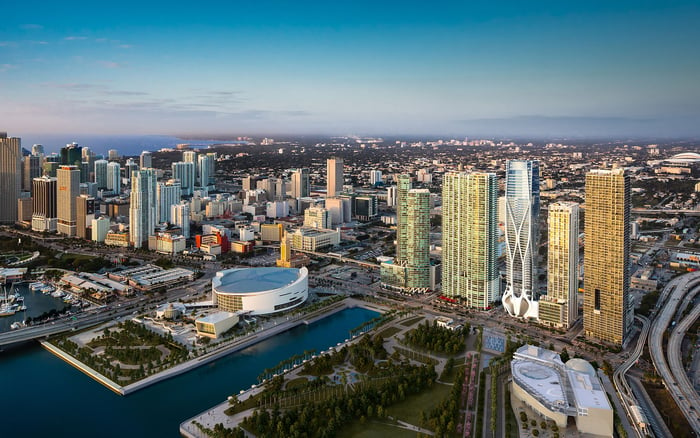
That is where Midtown Miami enters the conversation with particular force. The neighborhood sits within a broader urban fabric shaped by design, art, dining, retail and rapid access to adjacent districts. For a buyer seeking a home that can serve as a seasonal base, a family gathering point, a cultural platform and an asset with future optionality, Midtown Miami demands a more disciplined checklist.
The shift is subtle but important. Instead of asking only which view is most dramatic or which amenity deck is most elaborate, family-office influenced buyers tend to ask how a residence performs under real-life conditions. Who uses it, when and for what purpose? Can it host family without feeling formal? Does it allow privacy without isolation? Is the surrounding neighborhood strong enough to support daily life, not only weekend entertainment?
Family-office conference season can recalibrate taste. A principal may arrive with a trophy mindset and leave with a governance mindset. That does not mean compromising on architecture or finish. It means weighing the home against a broader family plan.
In Midtown Miami, this often translates into interest in residences that balance polish with ease. Buyers may favor floor plans that support multigenerational use, work-from-home discretion, wellness routines and staff coordination. Outdoor space, storage, controlled arrival, guest separation and flexible rooms become as meaningful as brand association.
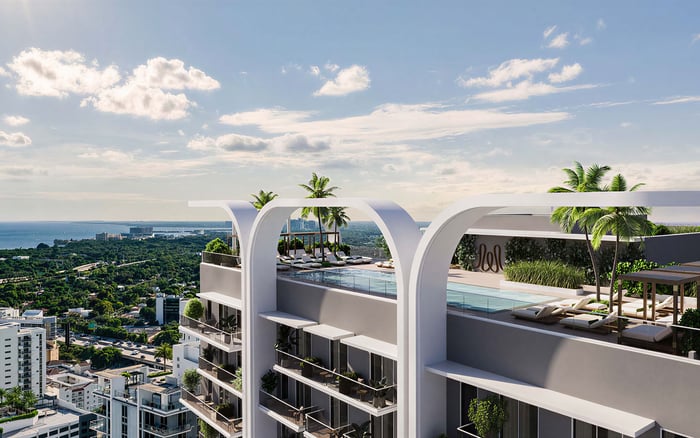
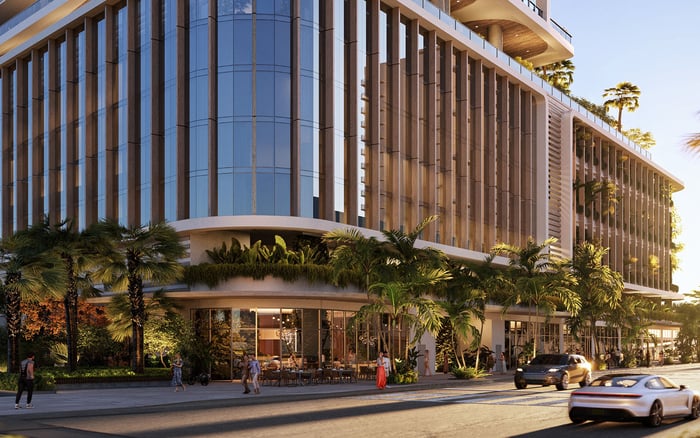
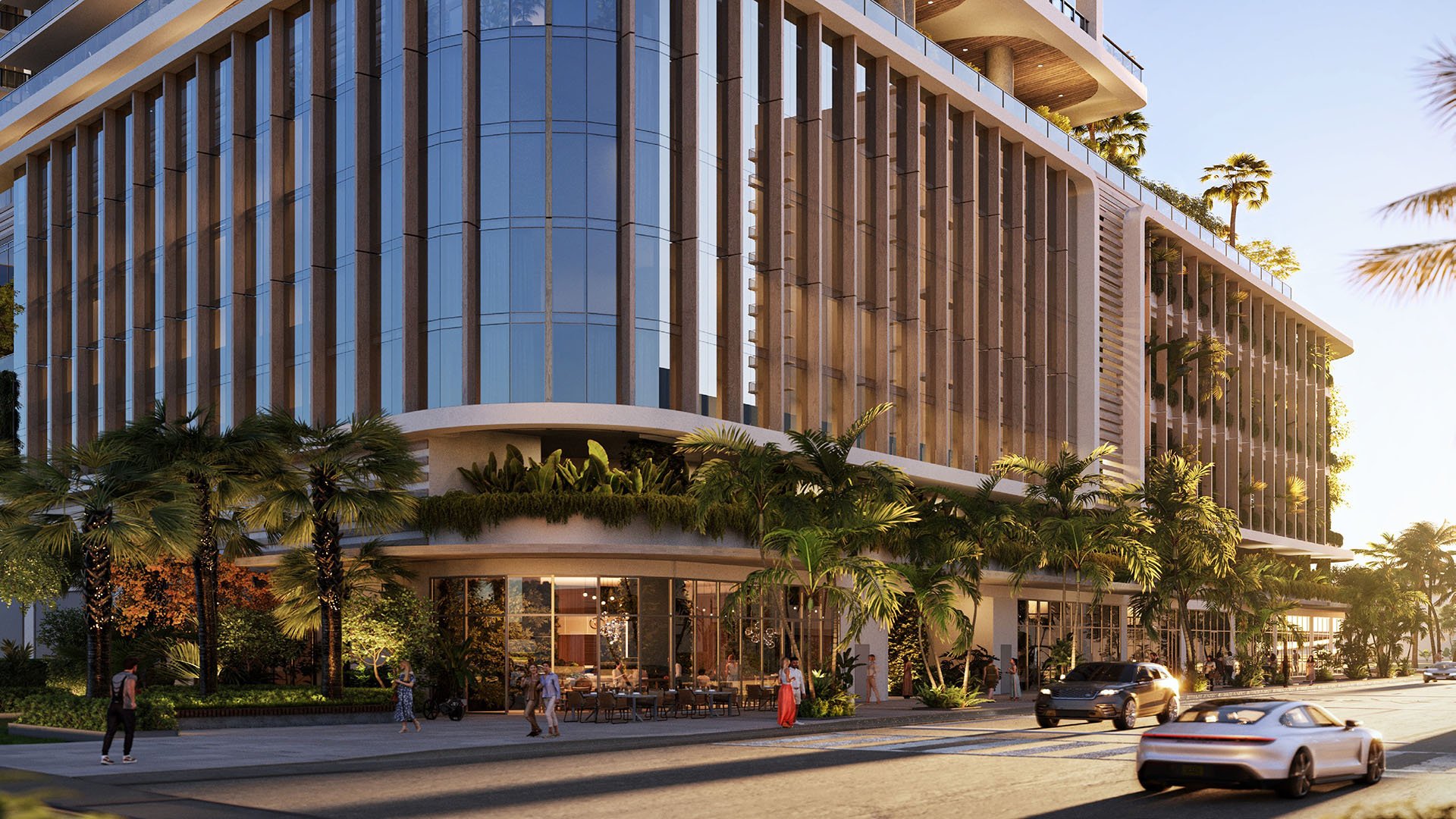
This is why a project such as Miami Design Residences Midtown Miami can fit naturally into the conversation. Its appeal is not simply that it belongs to a fashionable part of Miami. It speaks to buyers who want proximity to the city’s creative and commercial rhythm while keeping the home experience deliberate, residential and easy to use.
For many families, investment is no longer treated as a separate column from lifestyle. A residence must be loved, but it also must make sense within a larger balance sheet. That blend of personal utility and disciplined ownership is central to the way conference season can influence decision-making.
In a family-office context, convenience is not about being busy. It is about reducing friction. Midtown Miami appeals because it can offer a central lifestyle posture without forcing a buyer into a single identity. From this base, a family can move toward dining, culture, offices, waterfront neighborhoods and private appointments while maintaining a sense of urban independence.
Privacy remains essential. Buyers who spend conference season surrounded by social visibility may become more sensitive to how a building handles arrival, guest flow and daily movement. The ideal luxury home does not need to announce itself at every moment. It should allow owners to enter, entertain, recover and depart with grace.
That same thinking extends beyond Midtown. Edgewater can enter the search for buyers who want bay-facing calm near the same central energy. The Cove Residences Edgewater offers a useful comparison point for families weighing waterview living against Midtown’s cultural proximity. The point is not that one location replaces the other. It is that conference season often broadens the map, then sharpens the criteria.
Wynwood may also influence expectations. Its creative pulse can shape a buyer’s desire for authenticity, walkable dining and cultural adjacency. Even when a family ultimately chooses Midtown Miami, exposure to nearby Wynwood can reinforce the value of living near, but not necessarily inside, the city’s most active social zones.
The most sophisticated buyers are increasingly selective about amenities. They are not impressed by a long menu if the spaces do not support their actual routines. A family office may encourage the principal to consider operating costs, staffing, maintenance, access control and the long-term quality of the building community.
Wellness remains important, but the definition is becoming more grounded. A gym is useful, but recovery space, air quality, quiet circulation, outdoor respite and the ability to host a trainer or practitioner can matter more. A pool is desirable, but the privacy and rhythm of its use may determine whether it becomes part of daily life. A lounge is attractive, but only if it enhances hosting rather than creating unwanted exposure.
New-construction buyers in Midtown Miami and nearby districts may also use conference season to test assumptions. Is the home meant to be used immediately, held for future family needs, or positioned as a second-home strategy? Will adult children use it independently? Can visiting relatives stay without disrupting the principal suite? These questions are not glamorous, but they often separate a smart acquisition from an emotional purchase.
A Midtown Miami home search rarely exists in isolation. The area’s centrality invites comparison with Brickell, Downtown and Edgewater, each offering a different expression of urban luxury. Conference season can make these comparisons more rigorous because buyers are hearing how other families segment their residences by purpose.
Brickell may appeal to buyers who want financial-district energy and a more formal city address. 2200 Brickell can serve as a relevant counterpoint for those considering how close they want to be to business, dining and a denser professional ecosystem. For a family-office principal, Brickell may feel practical, while Midtown may feel culturally balanced.
Downtown can pull interest from buyers who want dramatic skyline context and proximity to civic, entertainment and waterfront connections. Nearby offerings such as Waldorf Astoria Residences Downtown Miami may help define the upper end of vertical living in the broader urban market. Comparing Downtown with Midtown can clarify whether a family values landmark presence or neighborhood ease more strongly.
Meanwhile, Miami Tropic Residences can become part of the broader Miami conversation for buyers who are not fixed on a single district but are focused on a refined residential base. The common thread is not geography alone. It is the pursuit of a home that supports family continuity, discretion and access.
Before touring residences in Midtown Miami, a family should clarify the role of the home. Is it primarily for the principal couple, for the next generation, for art-season entertaining, or for longer seasonal stays? The answer changes everything from square footage and service expectations to building culture and neighborhood fit.
Second, buyers should define their privacy threshold. Some families enjoy the energy of an active building. Others prefer quieter arrival sequences and more residential restraint. Neither answer is inherently better. The right answer is the one that matches the family’s rhythm.
Third, the advisory team should align before the emotional phase begins. Legal, tax, estate and lifestyle considerations do not need to overwhelm the search, but they should not arrive after the favorite residence has already been chosen. Conference season can be useful precisely because it reminds families that the best purchase is one that satisfies desire and governance at the same time.
Finally, buyers should remember that Midtown Miami is not merely a compromise between neighborhoods. At its best, it is a strategic base for families who want culture without chaos, access without overexposure and a home that feels relevant across generations.
Why does family-office conference season affect luxury-home priorities? It exposes principals to peer conversations about privacy, liquidity, family use and long-term planning, helping refine what they want from a residence.
Why is Midtown Miami relevant for family-office buyers? Midtown Miami offers a central lifestyle base with proximity to culture, dining and adjacent urban districts, making it useful for families seeking access and flexibility.
Should buyers focus only on Midtown Miami? Not always. Comparing Midtown with Edgewater, Brickell and Downtown can clarify whether the family values waterviews, business access, landmark presence or cultural proximity.
What home features matter most after conference season? Privacy, flexible layouts, wellness space, guest separation, storage and controlled arrival often become more important than decorative spectacle.
Is a branded residence always the better choice? Not necessarily. Brand can be valuable, but the building’s daily usability, service culture and privacy profile should drive the decision.
How should families think about amenities? Amenities should match actual routines. A shorter list of well-run, discreet spaces can be more valuable than an extensive menu that owners rarely use.
Can Midtown Miami work as a second-home base? Yes, if the residence supports seasonal living, easy access, secure arrival and comfortable hosting for family and guests.
What role does investment play in the decision? Investment should be considered alongside lifestyle, since the best residence must serve both personal enjoyment and long-term family planning.
When should advisors be involved in the purchase? Advisors should be aligned early, before an emotional favorite is selected, so legal, tax and ownership questions are addressed with discretion.
What is the best way to shortlist comparable options for touring? Start with location fit, delivery status, and daily lifestyle priorities, then compare stacks and elevations to validate views and privacy.
For a tailored shortlist and next-step guidance, connect with MILLION.
If branded residences are on your mind — as a home or as an allocation — we would be glad to share what we are seeing, privately.
Begin a quiet conversation