A disciplined buyer’s framework for evaluating Villa Miami’s wellness proposition through facilities, services, building systems, access rules and long-term operating support.

At Villa Miami, wellness, longevity and elevated living are integral to the project’s identity. Its high-end waterfront setting in Edgewater adds intuitive appeal: views, outdoor space and access to activity can make daily life more pleasurable. Yet enjoyment and measurable health outcomes are not interchangeable.
For a discerning buyer, the question is not whether the wellness story sounds compelling, but whether the building will make desirable routines easier to sustain. A useful assessment moves from language to evidence, examining physical facilities, environmental systems, resident services, recurring programming and the operating structure behind them.
Terms such as “holistic,” “biohacking,” “longevity,” “sanctuary” and “curated wellness” may express ambition. Without defined equipment, protocols, staffing and access, however, they do not establish a medically distinctive benefit. The strongest lifestyle value comes from features residents can use conveniently and consistently.
The first distinction is between a completed or contractually specified facility, a conceptual rendering and a service intended for future delivery. Buyers should request the final amenity schedule and identify which elements will be permanently installed. A fitness room, pool, spa or terrace may offer substantial practical value, but wellness terminology alone does not transform a familiar luxury amenity into a clinical intervention.
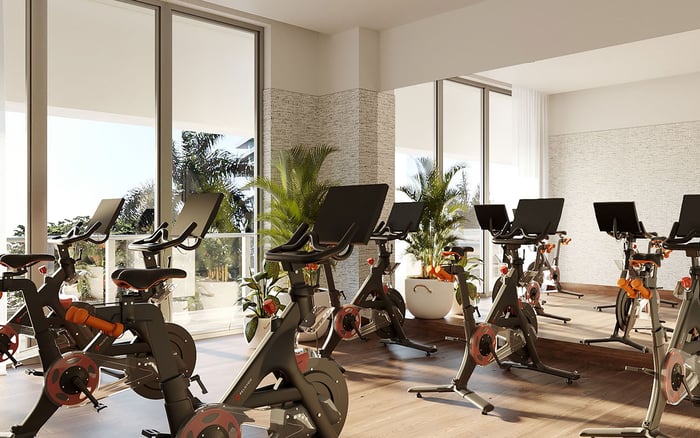
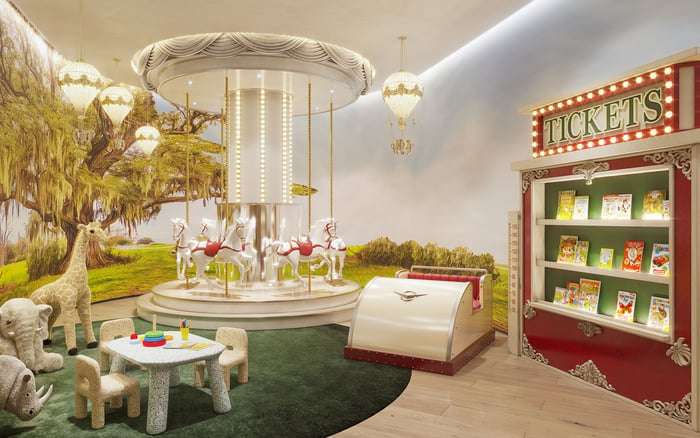
Look beyond the image of each space. Ask about dimensions, capacity, equipment, privacy, changing facilities, operating hours and reservation requirements. A beautifully rendered room may have limited utility if it is difficult to book, undersized for the resident population or unavailable when an owner expects to use it.
The same discipline is useful when comparing nearby options such as EDITION Edgewater. The comparison should not turn on which presentation uses the most sophisticated vocabulary. It should focus on what will be delivered, how residents will gain access and how the experience will function after occupancy.
Permanent improvements and ongoing services carry different risks. Installed facilities become part of the condominium’s physical offering. Classes, treatments, consultations and specialized sessions may depend on staffing, third-party contracts, demand and separate user fees.
If a wellness partnership is promoted, request the operator’s name, scope of work, contract duration and renewal provisions. Confirm whether access is reserved for residents, whether appointments are guaranteed or merely available, and which services are included in common charges. A prestigious association has limited practical meaning if its role is undefined or most experiences require additional payment.
Buyers considering wellness-forward positioning elsewhere, including House of Wellness Brickell and The Well Coconut Grove, can apply the same test. Brand identity is one layer; the resident’s actual entitlement, schedule and cost are more consequential.
Some of the most important wellness claims concern features that cannot be evaluated during a presentation. Air quality, water quality, acoustic comfort and specialized lighting require technical specifications, performance standards and maintenance protocols before their value can be meaningfully assessed.
A buyer should ask which system will be installed, what it is designed to achieve, how performance will be monitored and who will maintain it. Replacement cycles and testing procedures matter as much as the initial installation. Without those details, an environmental claim remains an aspiration rather than an auditable building characteristic.
The same restraint applies to nature-oriented benefits. A bay view, private outdoor area or convenient route to outdoor activity may enhance the experience of being at home. These are legitimate residential virtues, best valued as elements of comfort, beauty and routine rather than presented as guaranteed health outcomes.
Wellness amenities are operating businesses in miniature. Their usefulness depends on staffing, hours, reservation systems, cleaning, equipment upkeep and resident capacity. Buyers should review house rules and ask how peak demand will be managed. They should also establish whether guests may use the facilities and outside practitioners may be admitted.
The condominium budget deserves equal attention. Specialized equipment and recurring programming can create long-term costs distinct from those of conventional common areas. Determine whether the proposed budget supports staff, service contracts, consumables, repairs and replacement reserves. If an experience depends on a third party, review how the condominium would respond if that relationship ended.
These questions do not diminish Villa Miami’s appeal; they clarify it. A wellness amenity has durable value when it is convenient, properly funded and integrated into everyday ownership. Operational precision converts an attractive concept into a reliable privilege.
Before purchasing, request the final amenity schedule, technical specifications, staffing plan, fee structure, house rules and contracts for outside wellness providers. Then classify each feature as one of four types: permanent facility, environmental system, included resident service or optional fee-based offering.
Next, test frequency. Consider what you would realistically use several times a week, occasionally or never. Daily convenience often deserves more weight than visual drama. Finally, separate personal value from investment expectations. Wellness features may broaden resale appeal, but there is no independent basis here for assigning Villa Miami a specific price premium because of them.
The refined approach is neither skeptical nor credulous. It recognizes that luxury is most persuasive when promises are supported by specifications, access and stewardship.
What is the best way to assess wellness at Villa Miami? Evaluate tangible facilities, environmental systems, resident services and recurring programming, then verify how each will operate.
Do wellness terms establish measurable health benefits? No. Terms such as longevity or holistic wellness require operational detail and qualified verification before they can support measurable claims.
Why does the final amenity schedule matter? It distinguishes specified facilities from conceptual imagery and services planned for future delivery.
Are classes and treatments necessarily included? No. They may require separate fees, appointments or third-party availability, so buyers should confirm the terms.
What should buyers ask about a wellness partner? Request the operator’s identity, contract duration, resident access rules and the division between included and fee-based services.
How should air or water quality claims be reviewed? Ask for technical specifications, performance standards, testing procedures and ongoing maintenance protocols.
Do waterfront views guarantee wellness outcomes? No. Views and outdoor access can enhance enjoyment, but they should not be treated as guaranteed health results.
Which operating details matter most? Staffing, hours, reservations, capacity, guest policies, cleaning and equipment maintenance shape everyday usefulness.
Why review the condominium budget? The budget indicates whether specialized equipment, programming, service contracts and long-term upkeep are adequately supported.
Can wellness amenities command a resale premium? They may support buyer appeal, but no specific price premium at Villa Miami can be established from the available facts.
For a discreet conversation and a curated building-by-building shortlist, connect with MILLION.
If branded residences are on your mind — as a home or as an allocation — we would be glad to share what we are seeing, privately.
Begin a quiet conversation