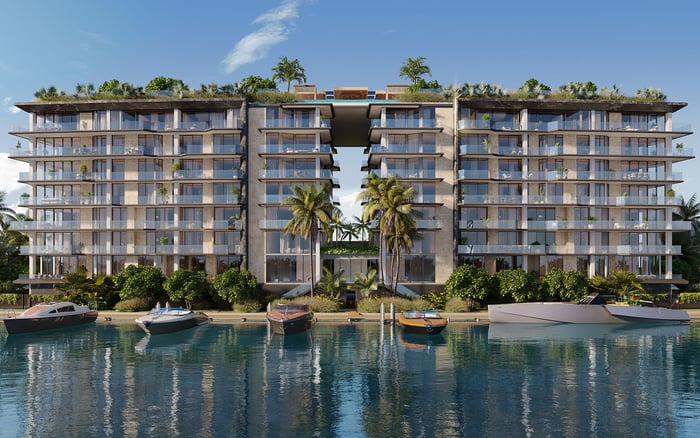
Miami Tropic and Frida Kahlo Wynwood present different starting points for family living. Bedroom layouts, caregiver permissions, school routes and delivery schedules deserve closer scrutiny than amenity descriptions alone.
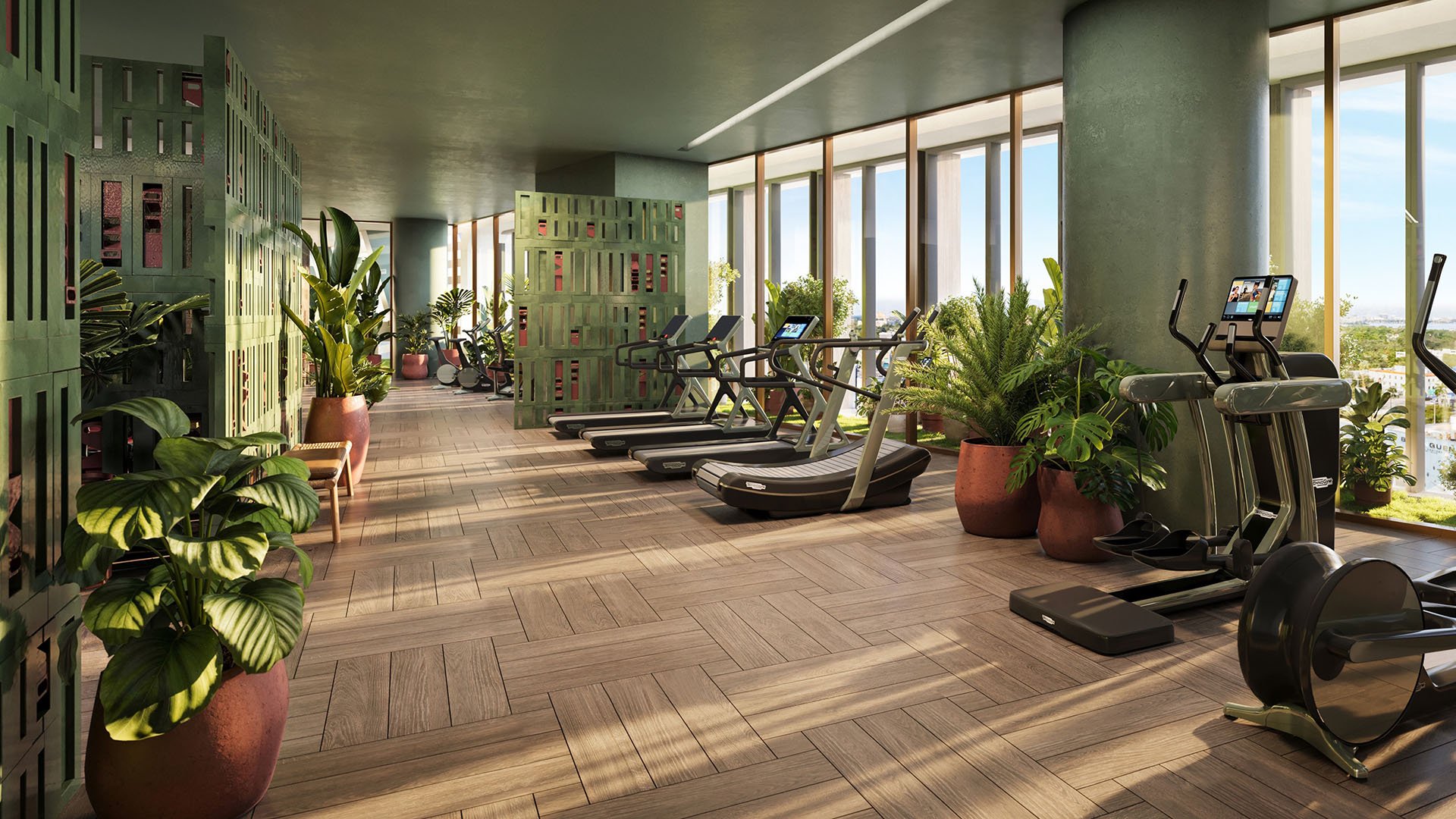
For a family purchasing in Miami, luxury is partly the ability to make an ordinary weekday feel effortless. A residence must accommodate breakfast, school departures, a caregiver’s arrival, quiet work and bedtime without forcing the household to renegotiate its space each day.
Miami Tropic Residences and Frida Kahlo Wynwood Residences bring different proposed features to that conversation. One offers a published range of one- to four-bedroom residences and advertised private or semi-private elevators. The other combines furnished residences, associated office suites and planned concierge primary care. Neither proposition, on its own, establishes suitability for a particular family.
The useful comparison is not which development deserves a family-friendly label. It is which specific residence, operating rules and location can support your household’s routines-with the important assumptions confirmed before commitment.
Planned with 329 residences in Midtown Miami, Miami Tropic Residences is positioned at the crossroads of Midtown and the Design District, with access to nearby Wynwood. Published inventory spans one through four bedrooms, giving buyers a starting point for separating children’s rooms, workspace and potential caregiver accommodation.
Bedroom count is only the first filter. Request dimensioned plans and place the household’s actual furniture within them. Consider whether a child can sleep while adults entertain, where school bags and strollers will go, and whether a proposed caregiver bedroom offers appropriate privacy and bathroom access. A spare room may suit that arrangement, but permitted occupancy still requires confirmation.
Advertised open plans, high ceilings, floor-to-ceiling windows and spacious glass-railed balconies establish a design vocabulary, not a complete family assessment. Review storage, window and balcony safeguards, and permitted modifications. Kitchens marketed as inspired by Jean-Georges deserve the same practical scrutiny: preparation space and circulation matter alongside presentation.
Private and semi-private elevators warrant particular attention. Ask which configuration serves the selected residence, how visitors gain access, and whether a caregiver can enter independently when parents are absent. Elevator privacy alone does not establish staff permissions, stroller convenience or the route from parking to the front door.
At Frida Kahlo Wynwood Residences, plans call for 244 residences across buildings of eight and 14 stories at 119 NW 29th Street. Fully furnished layouts range from studios to three bedrooms, with published sizes of approximately 400 to 1,170 square feet.
For family buyers, those dimensions make a furniture-level review essential. Confirm the selected unit’s usable layout, circulation around beds, storage capacity and room for dining or homework. Furnishing can simplify setup, but the proposed package should be tested against daily use-not treated as proof that every household need is met.
Plans also describe office suites of approximately 71 to 170 square feet associated with about 206 residences. That space may support work or household administration, subject to its location and permitted use. Establish whether the suite is included with the selected residence, how it is accessed and what rights attach to it. An office suite is not automatically a legal sleeping room or approved overnight staff accommodation.
Neither project’s advertised features establish a complete caregiver-access policy. Before purchase, distinguish among a daytime nanny, an occasional babysitter, a visiting relative and a live-in employee. Ask how the proposed rules treat each arrangement rather than assuming all carry the same privileges.
The questions should follow an actual shift. How does the caregiver arrive and park? Who authorizes entry? Can credentials be limited by time or revoked remotely? Which elevators and amenities may the caregiver use while accompanying a child? What happens if the parent is away or a substitute arrives?
Request written clarification on guest registration, overnight stays, staff occupancy, parking charges and emergency contacts. Identify which provisions are contractual and which remain proposed operating practices. A sales conversation is useful for orientation; it should not be the sole foundation for a household staffing plan.
Neighborhood appeal and school access are separate decisions. Do not translate proximity on a map into a dependable morning routine, or assume a residential address creates an admissions advantage, shuttle entitlement or school partnership.
Test the exact campus route during arrival and dismissal. Include the journey from the residence to the vehicle, the garage exit, the drop-off queue and the caregiver handoff. Repeat the exercise for after-school activities and consider event-day traffic. A family with children at different campuses needs to assess the combined schedule, not two isolated drives.
If the broader search includes Cora Merrick Park, apply the same campus-specific test rather than assuming another address resolves the journey. Compare properties against the same school-day requirements, and confirm admissions and authorized-pickup procedures directly with each school.
Frida Kahlo’s planned 5,000-square-foot Baker Health wellness center introduces a potentially relevant service for households evaluating convenience. The offering includes concierge primary care, membership-based services and 24-hour doctor chat. That digital access should not be read as round-the-clock, in-person medical staffing.
Clarify pediatric eligibility, appointment hours, urgent-care scope, chronic-condition support, caregiver eligibility, membership costs and included benefits. Until those details are established, the health offering should complement-not replace-planning for the family’s existing clinicians and emergency needs.
Advertised pool, fitness and thermal amenities likewise require questions about age restrictions, supervision and caregiver access. Separately, Frida Kahlo’s advertised short-term rental flexibility warrants review of governing restrictions, guest registration and amenity rules. It does not establish actual turnover, noise levels or occupancy patterns. Nor does this comparison establish Miami Tropic’s owner-occupancy profile or either development’s comparative safety.
Published completion targets for Frida Kahlo have differed between 2028 and 2029. Neither date should become the unqualified anchor for school enrollment, a lease termination or a caregiver’s relocation. Review the contractual delivery provisions and maintain a housing contingency that can support the school calendar.
Treat both projects’ layouts, amenities, pricing and policies as proposed or advertised until confirmed in current offering documents. For Miami Tropic, also confirm the exact site address and intended arrival point before testing routes, since published address references differ.
The final comparison should pair each household requirement with a document, plan or written answer. Keep unresolved items visible: a permitted sleeping room, independent caregiver entry, workable school journeys and a credible move-in contingency. The better fit is the residence that satisfies those requirements, not simply the one with the more persuasive presentation.
For a discreet conversation about aligning a Miami residence with your family’s priorities, connect with MILLION.
If branded residences are on your mind — as a home or as an allocation — we would be glad to share what we are seeing, privately.
Begin a quiet conversationMiami Tropic’s published inventory ranges from one to four bedrooms, while Frida Kahlo’s layouts range from studios to three bedrooms. Actual suitability depends on the selected plan, dimensions and permitted use.
No—private and semi-private elevators are advertised, but caregiver credentials, elevator permissions and independent entry require written confirmation.
An office suite is not automatically a legal sleeping room or permitted staff accommodation. Confirm its approved use and the rights associated with the selected residence.
Published sizes range from approximately 400 to 1,170 square feet. Review the specific unit’s dimensions and furniture arrangement rather than relying on bedroom count alone.
No school partnership, admissions advantage or shuttle entitlement is established here. Confirm school arrangements directly rather than assuming they accompany ownership.
Test the exact campus route during arrival and dismissal, including garage departure, queues and caregiver handoffs. Also account for after-school activities and event-day traffic.
The advertised offering includes membership-based services and 24-hour doctor chat, not an established promise of continuous in-person staffing. Pediatric services, costs and eligibility require confirmation.
Advertised short-term rental flexibility makes rental restrictions, guest registration and amenity rules important review items. It does not establish actual noise levels or guest turnover.
Published targets have differed between 2028 and 2029. Review the contractual delivery schedule and retain a housing contingency before tying the move to school enrollment.
Ask separately about daytime caregivers, occasional babysitters, visiting relatives and live-in staff. Obtain written clarification on credentials, parking, overnight occupancy and amenity access.