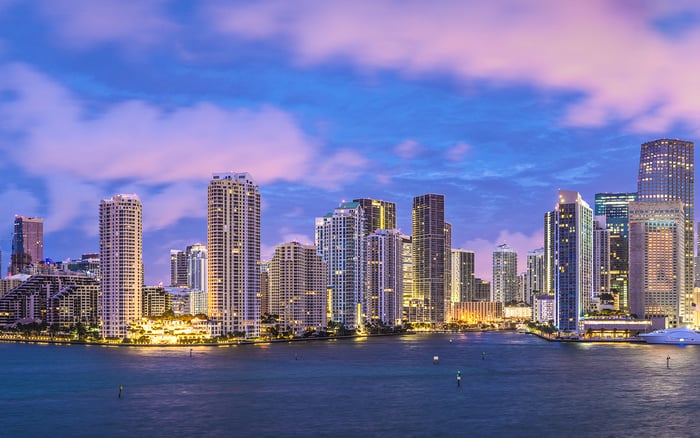
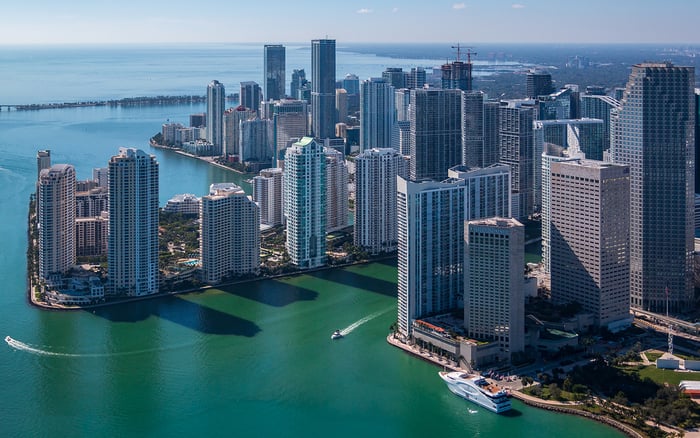
Waldorf Astoria Residences Downtown Miami sits at the center of Downtown Miami’s hotel-backed residence conversation, pairing global hospitality identity with a skyline-defining presence and a service-rich urban living proposition.
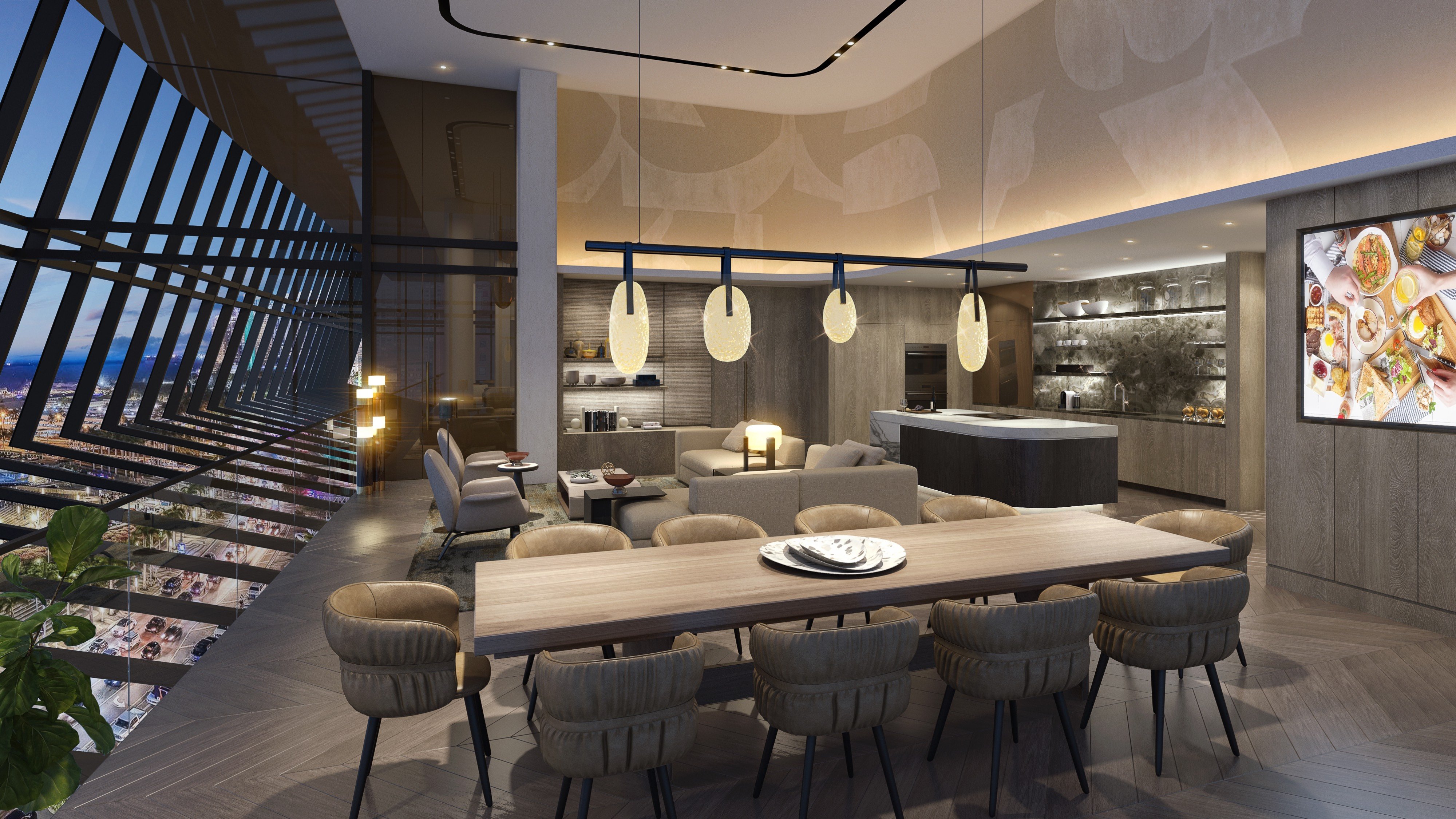
Downtown Miami has always had the foundations of a global city center: Biscayne Bay, cultural venues, finance, transit, dining, and a skyline in constant revision. What has changed is the residential expectation. The buyer evaluating Downtown today is not simply comparing floor plans and views. That buyer is weighing service, brand confidence, architectural identity, and whether a home can function with the ease of a private hotel suite.
That is where Waldorf Astoria Residences Downtown Miami becomes especially important. Positioned as a hotel-backed residential project in Downtown Miami, its relevance extends beyond another high-end condominium launch. The project pairs the Waldorf Astoria hospitality brand with private branded residences, making hotel identity and service culture central to the offering rather than peripheral amenities.
For luxury buyers, that distinction matters. A building can be branded through design, fashion, art, or lifestyle association. A hotel-backed residence carries a more specific implication: a globally recognized hospitality standard shaping how the property is perceived and experienced. In Downtown, where the market is maturing quickly, that operational promise has become part of the value conversation.
The South Florida market has become fluent in branded real estate. Buyers understand the appeal of a name, a design language, and an identity that travels well across international circles. Yet hotel-backed residences occupy a more defined niche. They do not simply borrow prestige. They suggest a living environment where hospitality is embedded into the residential experience.
Waldorf Astoria’s role in Downtown Miami is therefore less about signage and more about positioning. The name adds global brand recognition, a key part of the project’s appeal to international and high-net-worth buyers. The deeper story is the blending of private condominium ownership with the expectations of hotel hospitality. That is the model drawing attention from buyers who want a turnkey, service-rich home without sacrificing privacy or permanence.
This is also why the project reads differently from non-branded luxury condos. Many top-tier buildings offer impressive amenities, polished common spaces, and strong design credentials. A hotel-backed model adds another layer: the association with an integrated hospitality flag. In a market where buyers may split time between cities and continents, that layer can become a practical advantage as well as a prestige marker.
Waldorf Astoria Residences Downtown Miami is framed as a skyline-defining tower, giving it significance beyond a typical luxury residential project. For Downtown, that matters symbolically. The building is not merely participating in the neighborhood’s evolution. It is helping define how that evolution is seen from the water, from Brickell, and from the broader city.
Its architectural profile is a major differentiator within Downtown Miami’s growing branded-residence landscape. In a skyline where height alone is no longer enough to separate one tower from another, form becomes part of the narrative. A recognizable silhouette supports the project’s position as a benchmark for design ambition and brand cachet.
This architectural visibility also affects buyer psychology. A residence in a skyline-defining tower is not only a private home. It is a point of arrival, a conversation piece, and a marker of participation in Miami’s next vertical chapter. That is why the project’s significance is both residential and symbolic: it signals Downtown Miami’s ability to host globally branded, design-forward luxury towers.
For years, Downtown was understood primarily as Miami’s commercial, civic, and cultural center. It had energy, infrastructure, and bayfront views, but it did not always command the same residential cachet as Miami Beach, Coconut Grove, or the prime waterfront corridors of Brickell. That perception is changing.
Waldorf Astoria Residences Downtown Miami helps shift Downtown’s image toward a luxury residential and hospitality district. Its Downtown location supports the appeal for buyers who want urban living with a strong connection to Miami’s waterfront lifestyle. That combination is especially powerful: city-center convenience, a global hotel flag, and a visual relationship with the bay.
Other Downtown and nearby projects reinforce the depth of the buyer set. A client considering Aston Martin Residences Downtown Miami may be drawn to design-led automotive identity, while Casa Bella by B&B Italia Downtown Miami speaks to Italian interiors and urban sophistication. Waldorf Astoria adds a different note to that mix: hotel-backed prestige with skyline symbolism.
The result is a more nuanced Downtown. It is no longer only a place to work, attend events, or pass through on the way to the beach. It is becoming a serious primary and secondary-home market for buyers who want a serviced urban address without giving up Miami’s water-facing lifestyle.
Downtown Miami does not compete in isolation. Its luxury residential buyer is often also looking at Brickell, Edgewater, and Miami Beach. Each district offers a different rhythm. Brickell has financial-district energy and a dense high-rise lifestyle. Edgewater brings a waterfront residential tone just north of the core. Miami Beach offers resort atmosphere and coastal prestige.
Waldorf Astoria Residences Downtown Miami gives Downtown a stronger voice in that comparison. Against Brickell, it emphasizes skyline identity and hotel-backed living within the civic and cultural center. A buyer cross-shopping Baccarat Residences Brickell may be comparing two expressions of global luxury, one rooted in Brickell’s polished urban intensity and the other in Downtown’s symbolic vertical statement.
Against Edgewater, Waldorf’s Downtown location and skyline framing become points of distinction. Projects such as EDITION Edgewater demonstrate how service, lifestyle, and waterfront orientation are shaping buyer expectations across the urban bayfront. Waldorf extends that conversation into the core of Downtown, where visibility and hospitality branding converge.
This competition is healthy for Miami. It raises expectations around amenities, service, design, and long-term brand stewardship. It also clarifies that buyers are no longer choosing simply between neighborhoods. They are choosing between ways of living.
For buyers, the key question is not whether hotel-backed residences are fashionable. The question is whether the model aligns with their lifestyle. Waldorf Astoria Residences Downtown Miami will appeal most to those who value recognizable hospitality, a service-rich environment, and a home that can hold its identity in a global portfolio.
The project also serves as a benchmark for Downtown Miami expectations, amenity standards, design ambition, and brand cachet in the hotel-backed residence category. That does not mean every buyer will prioritize the same factors. Some will value views above all. Others will focus on privacy, building identity, or the convenience of a turnkey residential environment.
The larger point is that Waldorf gives Downtown a more complete luxury vocabulary. It brings together new-construction ambition, urban living, international recognition, and a hotel-backed residential premise. For a market increasingly defined by discerning, mobile buyers, that combination is precisely why the project occupies such an important place in the conversation.
Why is Waldorf Astoria Residences Downtown Miami important to Downtown? It positions Downtown as a serious setting for globally branded, hotel-backed luxury living. Its skyline presence also gives the neighborhood symbolic weight.
Is this a branded condo or a hotel-backed residence? It is positioned as a hotel-backed residential project tied to the Waldorf Astoria hospitality brand. That makes service identity central to the value proposition.
Why does the Waldorf Astoria name matter to buyers? The name carries global recognition that resonates with international and high-net-worth buyers. It also supports confidence in the project’s hospitality-driven positioning.
What makes the architecture distinctive? The tower’s architectural profile gives it a recognizable presence within Downtown Miami. Its skyline framing adds symbolic significance.
How does the Downtown location affect the project’s appeal? The Downtown setting supports demand from buyers seeking urban living with access to Miami’s cultural, business, and waterfront lifestyle. That combination is central to the luxury conversation.
How does it compare with Brickell options? Brickell offers dense financial-district energy, while Waldorf emphasizes Downtown’s skyline identity and hotel-backed living. Both speak to global urban buyers.
Why is Downtown gaining luxury momentum? Downtown is moving beyond its commercial and civic identity toward a residential and hospitality-driven district. High-profile branded towers are accelerating that shift.
Who is the likely buyer for this type of residence? The likely buyer values service, privacy, brand recognition, and a turnkey home. Many will also care about international identity and long-term prestige.
Does hotel-backed living replace traditional amenities? No. It adds a hospitality layer to the amenity conversation. The distinction is the role of service culture and brand standards in daily ownership.
What should buyers evaluate before choosing this category? Buyers should consider whether the hospitality model, building identity, and Downtown location fit their lifestyle. The best choice depends on how they plan to live in Miami.
If you'd like a private walkthrough and a curated shortlist, connect with MILLION.
If branded residences are on your mind — as a home or as an allocation — we would be glad to share what we are seeing, privately.
Begin a quiet conversation