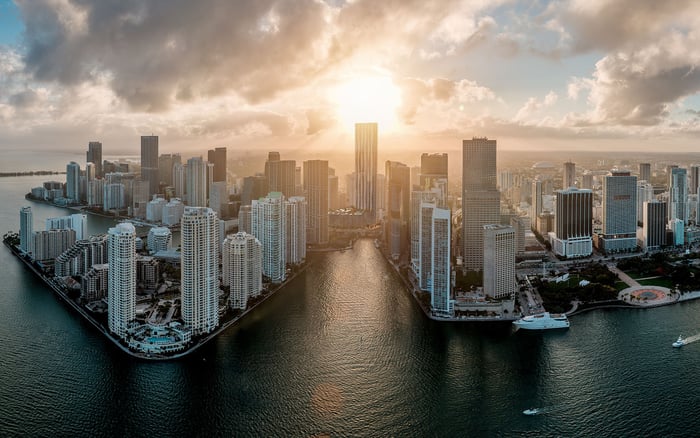
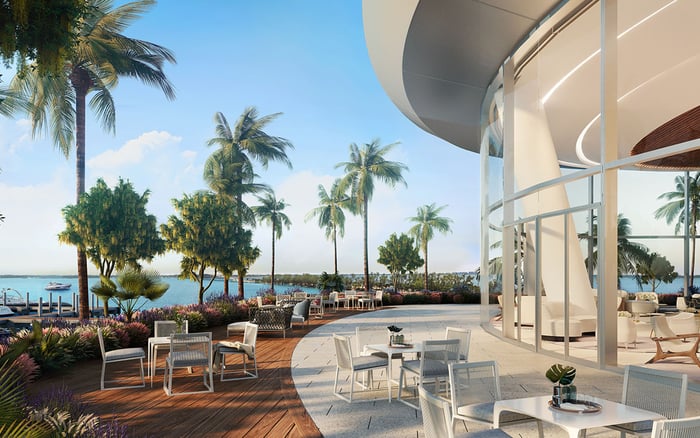
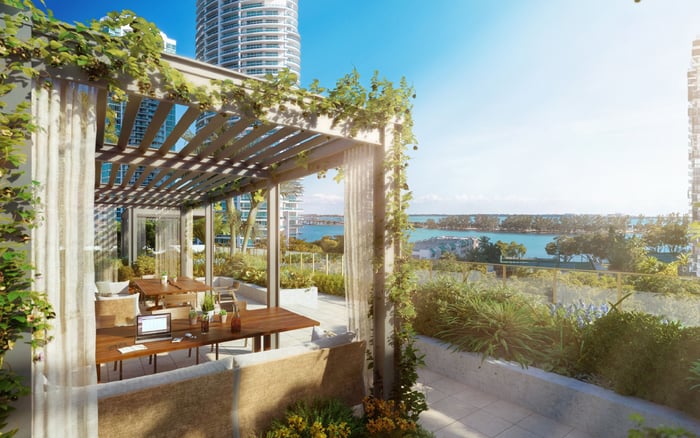
A buyer-focused look at how Miami’s yachting culture can influence luxury-home priorities around the Miami Design District, from storage and arrival sequences to marina access, entertaining, privacy, and design-forward new construction.
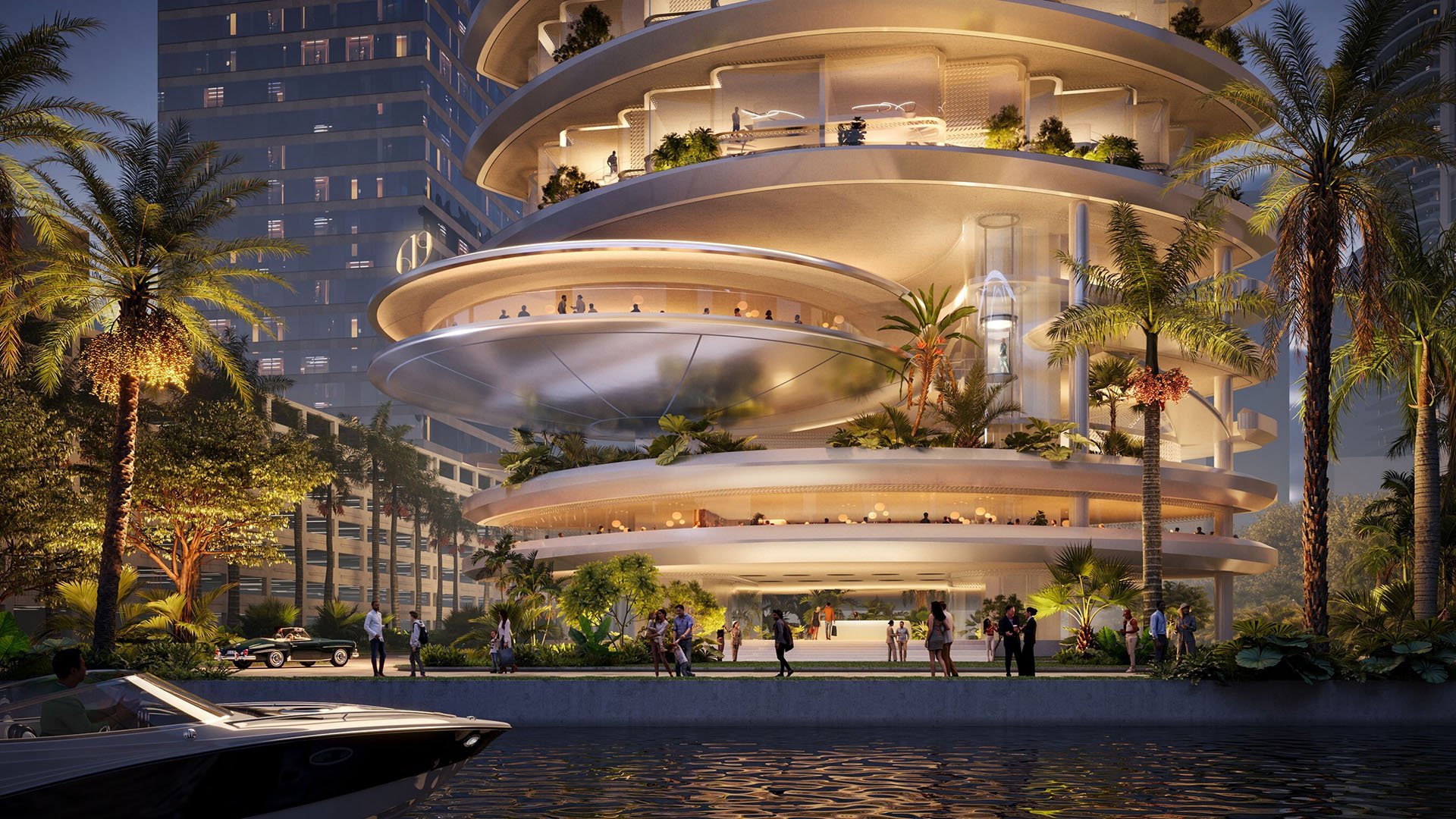
The Miami International Boat Show is more than a calendar moment for yacht owners. For a luxury-home buyer considering the Miami Design District, it can become a practical filter for how a residence should function. The conversation is not only about boat ownership. It is about movement, service, discretion, storage, entertaining and the ability to move smoothly between cultural life, waterfront leisure and private retreat.
That distinction matters. The Design District is defined by design literacy, dining, galleries, fashion and a highly curated urban tempo. A buyer drawn to this neighborhood may not need a home directly on the water, yet Boat Show thinking can sharpen the checklist. Instead of asking only whether a residence has a beautiful lobby or a dramatic view, the stronger question is how well the home supports a lifestyle that may include tenders, captains, weekend guests, marine gear, art events and frequent arrivals from multiple parts of the city.
Yachting-minded buyers tend to be especially sensitive to arrival. A home that feels glamorous but complicated can lose its appeal quickly. In and around the Design District, the most valuable residences make movement feel composed: intuitive valet choreography, protected drop-offs, easy rideshare access, private elevator experiences where available and clear separation between public energy and residential calm.
This is where nearby urban-luxury projects can become part of the decision set. Kempinski Residences Miami Design District speaks to buyers who want a residential base close to the neighborhood’s design and hospitality language, while still thinking carefully about privacy and service. For a buyer who spends Boat Show week moving between appointments, dinners and the water, the right building is not simply close to the action. It absorbs the action elegantly.
Boat ownership and boat-adjacent living create an unusual storage profile. Even when a yacht is kept elsewhere, residents may need room for luggage, performance apparel, dive items, weather gear, children’s equipment and entertaining supplies. In this context, closet volume, utility rooms, owner’s storage and service corridors become luxury features rather than background details.
A Design District residence should not feel like a compromise between aesthetics and practicality. The best homes allow a buyer to maintain a polished interior while keeping the operational parts of life out of view. That is especially true for collectors and frequent hosts. When the home is used before and after a day on the water, the transition from casual marine life to an evening in the district should feel natural, not improvised.
Marina access can shape the map, but it does not always require living directly above the dock. Some buyers will prioritize a dedicated boat-slip arrangement elsewhere. Others will value a short drive to waterfront departure points while keeping their primary residence closer to the Design District’s cultural core. The central question is not only distance. It is the reliability of the route, the ease of guest coordination and the ability to return home without sacrificing the city-facing lifestyle that made the neighborhood attractive in the first place.
This is why Edgewater often enters the conversation. Projects such as EDITION Edgewater and Villa Miami can appeal to buyers who want to remain connected to the urban center while keeping Biscayne Bay visually and emotionally close. For some, that balance is more compelling than a purely resort-style address. Marina adjacency, in this sense, becomes one layer of a broader living strategy.
Boat Show energy often reveals how a buyer truly entertains. Some prefer intimate dinners after a day of appointments. Others host visiting friends, clients or family in a more formal rhythm. A luxury residence near the Design District should support both. That means generous living rooms, terraces with usable depth, kitchens that can handle catering, powder rooms positioned with discretion and guest suites that feel independent rather than secondary.
The Miami Beach lifestyle is often associated with open-air leisure, but Design District buyers may seek a more edited version of that experience. They want the atmosphere of resort living without losing the sophistication of a design neighborhood. The home must hold both registers: relaxed after the water, composed before dinner, quiet when the week becomes demanding.
Yachting weekends are pleasurable, but they are also active. Sun, motion, late dinners and travel can make wellness infrastructure more important than it appears during a standard showing. Buyers should examine the quality of fitness spaces, spa programming, pools, recovery areas, shaded outdoor rooms and the privacy of residential amenities.
This is where new-construction residences often have an advantage, because newer buildings can be planned around contemporary expectations for wellness, service and flexible work. A buyer comparing the Design District with Brickell may also look at Baccarat Residences Brickell for a more tower-oriented expression of hospitality-led living. The point is not that one neighborhood replaces another. It is that Boat Show priorities can clarify which amenities are ornamental and which are genuinely useful.
A buyer attracted to the Design District is unlikely to be persuaded by generic luxury. Materials, lighting, proportions and art walls matter. So do acoustic privacy, ceiling height, circulation and the way natural light behaves throughout the day. Boat Show season can amplify the desire for spectacle, but a primary or second home must remain livable when the event energy fades.
For internationally minded buyers, The Residences at Mandarin Oriental, Miami may represent another version of refined service and waterfront-oriented living within the broader Miami luxury map. The lesson for Design District shoppers is to compare not only finishes, but temperament. The best residence should feel confident enough to be quiet.
Before touring, buyers should define the role the home will play. Is it a cultural pied-a-terre, a seasonal base, a family residence, or a host residence for yacht-centered weekends? Each answer changes the priority order. A pied-a-terre may emphasize lock-and-leave service. A family residence may need storage, schools, staff flow and multiple parking solutions. A host residence may need larger entertaining areas and guest privacy.
The most strategic approach is to walk the building the way life will actually unfold. Arrive with luggage. Imagine guests coming from the water. Consider where damp items go, how catering enters, where the driver waits, how children or pets move through the building and whether the primary suite truly offers decompression. In the Design District, beauty is expected. The differentiator is whether beauty has been organized into daily ease.
Does a Design District buyer need a waterfront home to enjoy yachting culture? No. Many buyers may prefer a design-focused urban base with convenient access to the water rather than a residence directly on the marina.
What is the first home feature to evaluate after Boat Show week? Arrival flow is often the most revealing. Valet, privacy, elevator access and guest circulation can shape the daily experience.
Is a boat-slip essential for every luxury buyer? Not necessarily. It matters most for owners who want direct or highly controlled marine access as part of their regular routine.
Why does storage matter so much for boat-oriented living? Marine gear, luggage, seasonal clothing and entertaining supplies can quickly overwhelm a beautiful residence if storage is limited.
How does Edgewater compare with the Miami Design District? Edgewater can offer a stronger bay-facing sensibility, while the Design District emphasizes culture, design, dining and urban proximity.
Should Brickell be considered by the same buyer? Yes, Brickell may appeal to buyers who prioritize a denser financial and hospitality setting alongside luxury tower services.
What makes new-construction attractive in this context? New-construction can better align with current expectations for wellness, service, privacy, technology and flexible living.
Does the Miami Beach lifestyle influence Design District purchases? Yes, buyers often borrow the open-air, leisure-driven mindset while choosing a more design-centric residential environment.
What should second-home buyers prioritize? They should focus on lock-and-leave service, secure parking, storage, staff coordination and a calm return after social events.
What is the best way to shortlist comparable options for touring? Start with location fit, delivery status, and daily lifestyle priorities, then compare stacks and elevations to validate views and privacy.
For a discreet conversation and a curated building-by-building shortlist, connect with MILLION.
If branded residences are on your mind — as a home or as an allocation — we would be glad to share what we are seeing, privately.
Begin a quiet conversation