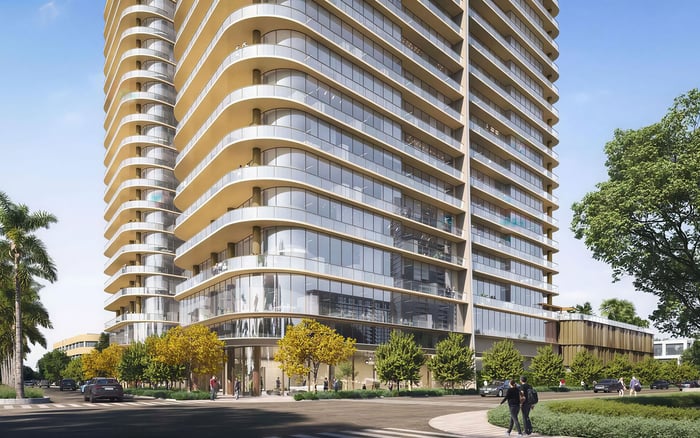
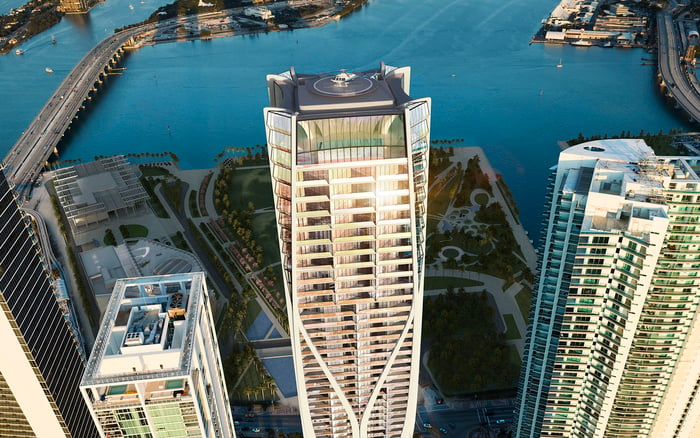
For yacht owners, a Miami Design District condo search should consider vessel compatibility, documented dock rights, berth availability, and the practical connection between the residence and marina.
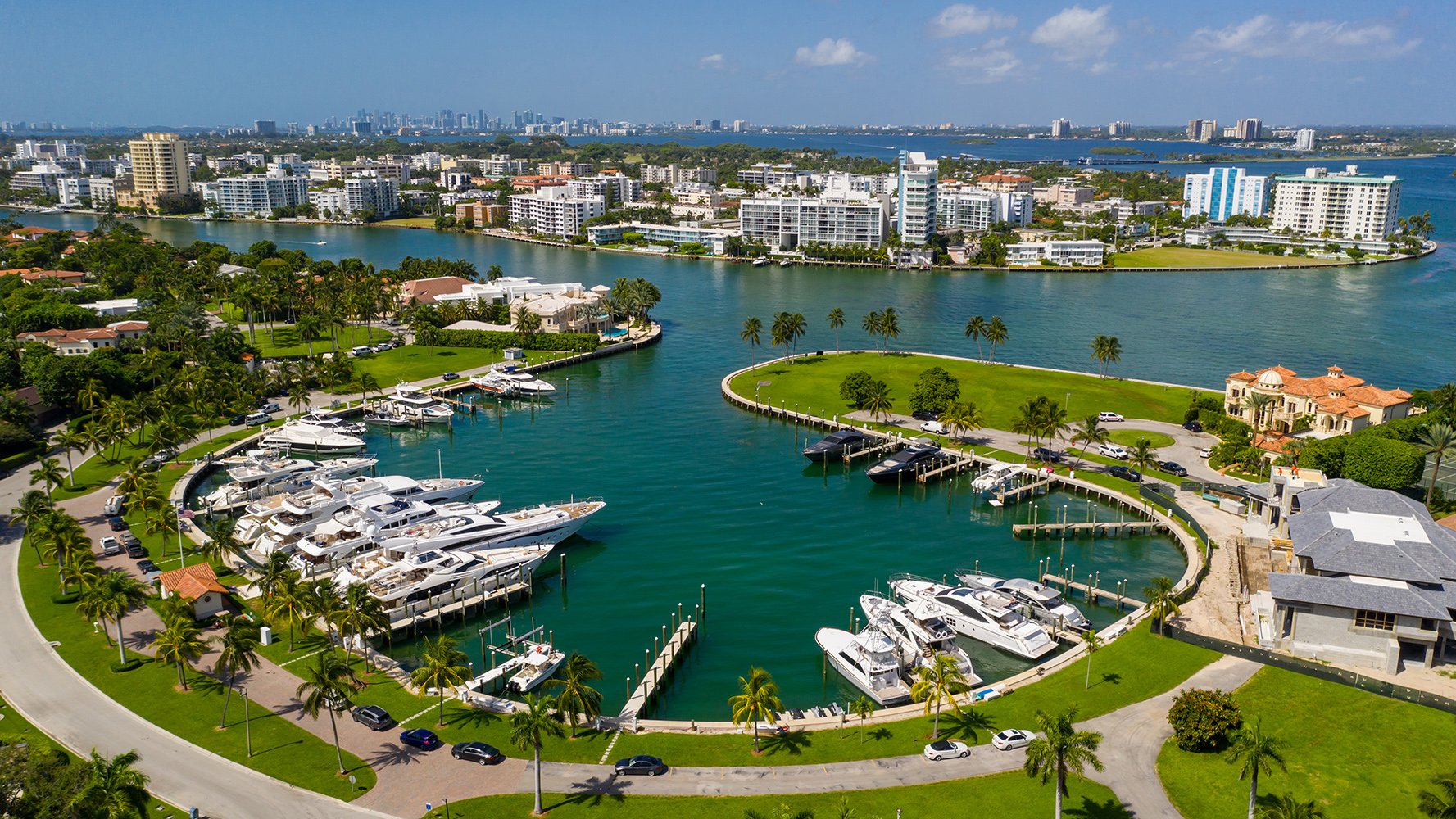
Yacht ownership changes the priorities of a luxury condo search. In the Miami Design District, architecture, privacy, service, and proximity to galleries and dining may shape the residential decision, while the vessel creates a separate set of operational requirements. The search should account for dockage, navigability, security, marina eligibility, and travel time between home and boat.
An inland address can still suit this lifestyle when the residence and berth are evaluated as one system. A home at Kempinski Residences Miami Design District or Miami Tropic Residences may be considered alongside independently arranged marina storage. This approach allows buyers to weigh the Design District experience without overlooking the yacht's requirements.
A marina designation does not establish whether a particular berth will work for a particular yacht. Buyers should examine vessel length, draft, channel depth, bridge clearance, turning space, and access to suitable water and electrical service.
A technical brief prepared before property tours can identify the yacht's dimensions, utility needs, preferred security conditions, service expectations, and route constraints. This helps prevent a residence from advancing through due diligence when the available boating arrangement cannot support the vessel.
Berth availability also requires direct confirmation. Buyers should ask about current availability, waitlists, assignment procedures, permitted vessel profiles, and eligibility rules for owners, residents, and renters.
Dockage can be structured in different ways, including a deeded interest, an exclusive-use assignment, a lease, or a separate agreement with an off-site marina. Each arrangement should be evaluated for control, cost, duration, transferability, and resale implications.
The purchase contract and governing documents should identify what is included with the residence. Buyers should also review fees, insurance obligations, maintenance responsibilities, assessments, guest access, staffing, security, operating rules, and transfer restrictions with appropriate legal and marine advisers.
Requiring the condo and yacht to occupy the same property may unnecessarily narrow a Design District search. A more flexible strategy separates the residential address from the marine address and then evaluates how conveniently and reliably the two work together.
A buyer might compare an Edgewater residence such as Aria Reserve Miami with a Downtown Miami option such as Aston Martin Residences Downtown Miami while exploring dockage independently. The practical comparison should include route constraints, travel time, security, access rules, service needs, and the dependability of the marina arrangement.
Waterfront living, water views, and usable yacht access should be assessed as distinct attributes. A residence can offer one or two of these qualities without providing all three.
Before committing, request written confirmation of berth availability, legal rights, dimensions, depth, clearances, utilities, operating rules, fees, and transfer terms. Confirm relevant details with the condominium association, developer, marina operator, and appropriate legal and marine advisers. Any published specifications should be treated as preliminary because conditions and availability can change.
The strongest search strategy evaluates the residence and berth with equal discipline. The home should support the owner's private, cultural, and social priorities, while the dockage arrangement should accommodate the yacht without avoidable operational friction.
Does a waterfront condo automatically include a boat slip? No. Waterfront positioning and documented dock rights should be evaluated separately.
What forms can condo dock rights take? A berth may be deeded, assigned for exclusive use, leased, or secured through a separate off-site marina agreement.
Should yacht specifications be reviewed before condo interiors? Yes. Vessel dimensions, route constraints, and utility needs can determine whether a boating arrangement is workable.
Does advertised marina access guarantee berth availability? No. Current availability, waitlists, assignment procedures, and eligibility rules require direct confirmation.
Can a Design District residence work for a yacht owner? Yes. A Design District residence may be paired with compatible off-site dockage when the connection suits the owner's routine.
Who should confirm slip eligibility? Confirm it with the condominium association, developer, or marina operator, then review the documents with appropriate advisers.
Which marina costs should a buyer examine? Review ownership or lease costs, maintenance, assessments, utilities, insurance obligations, service charges, and transfer fees.
Why does bridge clearance matter? A berth may fit the yacht even when the route to open water does not provide sufficient clearance.
Can off-site dockage affect a condo search? Yes. Its location, availability, usability, security, cost, and transfer terms can influence which residence is most practical.
What should be verified immediately before an offer? Reconfirm berth availability, vessel limits, utilities, navigational constraints, fees, governing documents, and transfer rights in writing.
For a confidential assessment and a building-by-building shortlist, connect with MILLION.
If branded residences are on your mind — as a home or as an allocation — we would be glad to share what we are seeing, privately.
Begin a quiet conversation