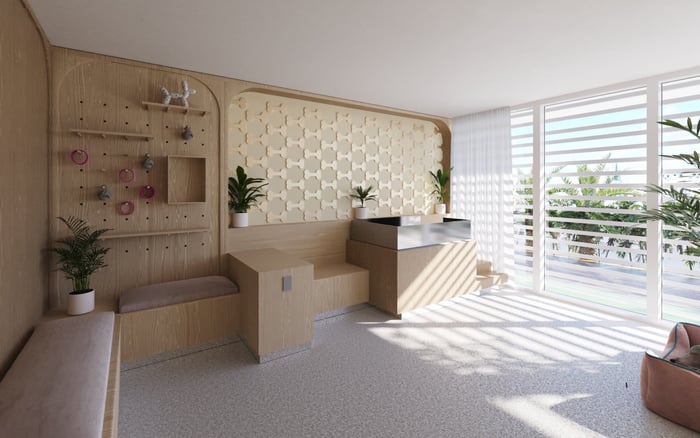
A buyer-focused comparison of La Maré, Origin, and The Well through the practical lens of walkability in Bay Harbor Islands.

For a luxury buyer, walkability can be considered in practical terms: which trips could be made on foot, which routes feel comfortable, and how well the surrounding area fits a preferred routine. The point is not to eliminate driving, but to evaluate whether walking adds useful choice.
That lens is especially relevant when comparing residences within the same South Florida community. A buyer can look beyond a general location label and test the specific routes that matter personally, from a short daily walk to a planned local outing.
La Maré Bay Harbor Islands, Origin Bay Harbor Islands, and The Well Bay Harbor Islands can be reviewed through the same buyer-defined standard. Rather than assume that every residence provides an identical pedestrian experience, prospective owners should compare the routes, destinations, timing, and degree of convenience relevant to them.
This approach keeps the analysis grounded. Walkability is most meaningful when it supports how a resident expects to use the home, whether as a primary residence or a second home.
When considering La Maré, buyers can identify the outings they would realistically make on foot and then experience those routes in person. The evaluation should reflect personal priorities rather than a broad claim about the neighborhood.
A useful review can include the transition from the residence to the street, the comfort of the intended route, and whether the trip still feels convenient at the times it would typically occur.
For Origin, buyers can consider how the residence fits with their expected pattern of local movement. Design preferences and neighborhood usability need not be treated as separate criteria; both can inform the overall ownership decision.
The key is specificity. Buyers should define which destinations matter, how often they expect to reach them, and whether walking would be a genuine option rather than a theoretical benefit.
For The Well, buyers interested in incorporating movement into daily life can assess whether nearby walking routes support that goal. This should remain a personal evaluation based on intended habits and firsthand observation.
A wellness-oriented routine may include walking, but the relevant standard is whether the actual experience suits the buyer. The project name or positioning should not replace direct due diligence.
Interest in walkability can reflect a preference for flexibility: the ability to choose between driving and making selected trips on foot. In a luxury purchase, that flexibility may be considered alongside the residence itself rather than treated as a substitute for privacy, design, or other personal priorities.
The three projects offer a focused comparison because buyers can apply one consistent set of questions to each. Which routes matter? How frequently would they be used? Does the experience work at the relevant time of day? The answers help translate an abstract preference into a practical buying criterion.
Before deciding, buyers can create a short list of essential and optional destinations, walk the relevant routes, and repeat the exercise at different times. They can also distinguish between an occasional leisure walk and a route intended for regular use.
This method avoids treating walkability as a universal score. It instead measures how well each option aligns with a specific South Florida lifestyle and ownership plan.
What does walkability mean in this comparison? It means assessing whether selected local trips can realistically and comfortably be made on foot according to the buyer’s routine.
Does a walkable lifestyle eliminate the need to drive? No. The relevant benefit is having another practical option for certain trips.
Why compare these three Bay Harbor Islands projects together? Applying the same questions to each helps buyers make a consistent, needs-based comparison.
How should a buyer evaluate La Maré? The buyer should test the specific walking routes and outings that would form part of the intended routine.
How should a buyer evaluate Origin? The buyer can consider neighborhood usability alongside residential design preferences and expected daily habits.
How should a buyer evaluate The Well? The buyer can determine whether actual walking routes support a personally defined approach to movement and wellness.
Should buyers rely on a general walkability label? No. Firsthand route checks provide a more personal and practical assessment.
Why visit at different times of day? A route may feel different depending on when the buyer expects to use it, so repeated visits can improve the evaluation.
Is walkability relevant to a second home? It can be if the owner wants selected outings to require less planning during shorter stays.
Does walkability establish future value or appreciation? No. It is a lifestyle consideration and should not be presented as a guarantee of financial performance.
When you're ready to tour or underwrite the options, connect with MILLION.
If branded residences are on your mind — as a home or as an allocation — we would be glad to share what we are seeing, privately.
Begin a quiet conversation