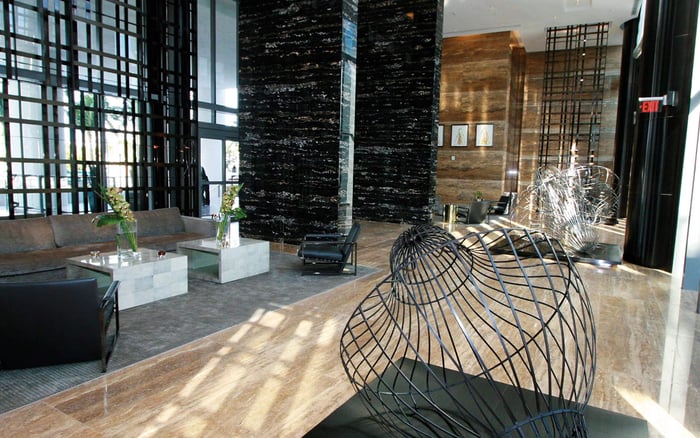
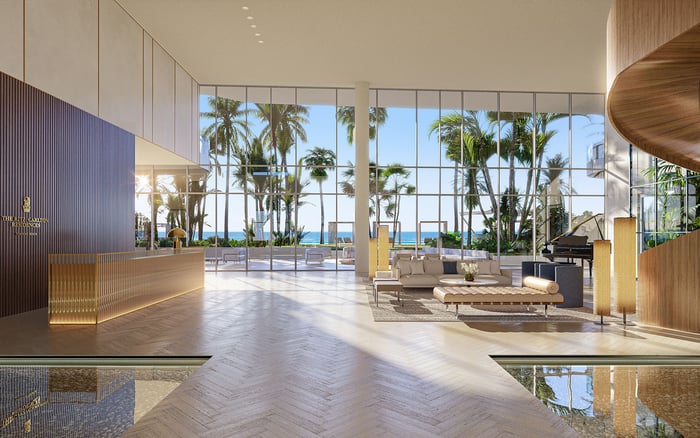
For family buyers, South Beach elevator privacy is only as effective as the full arrival system. The decisive details include valet choreography, access controls, foyer configuration, service circulation, guest procedures, and the route from the driveway to the residence.
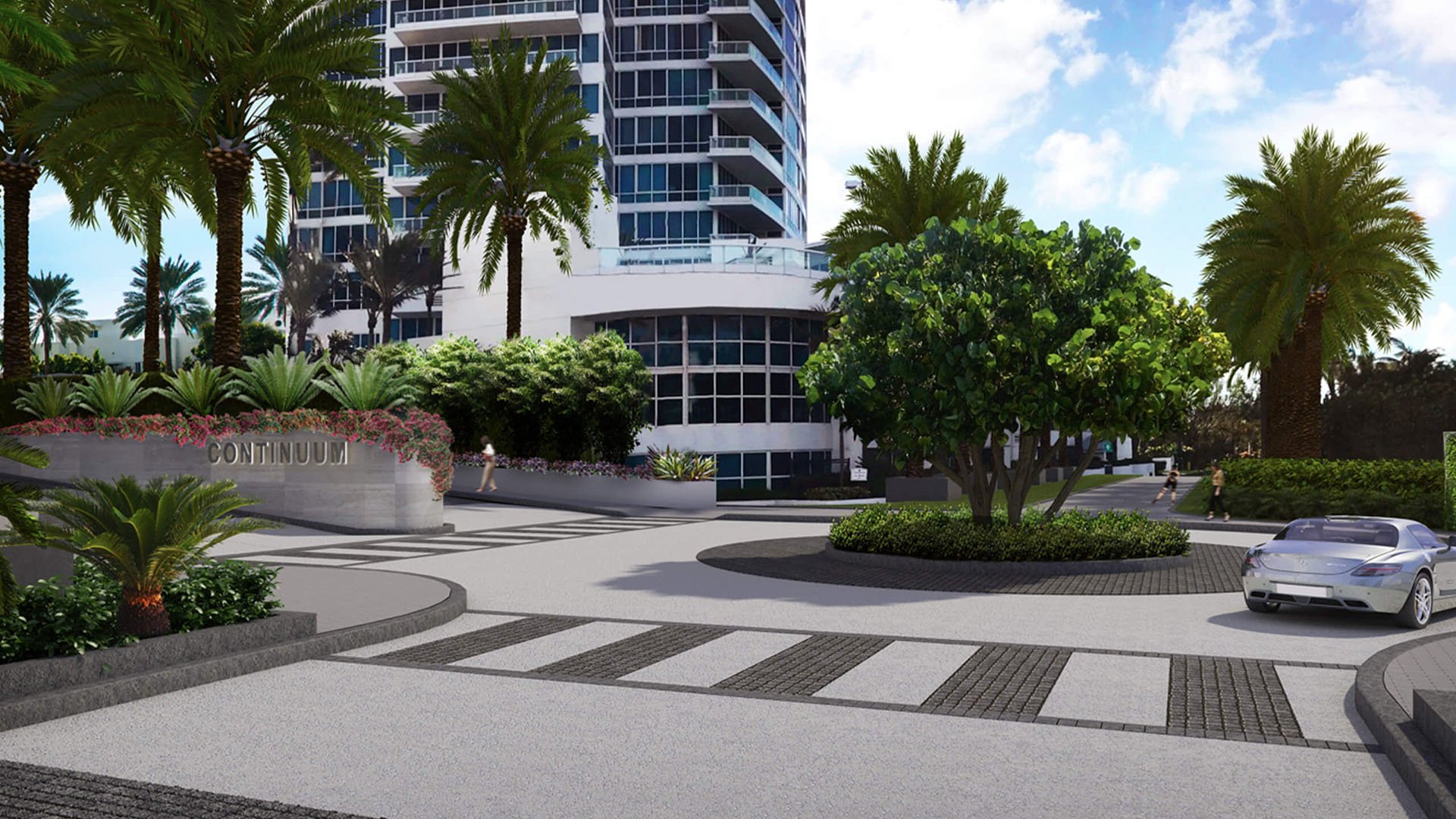
For a family buying in South Beach, the front door effectively begins at the driveway. A beautifully finished private elevator foyer may suggest seclusion, but its daily value depends on the entire sequence before it: gate access, vehicle queuing, valet handoff, lobby entry, elevator authorization, and final landing.
This broader view matters for households coordinating school runs, caregivers, multiple vehicles, guests, groceries, luggage, and deliveries. A seamless route can make a large condominium feel composed and residential. A poorly resolved one can create friction before anyone reaches the elevator.
The practical exercise is simple: trace the entire journey from the street to the residence, then repeat it in reverse. At Continuum on South Beach, for example, controlled vehicular access, programmed elevators, electronic keys, and separate service circulation show how several layers can work together. Buyers should still verify the precise arrangement for the residence under consideration.
“Private elevator” is not a universal technical description. It may refer to a dedicated elevator serving one residence, an elevator opening directly into the home, or controlled access to a private or semi-private foyer. Each configuration creates a different level of privacy, convenience, and exposure.
An elevator that opens inside the residence is materially different from one arriving at a vestibule outside it. A private vestibule also differs from a semi-private landing shared with a neighbor, while a limited-access elevator may still connect to common corridors elsewhere in the building.
Request the unit floor plan and walk the physical route. Confirm in writing where the doors open, who can reach the floor, whether any landing or vestibule is shared, and how residents authorize caregivers and guests. At The Ritz-Carlton Residences® South Beach, direct elevator access supports privacy and ease, but due diligence should focus on the selected residence and its actual access sequence.
Valet service should be evaluated as an operating system, not a hospitality flourish. Visit at a busy time and observe whether vehicles queue at the entrance, where passengers wait, how keys and belongings are transferred, and whether children can move from car to lobby without crossing active traffic.
Ask whether residents may self-park or must use valet. That distinction can shape short school departures, caregiver changes, late arrivals, and the routines of households with more than one car. Also clarify how the building handles car seats, oversized vehicles, guest vehicles, bicycles, strollers, and repeated access throughout the day. These are questions, not assumed services, and the property should confirm each answer directly.
In South of Fifth, buildings can deliver markedly different versions of the arrival experience. Apogee South Beach combines a low residence count per floor with private elevators, a private lobby, valet and concierge services, and enclosed parking. The point is not that one formula suits every family, but that parking, staffing, density, and vertical circulation should be assessed together.
The resident elevator is only half of the plan. Families should establish how groceries, household staff, contractors, deliveries, luggage, and maintenance teams reach the residence. Ideally, operational traffic follows a clearly defined service elevator and corridor rather than routinely sharing the principal arrival path.
A separate service route can preserve discretion while reducing conflicts during busy hours. At Continuum South Tower, an oversized service elevator is reached through a separate service corridor. Buyers should ask where that route begins, how it is accessed, whether delivery personnel are escorted, and where items wait before entering the residence.
The same scrutiny belongs in comparisons across Miami Beach. When touring Five Park Miami Beach or another candidate property, do not infer operational details from design imagery. Walk both the resident and service paths, noting every door, checkpoint, corridor, transfer, and shared waiting area.
Physical exclusivity matters only when supported by effective access controls. Determine whether authorization relies on a key, electronic credential, programmed elevator, biometric system, concierge release, or a combination. Ask how credentials are issued and revoked, and whether caregivers can receive restricted access without gaining broader building privileges.
Guest procedures deserve equal attention. Establish whether a visitor is announced, escorted, released remotely, or sent to a foyer. Then consider failure conditions: an elevator outage, lost credential, power interruption, or peak-time service call. Request the outage protocol, alternative route, security procedure, and expected handling of residents who require mobility assistance.
The principle is consistent: specifications describe intent, while an observed route reveals lived performance. In SoFi, privacy should be tested through movement, not accepted as a label.
A building can contain more than one elevator or foyer configuration. Private and semi-private arrangements may vary by stack, floor, or residence type, making a building-level description insufficient. Match the listing language to the floor plan, inspect the actual landing, and obtain written confirmation of the selected unit’s arrangement.
The strongest choice is not necessarily the most theatrical arrival. It is the one that functions predictably for the family’s actual schedule, protects privacy without complicating access, and prevents service activity from overtaking daily life.
Does “private elevator” always mean an elevator opens inside the residence? No. It may open into a private vestibule, semi-private foyer, or another controlled-access area.
Why should buyers inspect the valet before evaluating the elevator? The driveway and handoff determine how smoothly and privately the family reaches the lobby and elevator.
When is the best time to conduct an arrival test? Visit during a busy period, when queuing, elevator waits, guest traffic, and deliveries are easiest to observe.
Should families ask whether self-parking is permitted? Yes. Mandatory valet and optional self-parking can create very different routines for school runs and multiple vehicles.
What should buyers confirm about an elevator foyer? Confirm whether it is private or shared, who can access it, and whether it leads to any common corridor.
Why does a separate service elevator matter? It can direct deliveries, groceries, staff, and maintenance away from the principal resident route.
Can elevator arrangements vary within one condominium? Yes. The configuration may differ by stack, floor, or residence type, making unit-level verification essential.
Which access-control details deserve attention? Ask about resident credentials, guest authorization, caregiver access, credential revocation, and concierge involvement.
What documents should a buyer request? Request the unit floor plan and written confirmation of elevator access, service routing, guest procedures, and outage protocols.
What is the clearest sign of a family-ready arrival sequence? It should remain secure, legible, and efficient while separating resident movement from operational traffic.
For a tailored shortlist and next-step guidance, connect with MILLION.
If branded residences are on your mind — as a home or as an allocation — we would be glad to share what we are seeing, privately.
Begin a quiet conversation