A buyer-focused editorial on evaluating wellness real estate in Brickell, using House of Wellness Brickell as a lens for distinguishing durable lifestyle value from surface-level amenity language.
In South Florida’s upper tier, wellness has moved from a desirable extra to a central part of the residential conversation. Yet the word is now used so broadly that it can mean almost anything: a serene lobby, a spa-inspired palette, a fitness room, a meditation corner or simply a softer marketing vocabulary. For a sophisticated buyer, the more exacting question is this: does the residence improve daily life, or does it merely look wellness-adjacent?
That is the useful lens for considering House of Wellness Brickell. The name itself raises the standard. It asks buyers to think beyond the photograph and into the operating reality of a building: how routines form, how privacy is protected, how recovery is supported, and how easily a resident can move from work intensity to physical and mental reset. In Brickell, where speed, density and professional ambition define much of the daily rhythm, credible wellness is not decorative. It is functional.
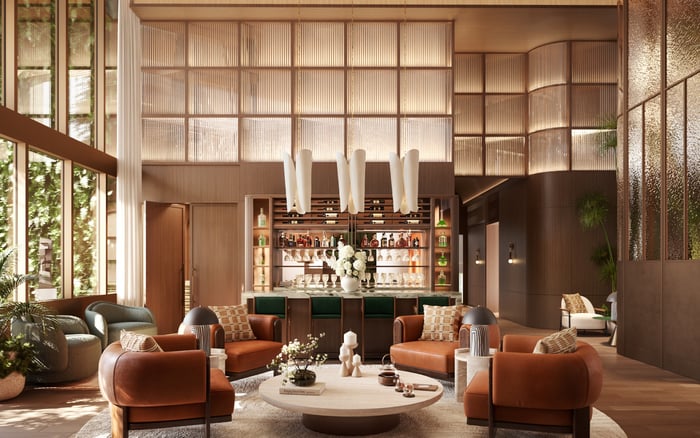
Aesthetic wellness is easy to recognize. It often appears as pale materials, curved furniture, greenery, soft lighting and spa-coded language. These elements can be beautiful, and in the right hands they create a calming visual environment. But they do not automatically create wellness value. A room that photographs as tranquil may still be noisy, inconvenient, overprogrammed or underused.
Real wellness value is more durable. It reveals itself in the lived sequence of a day. Can a resident exercise without friction? Is there enough separation between social energy and restorative space? Are amenities designed for regular use rather than occasional touring? Does the building allow residents to recover from the city without feeling removed from it? These are practical questions, not philosophical ones.
For buyers comparing Brickell residences, this distinction matters because the neighborhood rewards efficiency. A wellness amenity has value when it saves time, reduces decision fatigue and makes healthy habits easier to repeat. If an owner must leave the building for every meaningful wellness ritual, the amenity package becomes more atmospheric than consequential.
Brickell is not a retreat market in the traditional sense. It is an urban, vertical environment where the best homes must balance energy and refuge. That duality is precisely why wellness language can be powerful here, and why it requires scrutiny. The buyer is not seeking only a resort fantasy. The buyer is seeking a residence that can absorb the pressures of a demanding life and return calm, order and convenience.
This is also why projects such as The Residences at 1428 Brickell and Una Residences Brickell belong in the same broader buyer conversation. Each Brickell address asks a version of the same question: how does a high-design residential tower serve the resident after the initial visual impression fades? The answer depends less on vocabulary and more on the choreography of daily life.
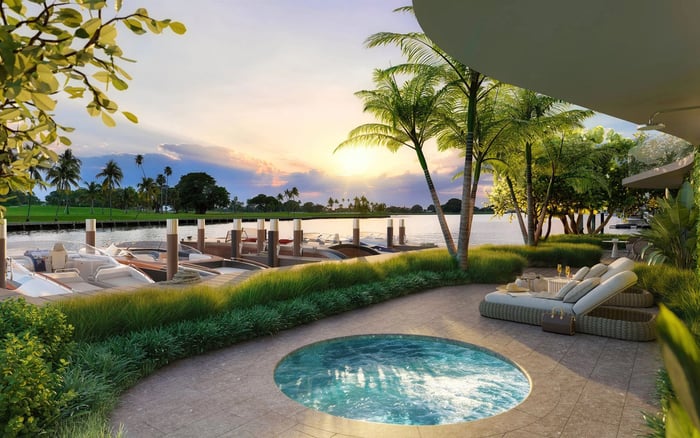
New-construction buyers should be especially disciplined. Renderings can be seductive, but the deeper value lies in how spaces are positioned, how amenities relate to private residences, and whether the overall experience feels intuitive. A pool can be restorative, social, athletic or merely ornamental depending on its setting, access and role within the broader building routine.
The first test is frequency. A wellness feature that can be used several times a week has more value than one that functions mainly as a sales tour highlight. The second test is privacy. Recovery requires a different emotional register than entertainment, and buildings that blur those two states can dilute the wellness promise. The third test is integration. Fitness, bathing, outdoor space, quiet lounges and arrival sequences should feel like parts of one lifestyle system rather than isolated amenities.
The fourth test is environmental comfort. Even without overcomplicating the analysis, buyers can observe how a residence manages light, glare, sound, circulation and access to outdoor air. These qualities shape daily mood in ways that are more significant than a decorative wellness motif. The fifth test is service logic. A beautifully designed amenity still depends on management, maintenance and scheduling discipline. Wellness is not only architecture. It is also operations.
This is where House of Wellness Brickell can be read as more than a name. It becomes a prompt for sharper due diligence. A buyer should ask what parts of the project support sleep, movement, nutrition, decompression, focus and social balance. If those answers are clear and practical, the wellness proposition has substance.
South Florida has become highly fluent in branded residential living. In some cases, a brand helps establish a recognizable standard of service, design or lifestyle. In others, branding can become a surface layer that obscures the real estate fundamentals. Wellness branding is no different. It is valuable when it makes the resident experience more legible, not when it substitutes for it.
The rise of wellness-oriented addresses across Miami reinforces the point. The Well Bay Harbor Islands and The Well Coconut Grove illustrate how buyers are increasingly receptive to residences that foreground health, restoration and intentional living. But the discerning buyer should still apply the same standard everywhere: What will I use, how often will I use it, and how meaningfully will it improve my life?
For discerning buyers, the strongest wellness real estate is not the loudest. It is the most quietly persuasive. It gives the owner a sense that the building is removing friction, not adding theater. It supports the routines that matter, from morning movement to evening recovery, without requiring constant effort.
House of Wellness Brickell arrives in a market where the wellness conversation is maturing. The early phase rewarded buildings that could say the word convincingly. The next phase will reward buildings that can prove the concept through resident experience. Buyers are learning to separate a calming image from a calming life.
That shift is healthy for the market. It raises the standard for developers, designers and sales teams. It also gives buyers a more intelligent way to compare projects that may otherwise appear similar from a distance. In Brickell, true wellness value should feel precise, usable and deeply integrated into the cadence of urban living.
The best approach is neither cynical nor dazzled. A wellness-branded project should be given the opportunity to show its substance, but it should also be tested with discipline. If House of Wellness Brickell can translate its promise into daily utility, it belongs in a serious conversation about the future of luxury living in Miami’s financial core.
What is the main difference between wellness value and wellness branding? Wellness value improves daily life in repeatable ways. Wellness branding may only create a visual or emotional association with health.
Why is Brickell a demanding market for wellness residences? Brickell combines density, pace and professional intensity. A residence must provide genuine refuge without sacrificing urban convenience.
How should buyers evaluate House of Wellness Brickell? Buyers should focus on daily utility, privacy, amenity integration and whether the wellness promise supports real routines.
Are wellness amenities always valuable for resale? They can be valuable when they are useful, well maintained and aligned with buyer demand. Superficial features may age quickly.
What role does design play in wellness real estate? Design matters when it improves comfort, flow, light and calm. Appearance alone is not enough to create lasting value.
Should buyers compare wellness-branded projects across neighborhoods? Yes, comparisons can reveal whether a project has substance or simply strong language. The lifestyle context still matters.
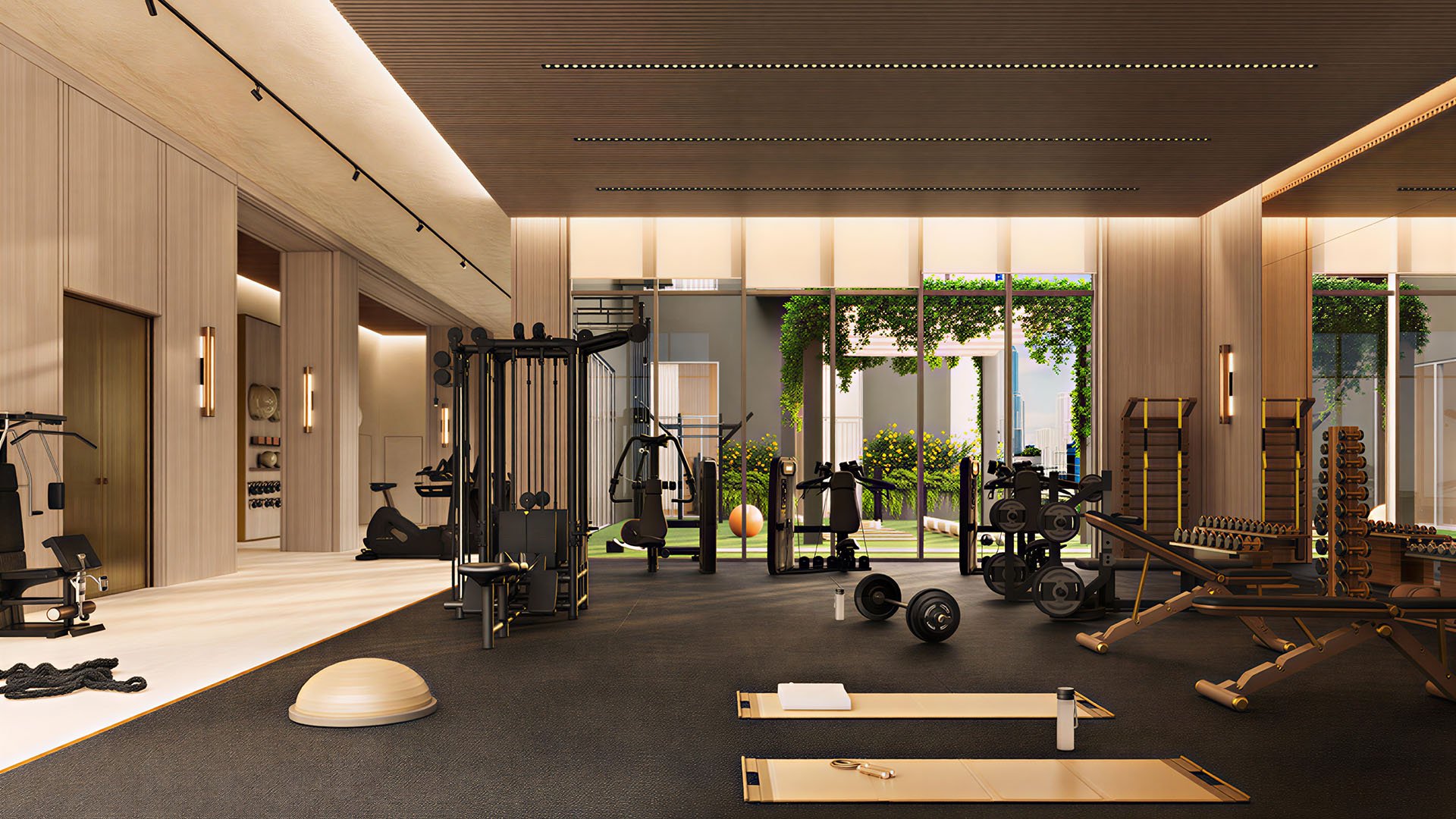
Is a fitness center enough to define a wellness residence? No. True wellness usually includes a broader relationship among movement, recovery, privacy, comfort and daily ease.
Why do operations matter in a wellness building? Amenities depend on scheduling, maintenance and management. Poor operations can weaken even a beautifully designed space.
Can urban living and wellness coexist in Brickell? Yes, if the residence reduces friction and creates restorative spaces within the rhythm of the city.
What should a buyer prioritize during a tour? Prioritize how the building feels in use: arrival, noise, light, privacy, circulation and the convenience of healthy routines.
When you're ready to tour or underwrite the options, connect with MILLION.
If branded residences are on your mind — as a home or as an allocation — we would be glad to share what we are seeing, privately.
Begin a quiet conversation