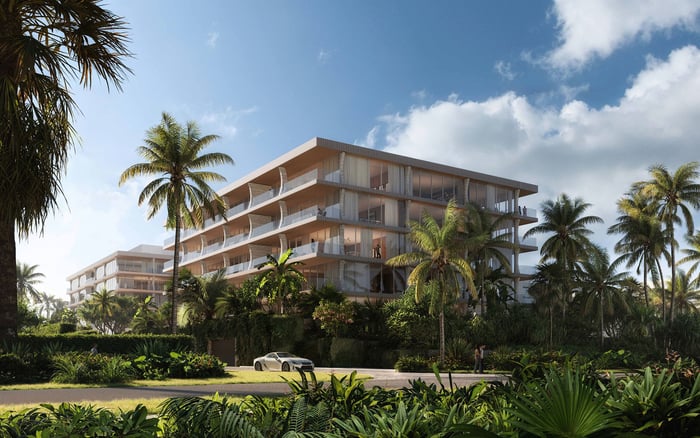
A guest suite can make a seasonal South Florida pied-à-terre feel effortless, but it also changes the financial logic of ownership. The right strategy weighs privacy, hosting frequency, carrying costs, and resale flexibility before adding square footage that may sit unused for much of the year.
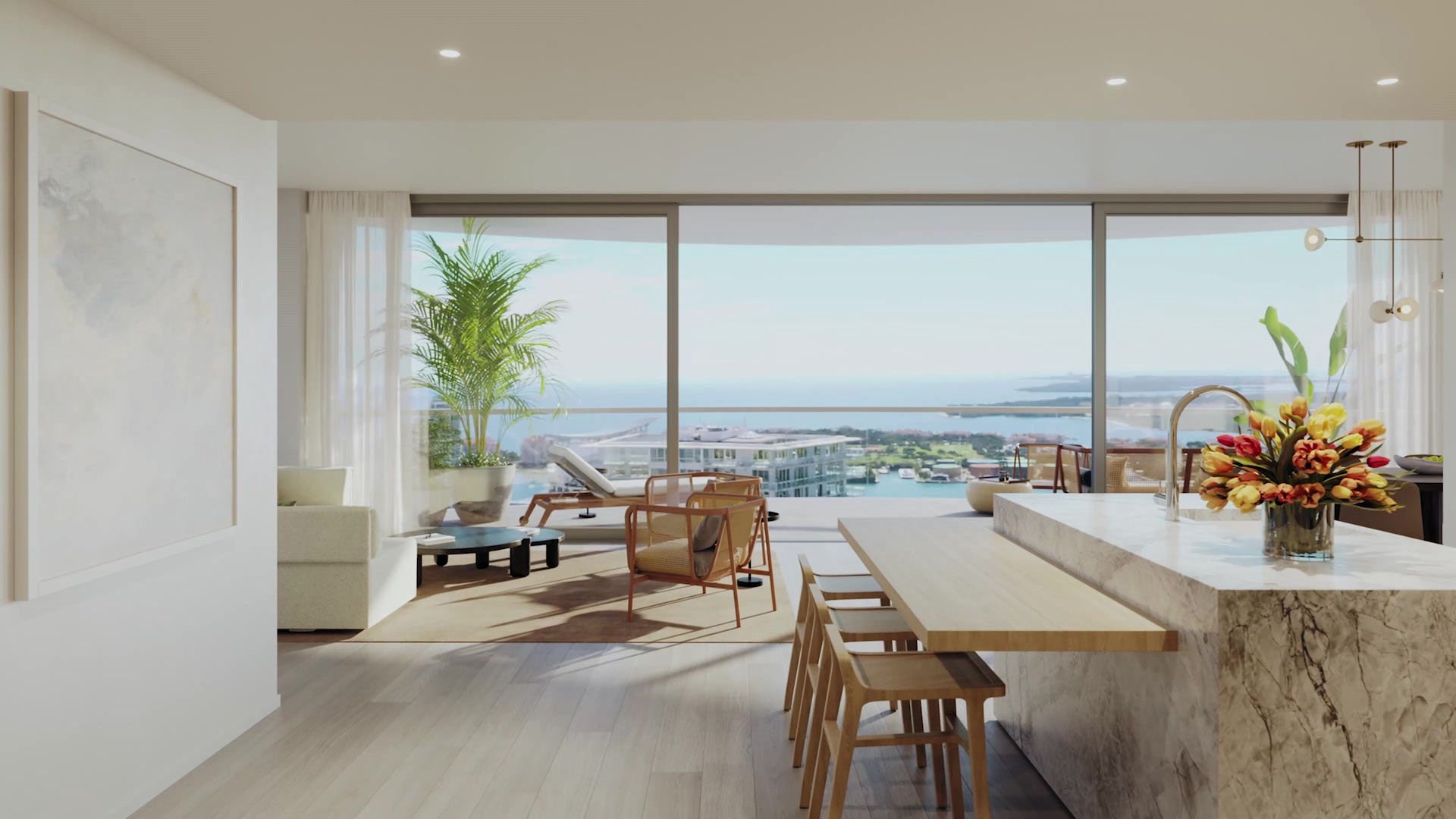
A South Florida pied-à-terre is rarely purchased for shelter alone. It is purchased for climate, ease, dinners that stretch late, family visits that arrive with little warning, and the quiet assurance of a private address waiting when the season begins. Within that equation, the guest suite is one of the most emotionally persuasive features-and one of the most financially misunderstood.
The apparent question is simple: should the residence have space for overnight guests? The sharper question is more exacting: how often will that space be used, by whom, and at what cost to the owner’s daily life? In a seasonal home, every room competes with time. A guest suite that performs beautifully for six weekends may still be an expensive room for the rest of the year if it compromises light, primary living space, storage, or the preferred view corridor.
For buyers comparing a city pied-à-terre such as 2200 Brickell with a more resort-oriented address, the guest-suite decision should begin before the floor plan tour. It belongs in the ownership thesis.
A guest room is a bedroom. A guest-suite strategy is a plan for hospitality, privacy, and cost control. It asks whether guests are adult children, grandchildren, friends, staff, or visiting relatives who may stay for longer stretches. It also asks whether the owner entertains frequently or prefers the pied-à-terre as a restorative retreat.
The strongest layouts usually separate the owner’s routine from the guest’s presence. That can mean a secondary bedroom with an en suite bath, a den that closes properly, or a split-bedroom plan that avoids placing visitors directly beside the primary suite. What matters is not simply the bedroom count. It is the hierarchy of spaces.
A dedicated guest suite tends to make sense when visitors are predictable, stays are meaningful, and privacy is part of the luxury expectation. It becomes less compelling when the room exists mainly for hypothetical use. In that case, a flexible room, office, media space, or convertible den may deliver more value throughout the year.
Second-home planning is at its best when it resists overbuilding for occasional scenarios. The most elegant pied-à-terre is not necessarily the largest. It is the one that fits the owner’s actual seasonal rhythm.
The real cost of a guest suite is not limited to the price of acquiring more interior space. It can affect common charges, taxes, insurance exposure, furnishings, housekeeping, climate control, and the opportunity cost of capital tied to square footage that may sit idle. In high-end buildings, even a modest increase in size can change the annual ownership profile.
There is also a design cost. A second or third sleeping area may reduce the scale of the living room, narrow the dining experience, or shift the residence into a less desirable line. A buyer may gain a guest bedroom yet lose the daily pleasure of a better terrace, stronger water view, or more graceful entertaining room.
Investment thinking should therefore be qualitative as well as financial. A guest suite may support future resale if it broadens the audience for the residence. It may also dilute appeal if the floor plan feels carved into rooms rather than composed around living. The market often rewards usefulness, but it rarely rewards awkwardness.
This is especially relevant in lifestyle-driven neighborhoods where buyers are not only purchasing a unit, but a way of inhabiting South Florida. A residence near the beach, for instance, may benefit from guest flexibility because family visits are part of the seasonal pattern. A buyer considering Five Park Miami Beach might weigh that flexibility differently than a buyer seeking a weekday business base in Brickell.
Luxury sometimes means not maintaining rooms you do not need. A one-bedroom plus den, or a two-bedroom with a highly usable secondary room, can be more refined than a larger plan burdened by underused space. This is particularly true for owners who prefer hotels for visiting guests, or who want the pied-à-terre to remain calm, private, and easy to close between visits.
The hotel alternative is not simply an expense. It can be a privacy strategy. Hosting guests inside the residence changes the mood of ownership. Morning routines are shared. Staff coordination expands. The kitchen works harder. The terrace becomes communal rather than personal. For some owners, that is precisely the point. For others, it weakens the reason the pied-à-terre was purchased in the first place.
A smaller, better-located residence may also preserve capital for design, art, club memberships, boating, dining, wellness, or travel. In South Florida, lifestyle costs are part of the ownership picture. The guest suite should not consume the budget that makes the season enjoyable.
Different South Florida markets invite different guest-suite assumptions. Brickell often attracts buyers who prioritize access, dining, and an urban lock-and-leave rhythm. West Palm Beach may draw owners thinking about culture, seasonal society, and proximity to family networks. Fort Lauderdale and Pompano Beach can appeal to buyers whose lifestyle is shaped by boating, waterfront routines, or a more relaxed coastal cadence.
A buyer looking at Alba West Palm Beach may frame the guest suite around seasonal family visits and longer weekends. A buyer evaluating The Ritz-Carlton Residences® Pompano Beach may think more about resort-like stays, visiting couples, and the desire for a polished arrival experience. The names and settings differ, but the discipline is the same: do not buy extra rooms without understanding their purpose.
The best exercise is to map the next three seasons honestly. Who is likely to visit? How many nights? Will they need privacy, or simply a place to sleep? Would a den with a proper bath solve the need? Would a nearby hotel preserve everyone’s comfort? The answers often reveal whether the guest suite is a genuine asset or an emotional indulgence.
Begin with use, not inventory. If overnight guests are central to the way the residence will be enjoyed, the guest suite deserves priority. If they are occasional, flexibility may be more valuable than a permanently dedicated bedroom.
Next, study the floor plan as a daily-life document. Can guests enter and retire without passing through the owner’s private zone? Is the bathroom convenient without becoming the powder room for dinners? Does the room support luggage, remote work, and a sense of retreat? A suite that fails these tests may create more friction than hospitality.
Finally, compare the guest-suite premium with what else the same capital could secure. In some cases, it buys a better view, a larger terrace, a superior building, or a location that will be enjoyed every day of the season. The right answer is deeply personal, but it should never be casual.
Is a guest suite essential in a South Florida pied-à-terre? Not always. It is essential only when overnight hosting is central to the owner’s seasonal lifestyle.
Can a den replace a guest bedroom? Yes, if it closes well, has convenient bath access, and functions comfortably when guests are not present.
Does a guest suite improve resale appeal? It can, especially when the layout feels natural. Poorly planned extra bedrooms may have the opposite effect.
Should I buy more space for family visits? Only if those visits are frequent enough to justify the ongoing carrying cost and design tradeoffs.
Is a smaller pied-à-terre easier to own seasonally? Often, yes. Smaller residences can be simpler to furnish, maintain, secure, and close between visits.
How should couples approach the guest-suite decision? They should separate likely use from imagined use and agree on how private they want the residence to feel.
Does location affect the guest-suite strategy? Yes. Beach, urban, and waterfront lifestyles can produce very different hosting patterns.
What is the biggest mistake buyers make? Buying for occasional guests at the expense of the rooms, views, or terraces they will use every day.
Can a guest suite support an investment goal? It may broaden future buyer interest, but only when the layout is efficient, private, and well proportioned.
What should I review before making an offer? Review the floor plan, privacy sequence, bath access, storage, carrying costs, and how often guests will stay.
For a tailored shortlist and next-step guidance, connect with MILLION.
If branded residences are on your mind — as a home or as an allocation — we would be glad to share what we are seeing, privately.
Begin a quiet conversation