For yacht-owning buyers, the distinction between Fort Lauderdale and West Palm Beach is less about prestige than operating fit. Berth location, bridge geometry and a workable crew plan should shape the residential decision alongside lifestyle.
For a yacht owner, a South Florida residence is more than an address overlooking the water. It is part of a larger arrangement: where the vessel lives, how it reaches the ocean, where crew assemble and how maintenance fits around the owner’s calendar. The most compelling home does not necessarily come with the most compelling operating plan.
Fort Lauderdale offers an operations-first starting point, with established marinas and marine facilities. West Palm Beach invites a residence-led approach, provided the yacht’s berth and access route are evaluated independently. These are buyer frameworks, not universal citywide advantages. Either city can work when the home, vessel and support arrangements align.
The decisive comparison is between two complete ownership arrangements, not two waterfront skylines.
Fort Lauderdale’s infrastructure includes Bahia Mar Yachting Center, Pier Sixty-Six Marina and municipal docks on the New River. That range gives buyers several starting points for investigating dockage and service relationships. It does not, however, establish berth availability or suitability for a particular vessel.
At Pier Sixty-Six, as at any prospective yacht base, confirm the dimensions and availability of the specific berth under consideration. A marina’s overall scale is not a substitute for a vessel-specific assessment.
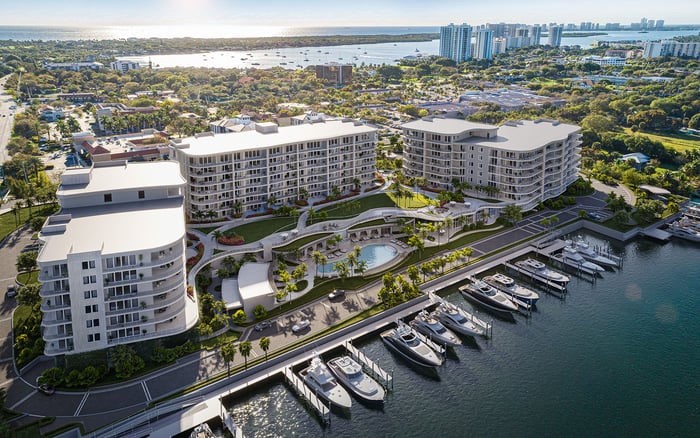
A buyer considering St. Regis® Residences Bahia Mar Fort Lauderdale should treat the residential purchase and yacht accommodation as separate diligence tracks. Confirm any docking rights, commercial terms and vessel restrictions explicitly rather than reading them into the project’s name.
The same discipline applies when evaluating Four Seasons Hotel & Private Residences Fort Lauderdale: identify the preferred home, then test the actual berth and crew journey without assuming marine access is included.
Even within one marina, access can differ materially. At Pier Sixty-Six, review the route from the specific berth rather than treating Pier North and Pier South as interchangeable. Establish whether the SE 17th Street bascule bridge lies on the passage and whether the yacht requires an opening.
For any route through that bridge, the captain should confirm closed vertical clearance, horizontal clearance, current opening rules and temporary restrictions before departure. The same review applies to Sunrise Boulevard and the William H. Marshall Memorial bridge when either falls on the proposed route. A New River address should not be treated as shorthand for unrestricted yacht access.
Closed clearance is not an absolute height limit at an opening bridge. It is one input alongside the yacht’s air draft, water level, beam, draft and the navigable route. A captain should validate the entire passage, not simply compare vessel height with a single number.
For buyers who want the residence to lead the decision, West Palm Beach can be considered alongside a separately designed yacht arrangement. The practical question is not whether the city accommodates yachts, but whether the selected dock supports the owner’s intended movements.
Flagler Memorial, Royal Park and Southern Boulevard are important Intracoastal bridges to assess when they fall on the actual route. Confirm their applicable clearances and operating rules before either passage planning or a purchase decision; preliminary figures are not a navigation plan.
Not every West Palm Beach dock requires passage through all three bridges. Dock location and the chosen inlet route determine which structures matter. Check whether opening schedules or rush-hour restrictions affect the intended departure window, particularly for a yacht that cannot pass with a bridge closed.
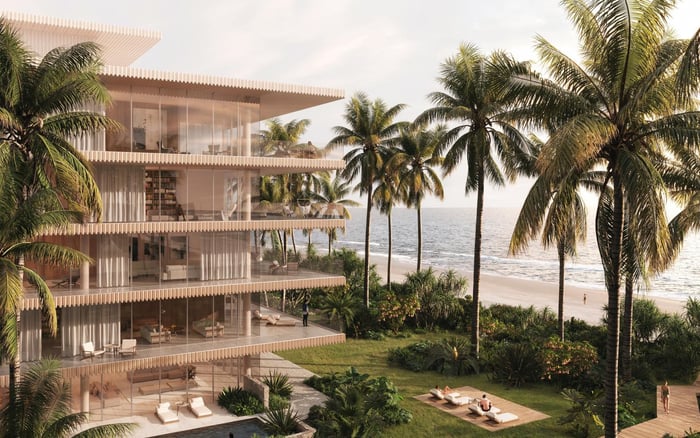
When weighing Alba West Palm Beach, keep the home’s appeal distinct from the vessel-access analysis. Any proposed dock arrangement needs its own verified dimensions, permissions and route review.
Fort Lauderdale’s marina and shipyard facilities support its appeal as a starting point for an operations-focused search. West Palm Beach also has yacht-service infrastructure. In either city, confirm current services and capacity directly rather than assuming a nearby facility can accommodate the vessel’s needs.
Infrastructure alone does not establish a comparative advantage in crew availability, provisioning cost, fuel pricing or service response. Those questions require vessel-specific conversations and current proposals.
Ask the captain to review where crew will park, enter the marina, receive deliveries and meet contractors. Confirm access permissions, working hours, provisioning arrangements and the terms under which outside technicians may attend the vessel. These are diligence questions, not assumed amenities.
Then test the residential side: how will the owner embark, where will guests meet, and what happens when maintenance interrupts the preferred itinerary? A workable arrangement should accommodate ordinary service days as well as polished departures.
Second-home buyers may reasonably begin with the residence they most want to use, then secure a suitable yacht base separately. Owners who anticipate frequent vessel movements may prefer to reverse that sequence, settling berth compatibility and access before choosing the home.
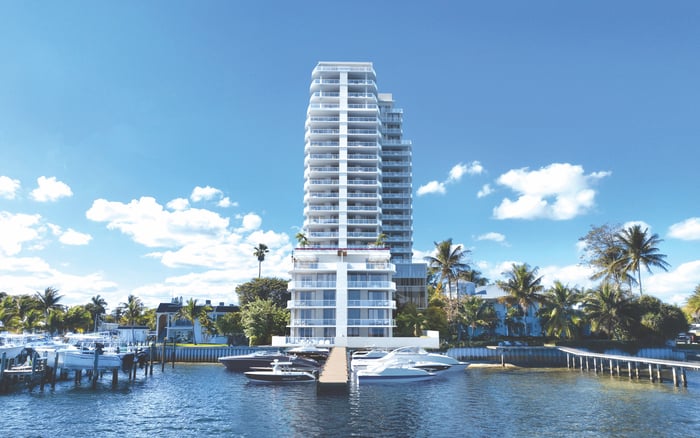
For someone evaluating Forté on Flagler West Palm Beach, the useful exercise is to assess the residential choice alongside a confirmed marine plan-not assume that a waterfront setting supplies yacht logistics.
Before committing in either city, assemble one decision file: vessel dimensions, proposed berth, contractual docking rights, verified bridge restrictions, the captain’s route assessment and a practical crew-access plan. Keep residential and marine costs distinct so that the appeal of one does not obscure the obligations of the other.
Fort Lauderdale’s operations-first case and West Palm Beach’s residence-led case are useful starting points. The better choice reconciles the owner’s preferred way of living with the yacht’s actual requirements, without relying on a city label to resolve the details.
Explore South Florida residences with MILLION to frame your home search around both your lifestyle and your yacht’s operating needs.
If branded residences are on your mind — as a home or as an allocation — we would be glad to share what we are seeing, privately.
Begin a quiet conversationNo. Its marina and service infrastructure supports an operations-first search, but the right choice depends on the vessel, berth, route and owner’s residential priorities.
Yes, review the route from the specific berth rather than treating the two as interchangeable. Establish whether the SE 17th Street bridge lies on the passage and whether the yacht requires an opening.
Confirm closed vertical clearance, horizontal clearance and suitability for the yacht’s dimensions under expected conditions. Review the complete passage rather than relying on a single clearance figure.
Have the captain confirm current operating rules and temporary restrictions for every opening bridge on the route. Test whether those windows fit the owner’s intended departures and returns.
No. Fort Lauderdale routes can encounter bridge constraints, so the captain should review the complete berth-to-ocean passage.
Flagler Memorial, Royal Park and Southern Boulevard matter when they fall on the proposed route. Not every dock requires passage through all three.
No, applicable clearances and operating rules require confirmation before navigation or a purchase decision. Vessel dimensions and water conditions also belong in the captain’s assessment.
Yes, but current services, capacity and operating arrangements should be confirmed directly. Nearby facilities do not automatically establish suitability for a particular yacht.
Do not assume it does. Confirm any docking rights, vessel restrictions, availability and commercial terms separately from the residential purchase.
Review crew access, parking, deliveries, contractor permissions and provisioning arrangements with the captain and marina. Neither city’s infrastructure alone establishes lower costs or faster service.