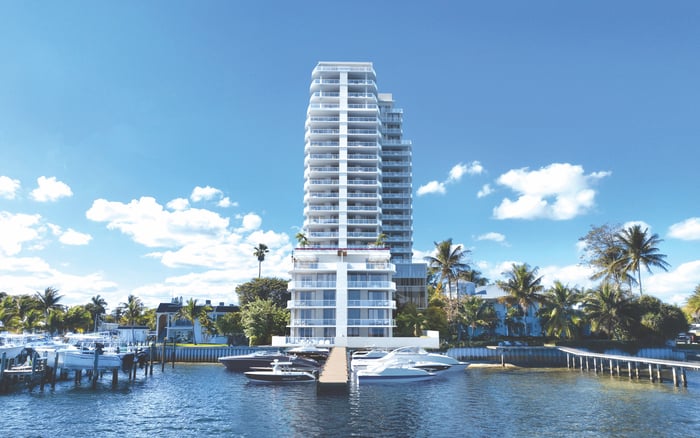
A considered New York and Palm Beach lifestyle begins with more than two addresses. Confirmed berths, clear crew responsibilities, and separate hurricane plans for the yacht and household make seasonal ownership more manageable.
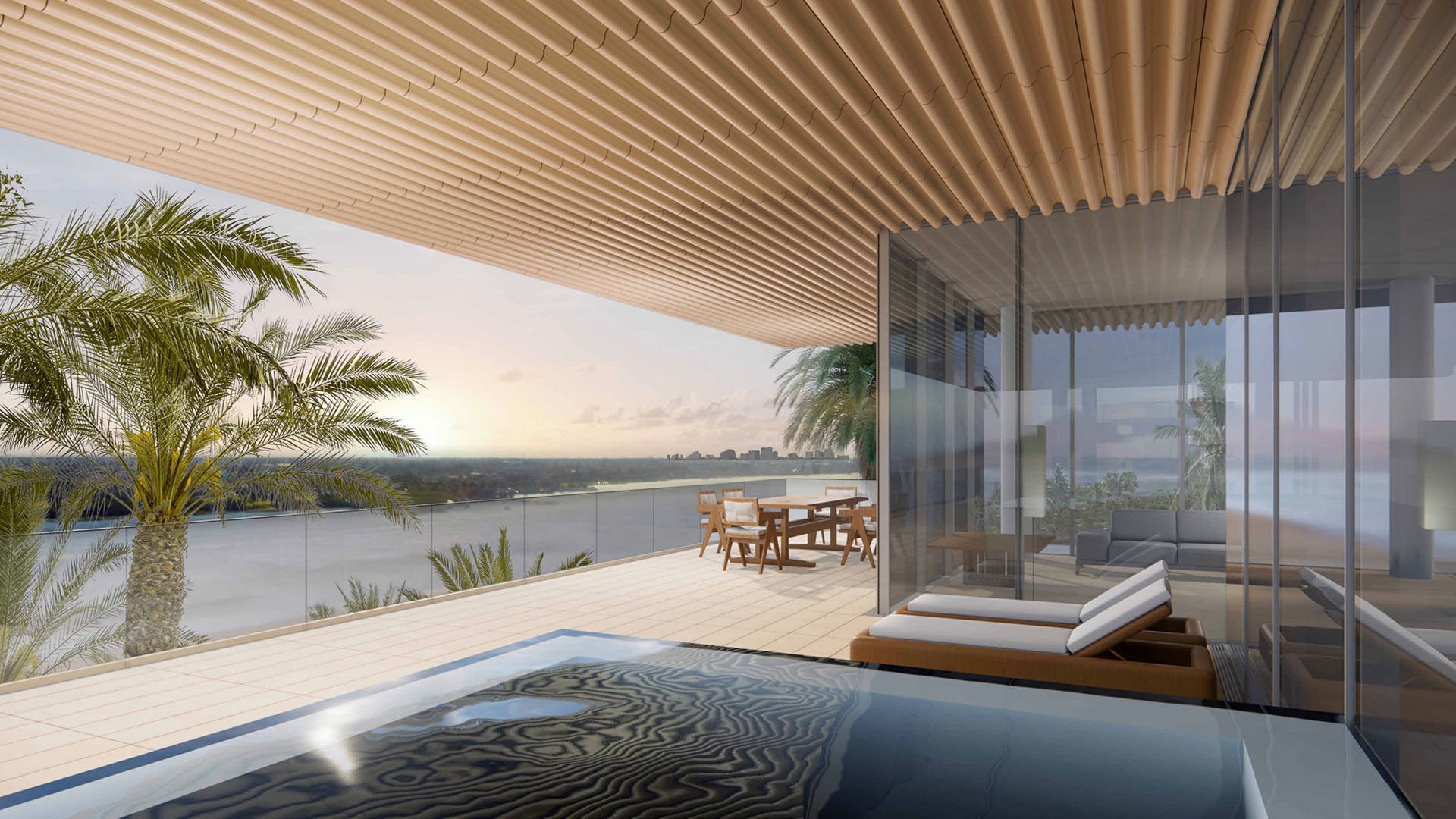
A two-city life between New York City and Palm Beach can be exceptionally fluid when the residence, yacht, and people caring for both share a calendar. The essential distinction is between a preferred itinerary and a confirmed operating plan. Palm Beach winters may be appealing, but the yacht’s movements should follow berth availability, vessel suitability, and weather-not household travel alone.
For a buyer considering Palm Beach Residences, the residential decision deserves a parallel marine conversation. Which berth is actually available? Who receives the vessel if the owner has not arrived? Who can act if conditions change while the household is away? These questions belong early in the search, not after closing.
The most valuable convenience is not simply proximity to the water. It is having decisions settled before they become urgent.
Town of Palm Beach Marina is located at 500 Australian Avenue, Palm Beach, FL 33480. It offers transient dockage at daily and monthly rates, with bookings recommended several months ahead for winter and spring. Treat that lead time as a reason to begin discussions early, not as assurance that a particular berth will be available.
Palm Beach Yacht Club has separate terms. Its listed transient rate is $6 per foot per day, a major credit card is required, and advance arrangements are essential because slips are limited. The marina office is open from 8:00 a.m. to 5:00 p.m. daily-an important detail when coordinating arrivals and berth assignments.
Before committing, reconfirm rates, availability, vessel acceptance, and arrival instructions directly with the selected facility. Keep the two facilities distinct in your budget and correspondence: the yacht club’s quoted rate is not the town marina’s rate.
A facility listing is a starting point, not confirmation of seasonal availability or suitability for a particular yacht. Ask the prospective Palm Beach facility to confirm the intended stay and vessel compatibility before building the relocation calendar around it.
The captain should develop the passage plan and associated budget for the actual vessel and conditions. Do not treat a standard voyage duration, delivery price, or crew complement as established. A clear owner brief identifies the preferred arrival window, confirmed destination, and who has authority to revise the schedule.
For buyers comparing Alba West Palm Beach with other residential possibilities, the useful question is how the home fits the yacht’s confirmed arrangements. Evaluate the journey between residence and berth, access for those managing the household, and the practical experience of arriving when the boat and owner travel separately.
A waterfront address is not evidence of an included slip, marina rights, or vessel services. Verify any such entitlement independently in the relevant documents. Residential ownership and dockage are separate commitments unless specific terms establish otherwise.
The same discipline applies when considering Forté on Flagler West Palm Beach. Ask how the proposed home works with your chosen marina and arrangements during absences, rather than letting a water-oriented setting stand in for a confirmed boating plan.
The critical crew question is not an assumed staffing number. It is accountability. Identify who manages arrival coordination, who holds current marina instructions, and who can make decisions when the owner is unavailable. Discuss staffing and delivery needs with the captain for the specific vessel rather than applying a generic formula.
Before leaving Florida, arrange for someone to care for the yacht while you are out of town. Give that person current emergency contacts and a clear understanding of marina-contract responsibilities. Written authority and a backup contact can help prevent uncertainty when a decision cannot wait.
Household management deserves its own handoff. When assessing Mr. C Residences West Palm Beach, ask who will handle residence access and emergency communication during absences. Do not assume building personnel will take responsibility for a separately berthed vessel.
Town of Palm Beach Marina requires each vessel to have a hurricane preparedness plan and designated safe harbor on file. The plan should identify securing or relocation arrangements, the responsible person, emergency contacts, and the designated safe harbor. Naming a destination is no substitute for confirming that the intended arrangement can actually be used.
Preparation also means checking the marina contract, making the boat watertight, removing loose deck gear, securing equipment, and protecting against dock or piling damage. Assign these tasks before the owner leaves town, with the responsible person able to carry out the agreed plan.
Storm-related movement also requires attention to port conditions. Reconfirm applicable restrictions at the Port of Palm Beach before departure; a preference to relocate does not establish permission to move.
Town of Palm Beach Marina begins severe-weather procedures approximately five days before forecast landfall, including halting acceptance of new transient vessels. Initial preparations include compiling vessel contacts, contacting owners, verifying hurricane plans, and checking them against lease requirements. Waiting until a storm approaches to seek a berth can leave an owner without the intended option.
Approximately 48 to 24 hours before landfall, tenants must relocate or secure vessels, and selected dock systems begin shutting down. Procedures include disconnecting remaining shore-power cords, shutting off main power and water except fire lines, and photographing vessels for insurance documentation. Loose dock items are removed and marina equipment secured.
These are facility-specific procedures, not universal deadlines. Owners and captains should reconfirm current instructions and avoid planning around uninterrupted dock utilities during storm preparations.
The household needs its own evacuation plan. Use the county’s evacuation tool to determine whether a Palm Beach County residence is in an evacuation area. Plan for early departure from barrier islands and areas between the ocean and the Intracoastal Waterway.
Coordinate the household and vessel plans without making either depend on the other’s completion. The owner should not need to remain in place simply because vessel responsibility has not been assigned. A confirmed berth, a capable local contact, and clear storm instructions form the foundation for a more composed two-city life.
Explore residential options for your two-city lifestyle with MILLION.
If branded residences are on your mind — as a home or as an allocation — we would be glad to share what we are seeing, privately.
Begin a quiet conversationTown of Palm Beach Marina recommends reserving several months ahead for winter and spring. Confirm availability for your vessel and intended dates before scheduling relocation.
Town of Palm Beach Marina is at 500 Australian Avenue, Palm Beach, FL 33480.
It offers transient dockage with daily and monthly rates. Reconfirm current pricing and berth availability before booking.
Its listed transient rate is $6 per foot per day, and a major credit card is required. Reconfirm this yacht club rate before booking; it is not Town of Palm Beach Marina’s rate.
The listed marina office hours are 8:00 a.m. to 5:00 p.m. daily. Coordinate arrival and berth instructions in advance because slips are limited.
A waterfront address alone does not establish an included slip, marina rights, or vessel services. Verify any entitlement in the relevant documents before committing.
Arrange for someone to care for the vessel while you are away. Establish responsibilities, emergency contacts, and authority to carry out the agreed hurricane plan.
Each vessel must have a preparedness plan and designated safe harbor on file. The plan should identify securing or relocation arrangements, the responsible person, and emergency contacts.
Procedures begin approximately five days before forecast landfall, including stopping acceptance of new transient vessels. Approximately 48 to 24 hours before landfall, tenants must relocate or secure vessels as selected dock systems begin shutting down.
No; check the residence’s evacuation status separately. Coordinate household departure with the vessel’s assigned care arrangements without making one depend on the other.