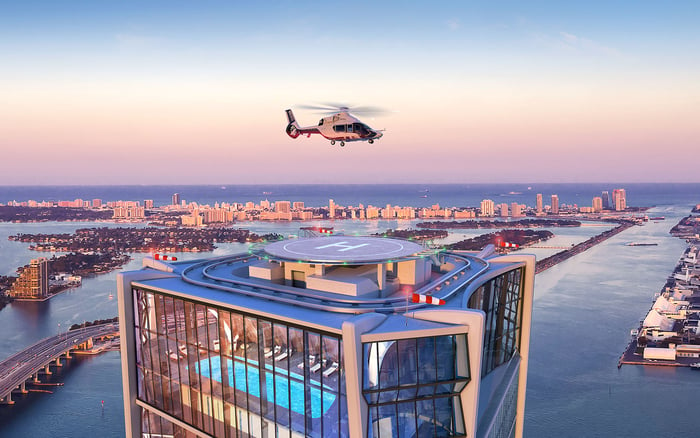
A finance-minded framework for evaluating a Downtown Miami luxury residence, from liquidity and building governance to daily lifestyle, views, carrying costs, and exit optionality.
A luxury residence in Downtown Miami should be evaluated with the same discipline a finance executive would bring to a private-market allocation. The emotional appeal may be immediate: skyline views, hotel-caliber service, proximity to offices, dining, arts, marinas, and the waterfront. The decision, however, should begin with a concise investment memo that separates lifestyle preference from capital risk.
Define the purpose first. Is the residence a primary home, a pied-à-terre, a second home, or a long-duration investment with personal use? Each use case changes the appropriate building, floor height, exposure, floor plan, furnishing strategy, financing posture, and exit timeline. A buyer who plans to live in the home three nights a week should underwrite differently from one who wants an asset that can sit gracefully through multiple market cycles.
Downtown is not a single product type. It includes towers with distinct cultures, service levels, ownership profiles, and view corridors. A buyer comparing Aston Martin Residences Downtown Miami, Waldorf Astoria Residences Downtown Miami, and Casa Bella by B&B Italia Downtown Miami should not stop at architecture or brand resonance. The deeper question is whether the building’s governance, operations, floor-plate logic, and resident experience align with how the asset will actually be used.
The first pressure test is resale depth. A residence may be beautiful, but a finance executive should ask who the next buyer is likely to be. Is that buyer domestic, international, primary-residence driven, lifestyle driven, brand driven, or view driven? The broader the buyer pool, the more defensible the exit.
Floor plan is central to liquidity. Oversized entertaining spaces can be compelling, but awkward bedroom placement, limited storage, compromised elevator privacy, or inefficient circulation can narrow future demand. High floors may command emotional attention, yet the premium should be weighed against exposure, elevator experience, and the buyer’s personal tolerance for height.
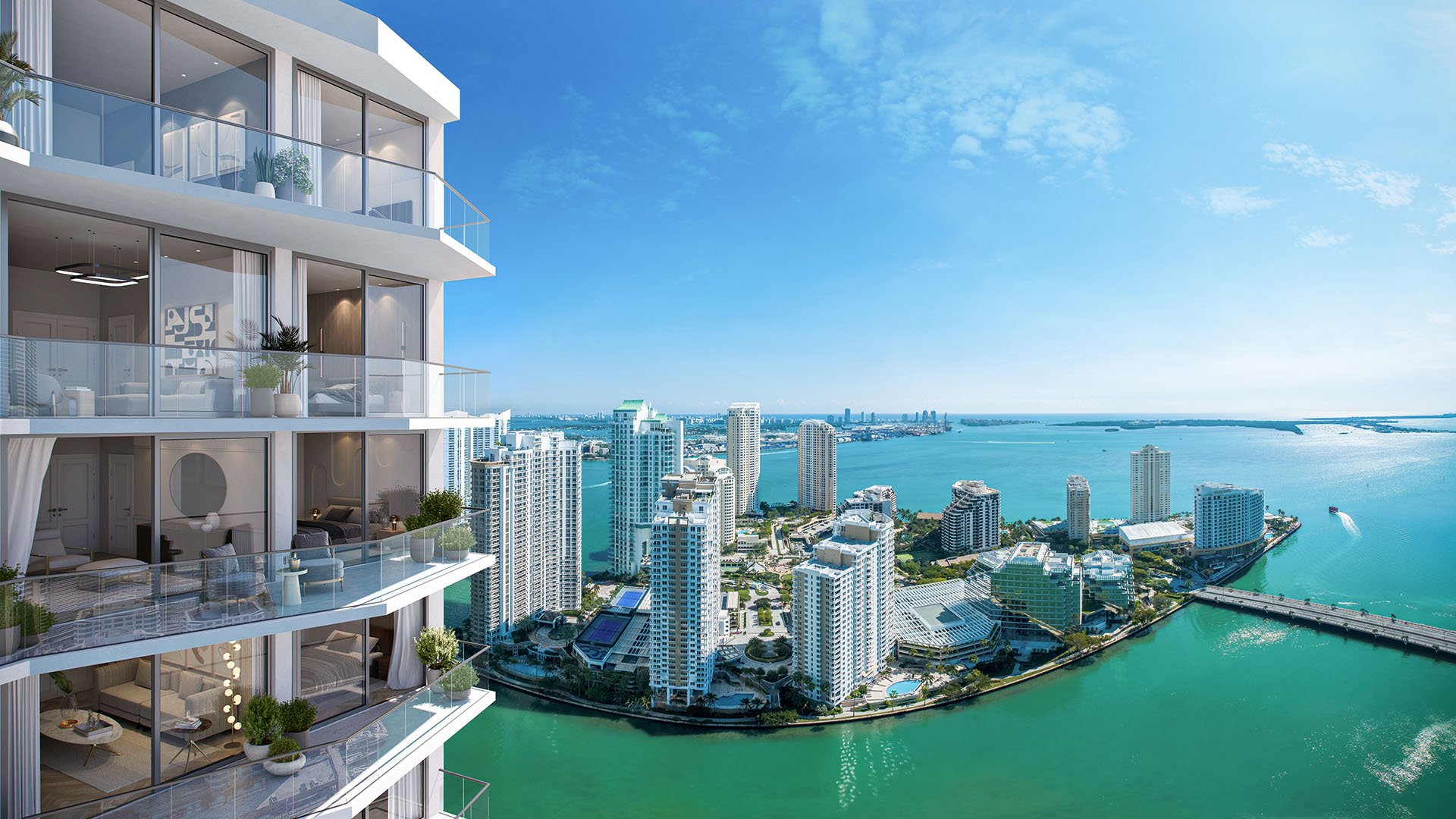
Views require equal skepticism. A water view can be a major value component, but the buyer should distinguish between direct water, angled water, skyline, and obstructed urban outlooks. The question is not simply whether the view is attractive today, but whether it is durable enough to support future pricing confidence.
Luxury in a high-rise is operational. The lobby, valet, security, elevator dispatch, package handling, wellness amenities, engineering standards, and staff culture all affect daily life. Finance executives should tour at different times of day and observe what the brochure cannot show: arrival friction, traffic stacking, guest handling, service-elevator rhythms, and how staff manage privacy.
Governance matters as much as finishes. Review association structure, reserve posture, rules, leasing policy, renovation procedures, insurance obligations, pet policy, and approval protocols. This is not administrative clutter. It is the operating system of the asset.
For new construction, buyers should also evaluate delivery risk, closing obligations, unit customization limits, post-closing punch-list procedures, and the developer’s approach to long-term building stewardship. A tower can be visually persuasive and still require careful diligence around how it will function after the first wave of closings.
A disciplined buyer should build five-year and ten-year ownership models. Include mortgage assumptions if financing is used, association dues, reserves, assessments, insurance, taxes, parking, storage, furnishings, maintenance, and discretionary staffing. Then stress the model with higher carrying costs, slower resale timing, and a less favorable exit multiple.
This is not pessimism. It is the correct way to protect optionality. A residence that remains comfortable under conservative assumptions is often a stronger acquisition than one that only works if every variable stays favorable.
Executives should also consider opportunity cost. Capital placed into a luxury residence may provide lifestyle return, tax complexity, and long-term scarcity, but it competes with other uses of capital. The right answer may still be to buy. The point is to know why the asset deserves allocation.
Downtown should be tested against Brickell because the two neighborhoods often compete for the same executive buyer. Brickell may offer a different rhythm of office proximity, restaurants, residential density, and tower culture. Downtown may feel more connected to cultural venues, waterfront movement, and a broader urban canvas. The best choice depends less on the map than on a buyer’s weekly pattern.
For a finance executive, the comparison should be practical. Where are morning meetings? How often will the airport matter? Is the buyer entertaining clients, hosting family, or seeking maximum privacy after market hours? A buyer evaluating Downtown may also want to benchmark against The Residences at 1428 Brickell or Baccarat Residences Brickell to understand how service philosophy, unit mix, views, and neighborhood energy differ across the urban core.
The shorthand labels for an internal memo might include Downtown, Brickell, investment, new construction, high floors, and water view. Each label should translate into a measurable preference, not a vague aspiration.
Before signing, simulate a normal week. Arrive at peak evening hours. Leave during the morning commute. Test the valet, elevators, porte cochère, garage access, dog walk, gym, spa, pool, guest arrival, and package system. If the residence will be used after late flights or long board meetings, the building must perform when the buyer is tired, not only when the tour is curated.
Privacy deserves special focus. Some executives prefer a social, hotel-like environment. Others want anonymity, quiet corridors, limited elevator sharing, and discreet staff interaction. Neither preference is right or wrong, but misalignment becomes expensive when the home is otherwise perfect.
Noise is another understated variable. Urban luxury can include traffic, nightlife, construction, events, and mechanical sound. Visit the unit or a comparable exposure at multiple times when possible. Sound travels differently by floor, façade, and orientation.
The strongest buyers define red flags before negotiation. Examples include weak governance, unclear rental rules, insufficient reserves, difficult parking, poor elevator logic, compromised views, inefficient layouts, excessive reliance on a single amenity concept, or a resale thesis that depends on a narrow buyer pool.
This discipline gives the buyer confidence. If the residence clears the tests, the purchase becomes easier to defend. If it fails, the decision to pass is not emotional. It is capital preservation.
Downtown Miami can be a compelling address for executives who want vertical living with a sophisticated urban cadence. But the right acquisition is rarely the one that dazzles fastest. It is the one that holds up under scrutiny, supports the buyer’s daily life, and preserves future optionality without requiring the market to be perfect.
Should finance executives buy in Downtown Miami for lifestyle or investment? The strongest purchase usually satisfies both, but the primary use case should be defined first. Lifestyle value should not excuse weak liquidity or poor building operations.
What is the first due diligence step before touring residences? Create a written acquisition brief with budget, use case, preferred exposures, service expectations, hold period, and exit assumptions.
How should a buyer evaluate views? Separate direct water, angled water, skyline, and obstructed views. Then consider whether the outlook is likely to remain desirable for future buyers.
Are branded residences automatically safer purchases? Not automatically. Brand can support confidence, but governance, layout, operations, pricing, and resale depth still require independent scrutiny.
Why compare Downtown with Brickell? The neighborhoods can serve similar executive buyers but offer different daily rhythms. Comparing both helps clarify which location best fits the buyer’s week.
How important are association rules? Very important. Leasing limits, renovation procedures, pet policies, reserves, and approval processes can materially affect ownership flexibility.
Should buyers prioritize high floors? High floors can be desirable, but the premium should be weighed against exposure, elevator experience, comfort with height, and resale demand.
What carrying costs should be modeled? Include financing, dues, reserves, taxes, insurance, furnishings, maintenance, parking, storage, and possible assessments.
How can a buyer test service quality? Visit at different times, observe valet and lobby flow, test guest arrival, and ask detailed questions about staffing and building procedures.
What makes a Downtown Miami residence easier to resell? Broad buyer appeal, efficient layout, durable views, strong operations, clear rules, and a defensible price basis all improve optionality.
For a confidential assessment and a building-by-building shortlist, connect with MILLION.
If branded residences are on your mind — as a home or as an allocation — we would be glad to share what we are seeing, privately.
Begin a quiet conversation