A family move turns a Midtown Miami condo search into a detailed study of daily routines, adaptable interiors, privacy, building operations, and long-term fit. This guide offers a disciplined framework for comparing Midtown with select alternatives across Miami.
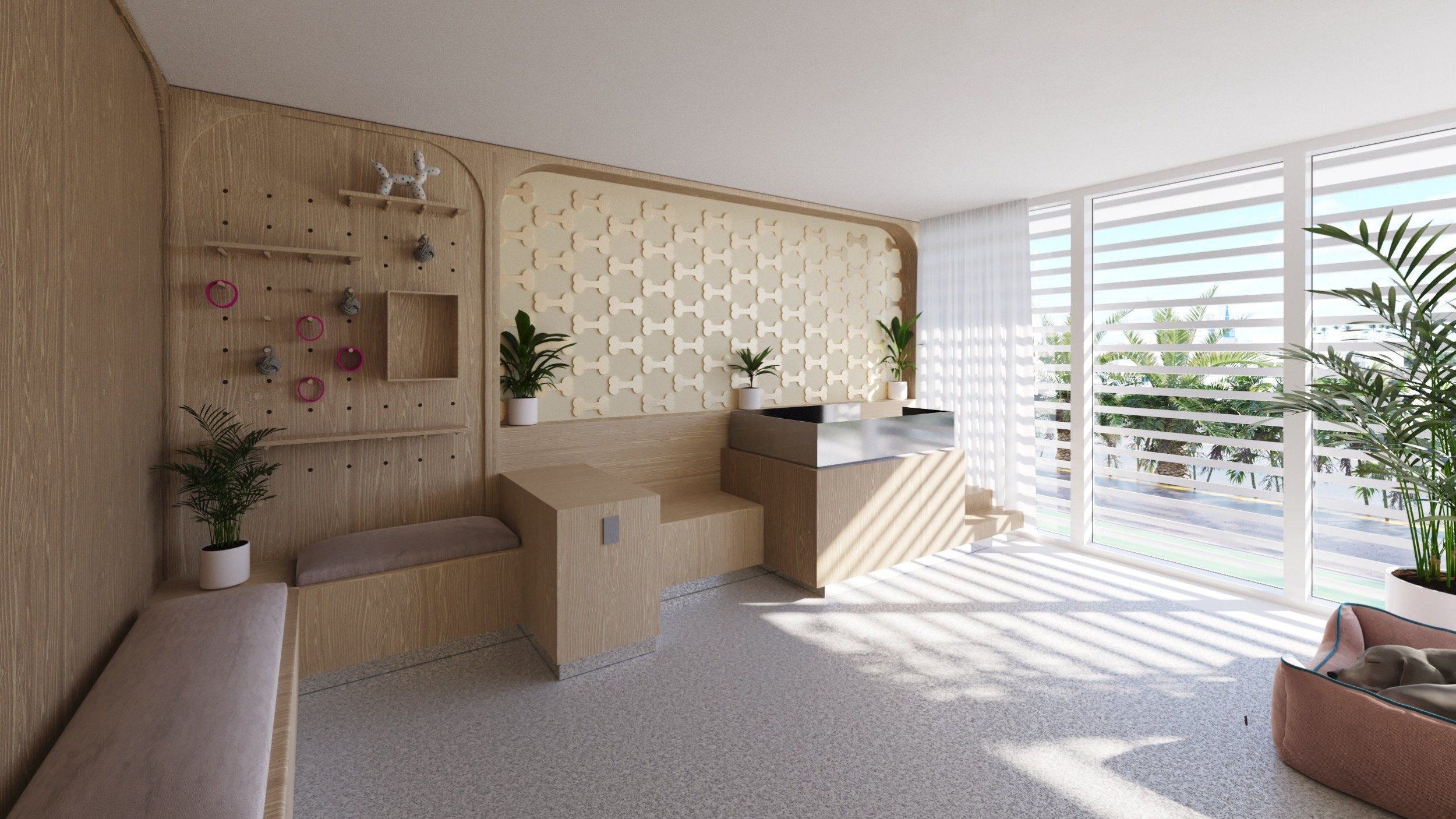
A family relocation brings a different discipline to the Midtown Miami condominium search. The residence must do more than make a memorable first impression. It must support weekday departures, private work, children’s routines, visiting relatives, deliveries, storage, pets, and periods when several household members need the home at once.
That shift does not diminish the importance of architecture, finishes, views, or service. Instead, it places them within a broader definition of value. A successful home feels composed during formal entertaining and on an ordinary Monday morning. The strongest search therefore begins with the household’s operating rhythm, then uses it to assess location, layout, building culture, and ownership responsibilities.
Before touring, map a representative week. Note when household members leave and return, which activities require transportation, how often anyone works from home, and whether caregivers or extended family need regular access. This exercise turns broad preferences into a concise brief.
A request for “more space,” for example, might actually mean a separate study, a bedroom removed from the main entertaining area, or enough concealed storage to keep shared rooms calm. A desire for convenience might mean an efficient arrival sequence rather than simple proximity on a map. In a refined search, each requirement should correspond to a recurring aspect of family life.
This is the essential distinction between aspiration and utility. Both matter, but utility determines whether a residence continues to feel luxurious after the move is complete.
Square footage alone cannot explain how a family will inhabit a condominium. Examine the path from the entry to the kitchen, bedrooms, laundry, and outdoor space. Consider whether arrivals can be managed without disrupting private rooms, whether remote work can occur without overtaking the dining area, and whether overnight guests have suitable separation.
Flexibility deserves particular attention. A room may need to evolve from nursery to study or from playroom to guest accommodation. Evaluate storage by category, including luggage, sports equipment, school materials, seasonal items, and household supplies. Balcony depth, door placement, acoustical separation, and sightlines can matter as much as decorative specifications when several generations share the home.
The goal is not the maximum room count. It is a plan with clear zones, graceful circulation, and enough adaptability to absorb change.
Midtown can remain the center of the search while adjacent options provide useful points of comparison. A family drawn toward the Design District could test its priorities against Kempinski Residences Miami Design District. The purpose is not to assume equivalence, but to identify which elements of the original brief are truly nonnegotiable.
A similar exercise in Wynwood might include Frida Kahlo Wynwood Residences. Touring more than one setting can clarify whether the household values a particular urban atmosphere, a certain building scale, or a simpler daily route above all else.
Edgewater offers another point of comparison through EDITION Edgewater. Farther south, a selective Brickell comparison such as 2200 Brickell can reveal whether the family’s preferred balance of privacy, access, and residential character changes across the city.
These comparisons should remain controlled. Too many alternatives obscure judgment. A concise set of contrasting tours is more useful than a broad collection of loosely matched properties.
Family buyers should study building operations with the same care they give the interior. Ask how arrivals, guests, deliveries, service providers, bicycles, pets, and move-ins are handled. Walk the route from vehicle arrival to the front door. Observe whether common spaces feel intuitive and whether the building’s pace suits the household.
Amenities deserve a practical reading. Rather than counting them, consider likely frequency of use, hours, reservation procedures, supervision needs, and the transition back to the residence. A feature has lasting value when it reduces friction or meaningfully improves time at home.
Ownership review should be equally deliberate. Legal, financial, insurance, maintenance, and renovation questions belong with the appropriate professional advisers. The objective is to understand not only the home as presented today, but also the framework within which the family will occupy, alter, and eventually resell it.
Lifestyle becomes most useful when expressed through observable criteria. Replace “easy mornings” with a target departure routine. Replace “good privacy” with specific expectations for bedroom separation and guest access. Replace “family friendly” with questions about circulation, common-space behavior, storage, staffing, and the household’s own comfort.
A simple scorecard can keep emotion and analysis in balance. Rate each candidate on plan efficiency, privacy, flexibility, arrival experience, building operations, and long-term suitability. Add a concise narrative describing how the residence felt at the busiest imagined hour. The numbers organize the decision; the narrative preserves subtleties a spreadsheet can miss.
Finally, revisit the leading property at a different time and mentally rehearse an ordinary day. Luxury is not merely what photographs well. For a relocating family, it is the quiet confidence that the home will support daily life without constant compromise.
What should a relocating family decide before touring Midtown condos? Define the weekly routine, essential rooms, privacy needs, storage categories, and acceptable trade-offs before selecting properties.
Should square footage be the primary comparison? No. Circulation, room proportions, separation, storage, and adaptability can make similarly sized residences function very differently.
How can parents evaluate a floor plan? Trace actual routines from arrival through meals, work, laundry, bedtime, and guest visits, noting where activities might conflict.
Why compare Midtown with other Miami areas? A small set of contrasting tours can reveal whether location, building scale, layout, or daily access is driving the decision.
How many alternative areas should a family consider? Keep the comparison selective. A few deliberately different options usually yield clearer insight than an unrestricted search.
Which building questions matter for family life? Ask about arrivals, deliveries, guests, pets, service access, amenity procedures, move-ins, and renovation protocols.
How should amenities be assessed? Judge each amenity by expected use, convenience, rules, and its ability to reduce friction in the household’s routine.
Can a home office count as flexible family space? Yes, provided its dimensions, privacy, and placement allow it to serve another realistic purpose as needs evolve.
What deserves professional review before purchase? Appropriate advisers should examine legal, financial, insurance, maintenance, renovation, and other ownership considerations relevant to the property.
What is the best final test before making a decision? Revisit the leading residence and mentally run through both a demanding weekday and a relaxed weekend at home.
For a tailored shortlist and next-step guidance, connect with MILLION.
If branded residences are on your mind — as a home or as an allocation — we would be glad to share what we are seeing, privately.
Begin a quiet conversation