A practical guide to evaluating a Wynwood residence’s connectivity, resilience, digital security, and records policies, with an emphasis on property-specific evidence rather than marketing language.
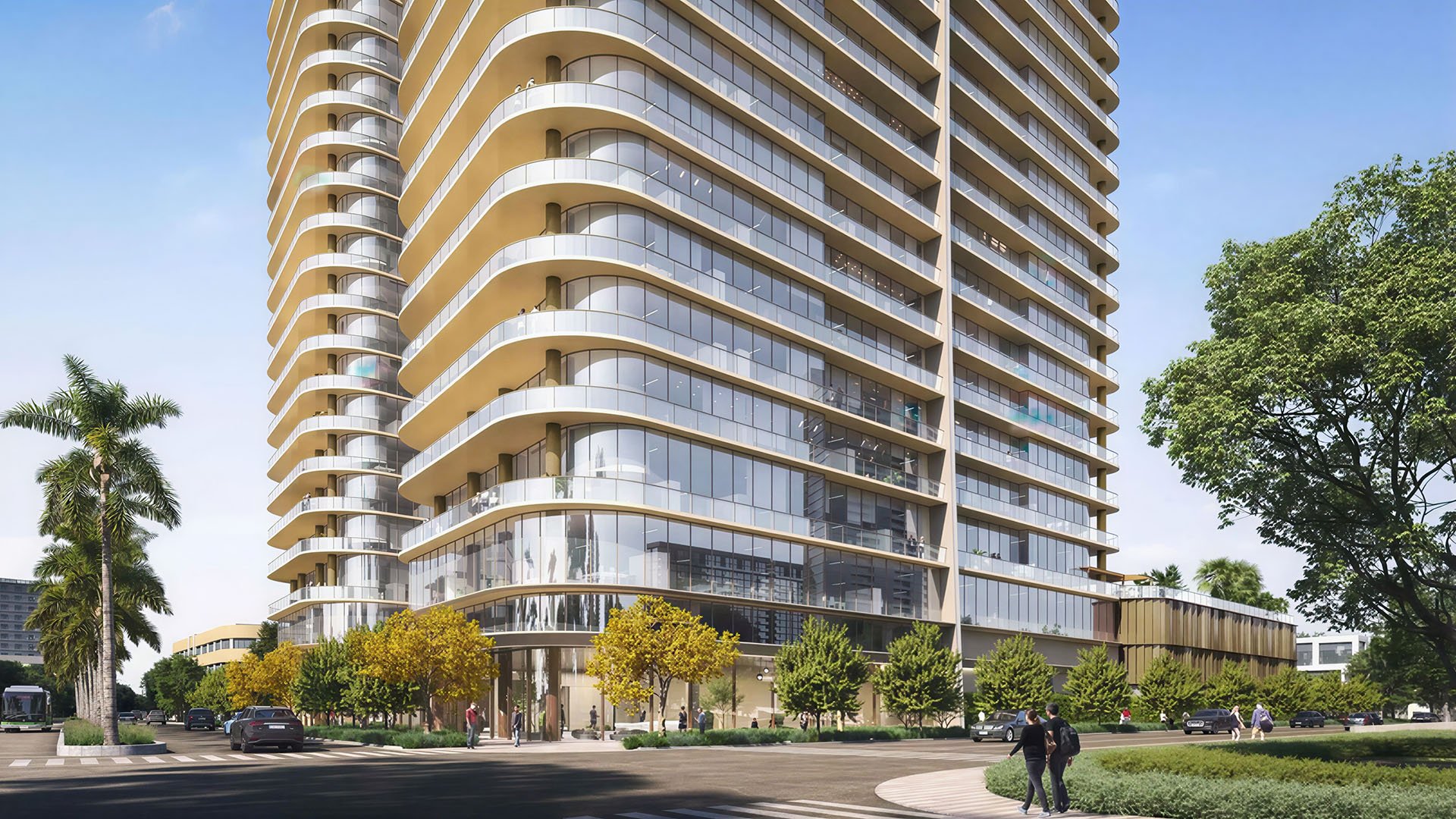
In a luxury residence, digital infrastructure deserves the same deliberate review as acoustics, glazing, and service arrangements. For a Wynwood buyer, the question is not whether the neighborhood has fast internet. It is whether the specific residence can support the buyer’s routine-and whether the building can explain what happens when ordinary service is interrupted.
That distinction belongs early in the purchase conversation. A buyer considering Frida Kahlo Wynwood Residences should request property-specific documentation rather than infer connectivity from the surrounding neighborhood. The project reference is a starting point for diligence, not a statement about its carriers or technical systems.
The clearest review separates four subjects: contracted service, backup connectivity, cybersecurity responsibility, and access-record governance. Each needs its own evidence and an accountable contact. A polished presentation is no substitute for those answers.
Do not treat neighborhood coverage as confirmation of service at a Wynwood property. Begin with written confirmation for the building and intended residence, including the exact product offered and any installation conditions.
Ask which carriers can serve the residence and whether the proposed product is residential broadband, business internet, or dedicated internet. If a proposal promises a private connection or guaranteed speeds, check those terms against the proposed contract rather than treating them as a universal feature of business service.
Ask whether service is already installed, available to order, or dependent on additional work. Request the installation scope, quoted charges, anticipated timing, and any building permissions. Treat these as transaction questions, not assumptions about what a particular property already provides.
For buyers comparing Wynwood with the Design District or Downtown Miami, use the same written questions at every address. Keep each answer tied to the individual residence rather than transferring confidence from one neighborhood or building to another.
Ask the provider to confirm the download and upload speeds available for the intended residence. Review upload capacity separately, particularly if the buyer expects to send substantial files or use video extensively. Confirm whether any advertised symmetrical service applies to the exact plan under consideration.
Headline speed alone makes for an incomplete comparison. For standalone consumer plans, request the applicable broadband label and review typical download speed, upload speed, latency, pricing, additional charges, and data allowances. Do not treat those disclosures as proof of an enterprise service-level agreement or restoration commitment.
The final connection into the property also matters. Ask whether the connection to the premises uses fiber, coaxial cable, or another medium. Confirm the exact contracted product and last-mile medium rather than accepting the word fiber as a complete technical description.
Apply the same discipline when weighing an Edgewater residence such as Aria Reserve Miami against a Wynwood option. Compare the documented service, not the project’s presentation. Likewise, distinguish advertised reliability from documented performance and contractual commitments for the particular building.
Evaluate backup connectivity as a separate arrangement. Request a diagram showing the primary and secondary connections, their building entry points, and any shared equipment or pathways. Ask whether physical route diversity is documented; two carrier names do not establish it.
Then clarify the operating sequence. Does switching require someone to intervene, or is automatic failover specified? What event triggers the switch? Request a dated test record and an explanation of which services were included. Keep a proposed capability and a demonstrated result as separate entries in the diligence file.
Power coverage deserves its own questions. Ask which networking components receive backup power, what operating duration is documented, and who maintains the equipment. Establish whether any backup serves individual residences, common areas, management systems, or a narrower set of functions.
These questions do not establish that a particular property has diverse routes, automatic switching, or backup power. Their purpose is to define precisely what backup means before the buyer relies on it.
Cybersecurity diligence should focus on written responsibilities and evidence, not a broad assurance that the building is secure. Request a description of the boundary between a resident’s network, shared internet facilities, and building-management systems. Ask whether segmentation is implemented and how the arrangement is documented.
For systems relevant to residents, ask who administers accounts, whether multifactor authentication is used, and how vendor access is authorized and withdrawn. Request the process for software updates and security testing, including who reviews unresolved issues. These are review questions, not claims that any Wynwood building has adopted particular controls.
Discretion matters here. A buyer can request an appropriate summary through authorized channels without seeking passwords, sensitive configurations, or unrestricted technical access. If the answers require interpretation, consider a qualified technical adviser to assess the documentation within the permitted scope.
The purchase file should distinguish stated policy from evidence of implementation. It should also identify who will answer operational questions after closing and where the resident’s responsibility begins.
Access-log retention is not a single question. Ask management to distinguish entry credentials, visitor records, administrative activity, and surveillance footage, then identify which categories the property actually maintains. Request the written retention period for each; do not assume one schedule governs everything.
The review should also address purpose and access. Who may retrieve a record? Who may export it? How are requests authorized? Ask how routine deletion works and what process applies when an incident requires records to be preserved. Address any legal interpretation with counsel rather than inferring it from a marketing description.
Do not assume a retention schedule from another organization applies to the residence. Request the property’s own applicable policy and an explanation of how it operates, and ask counsel to clarify any legal requirements relevant to the review.
Longer retention is not automatically a better amenity. The buyer should understand how the policy balances incident review, privacy, and authorized access.
Translate the technical answers into how you intend to use the residence. Identify the services you expect to depend on, the interruptions you would find unacceptable, and the records questions that matter to your household. Ask for written clarification wherever the proposed arrangements remain ambiguous.
For a buyer also considering 2200 Brickell, the same framework can bring discipline to a cross-neighborhood comparison without implying equivalent infrastructure. Keep one file per property: confirmed service, contractual terms, backup evidence, security responsibilities, and retention policies.
A well-considered purchase does not require the largest advertised number. It requires a clear understanding of what is provided, what remains the owner’s responsibility, and which commitments are documented.
Explore South Florida residences with a more considered buyer’s perspective at MILLION.
If branded residences are on your mind — as a home or as an allocation — we would be glad to share what we are seeing, privately.
Begin a quiet conversationDo not treat neighborhood coverage as confirmation for an individual residence. Request written confirmation for the building and intended unit.
Compare typical upload speed, latency, pricing, additional charges, and data allowances. Also confirm the exact product and last-mile connection.
Ask the provider to confirm the speeds available at the exact residence and under the proposed plan. Check whether any advertised symmetrical service applies to that plan.
Do not rely on that description alone. Ask the provider to document the actual last-mile medium and contracted product.
Confirm the proposed connection type and any speed guarantees in the contract. Do not assume those commitments apply to every business internet offering.
Do not treat a consumer broadband label as an enterprise service-level agreement. Request the proposed contract to review any service or restoration commitments.
Request documentation of routes, entry points, switching arrangements, equipment power coverage, and dated tests. Clarify which residential or building services the backup is intended to support.
Ask about network boundaries, account administration, multifactor authentication, vendor access, updates, and security testing. Seek documentation rather than assume these controls are implemented.
Request the property's applicable written policy for each record category. Obtain legal guidance where requirements or exceptions need interpretation.
Review both, but distinguish their policies. Ask for each category's retention period, retrieval permissions, deletion process, and incident-preservation procedure.