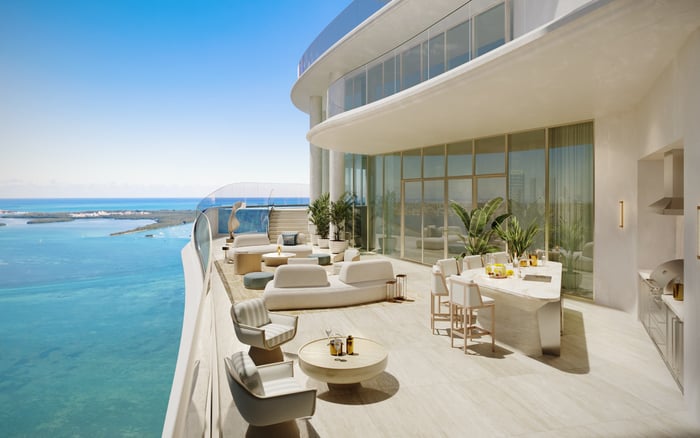
At St. Regis® Residences Brickell, finish selections are more than an aesthetic exercise. Buyers should consider how departures from approved specifications may affect coordination, completion timing, personal enjoyment, and eventual resale appeal.
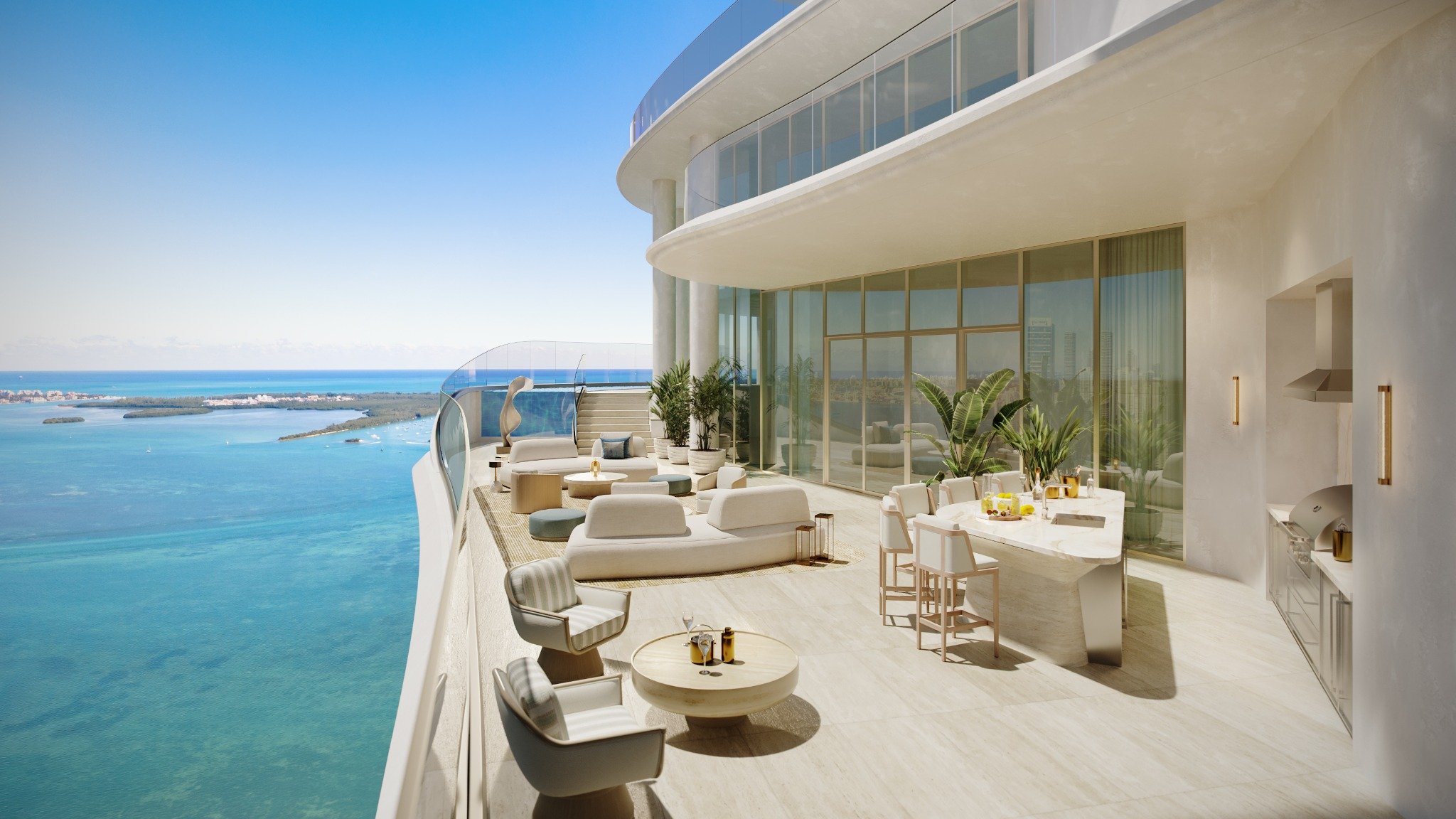
At St. Regis® Residences Brickell, buyers considering interior selections should weigh personal preferences against timing, coordination, and future marketability. The central decision is not simply which finishes look most compelling today, but how far to personalize while preserving a manageable path to completion and an interior that remains legible to the next owner.
This tension is particularly relevant within branded residences. A purchaser may value the coherence of a developer-curated environment while still wanting a home that feels individual. One approach is measured customization: distinctive enough to reflect the owner, yet restrained enough to respect the building’s broader design language.
For second-home purchasers and international owners, a brand-consistent or turnkey approach may also reduce the need to supervise a complex remote renovation and support a more direct transition from closing to occupancy.
Developer-curated finishes can create continuity between private residences and shared spaces. Buyers should confirm every available finish, option, and personalization opportunity through the current contract, finish schedule, and developer selection documents.
Standard specifications can provide a more predictable path to completion when materials, approvals, trades, and installation sequences remain aligned with the developer’s established process. For an owner who values certainty, remaining within approved parameters can be as consequential as choosing a particular aesthetic.
Fully custom work changes the equation. Replacing specified materials, altering layouts, or disrupting installation sequences can add procurement and scheduling complexity. It may also require coordination among the owner, developer, designer, contractor, and suppliers. Each additional decision creates another point at which approvals, lead times, or site conditions may affect progress.
The distinction matters across Brickell’s design-led market. Buyers comparing Baccarat Residences Brickell, Cipriani Residences Brickell, and St. Regis are not evaluating finishes in isolation. They are considering how a private interior contributes to the identity promised by each development.
The scheduling risk of customization is rarely confined to a single selection. A substituted floor may require revised transitions. Different cabinetry can affect measurements, stone fabrication, hardware, and appliance coordination. A layout adjustment may change the order in which several trades complete their work. Even an elegant idea can become time-sensitive when it disrupts an established sequence.
Buyers should therefore distinguish cosmetic choices from modifications that affect construction logic. A selection from approved options may preserve the intended workflow. Depending on its scope and the governing documents, a bespoke intervention may require new drawings, approvals, procurement, installation planning, and inspections.
No universal package menu, selection deadline, change-order fee, or unit-specific delivery effect should be assumed. Before authorizing a departure, the buyer should obtain written clarity on availability, approval responsibility, payment timing, substitution rights, installation scope, and any effect on completion or occupancy.
This is where design and architecture become exercises in risk management. A disciplined brief, established early, can help prevent late-stage revisions. Buyers anticipating substantial customization should align their designer with the project process before committing to materials that may be difficult to source, replace, or install on schedule.
A brand-consistent interior may appeal to future purchasers seeking a recognizable branded-residence experience. That does not require visual anonymity. It does suggest that personalization should remain compatible with the refinement and material quality associated with the property.
Highly individualized finishes can narrow the resale audience when they depart materially from broadly accepted luxury preferences. A future buyer may appreciate exceptional craftsmanship yet still account for the cost, time, and disruption required to reverse overly specific choices. Conversely, a coherent, well-maintained interior can make the home easier to understand at a glance, particularly for purchasers seeking immediate use.
Customization spending should not be presumed to generate an equivalent increase in appraised or sale value. Personal enjoyment is a legitimate return, but it differs from recoverable value. The owner should weigh that pleasure against delivery risk, replacement cost, execution quality, condition, marketability, and the preferences of future buyers.
This principle also applies when comparing a branded concept with a design-forward alternative such as The Residences at 1428 Brickell. The relevant question is not whether one aesthetic is universally superior, but whether the completed residence presents a clear, cohesive proposition to its likely audience.
Begin with the intended hold period and pattern of use. An owner planning long-term personal occupancy may rationally accept greater complexity in exchange for daily enjoyment. A buyer prioritizing near-term occupancy, leasing flexibility where permitted, or eventual resale may favor approved selections with broader appeal.
Next, classify each proposed change by consequence. Does it alter appearance alone, or does it affect dimensions, utilities, fabrication, interfaces, or sequencing? Is the material readily replaceable? Can a future owner reverse the choice without opening walls or disrupting multiple rooms? These questions are often more useful than simply asking whether an upgrade is luxurious.
Finally, document the process. The governing agreement and current developer materials-not informal assumptions-should control expectations. Confirm what is included, what requires approval, who performs the work, when selections become final, and how deviations are treated. Thoughtful restraint can itself be a form of luxury when it protects time, clarity, and optionality.
Does St. Regis® Residences Brickell offer confirmed design packages? Buyers should verify the current menu of choices in their contract, finish schedule, and developer selection documents rather than assume a fixed package structure.
Are standard finishes likely to support a smoother completion process? Approved specifications may provide a more predictable path when they align with established procurement and installation sequences.
How should buyers identify available finish choices? Buyers should review the documents and selection materials applicable to their residence instead of assuming that particular categories or options are available.
Can a material substitution delay completion? It can introduce risk if the substitution changes sourcing, approvals, fabrication, installation, or coordination with other finishes.
Do layout changes create more complexity than cosmetic upgrades? They may, particularly when they affect dimensions, trade sequencing, drawings, utilities, or related installations.
Is a turnkey interior useful for an international buyer? A turnkey or brand-consistent residence may reduce the burden of managing a complex renovation from another city or country.
Will every customization increase resale value? No. Upgrade costs should not be assumed to produce an equal increase in appraisal or eventual sale price.
Can highly personal design choices reduce buyer appeal? They may narrow the audience when future buyers anticipate the cost and disruption of replacing them.
What supports resale beyond interior design? Execution quality, condition, floor plan, buyer preferences, and prevailing market conditions may all influence the result.
What should a buyer confirm before approving an upgrade? Confirm scope, cost, approvals, responsibility, availability, installation requirements, and any potential effect on completion or occupancy.
For a discreet conversation and a curated building-by-building shortlist, connect with MILLION.
If branded residences are on your mind — as a home or as an allocation — we would be glad to share what we are seeing, privately.
Begin a quiet conversation