For boating families, a Miami Beach address is only the beginning. The more consequential questions concern vessel fit, legal dockage rights, route constraints, daily family logistics, and whether a waterfront home supports the way its owners actually use the water.
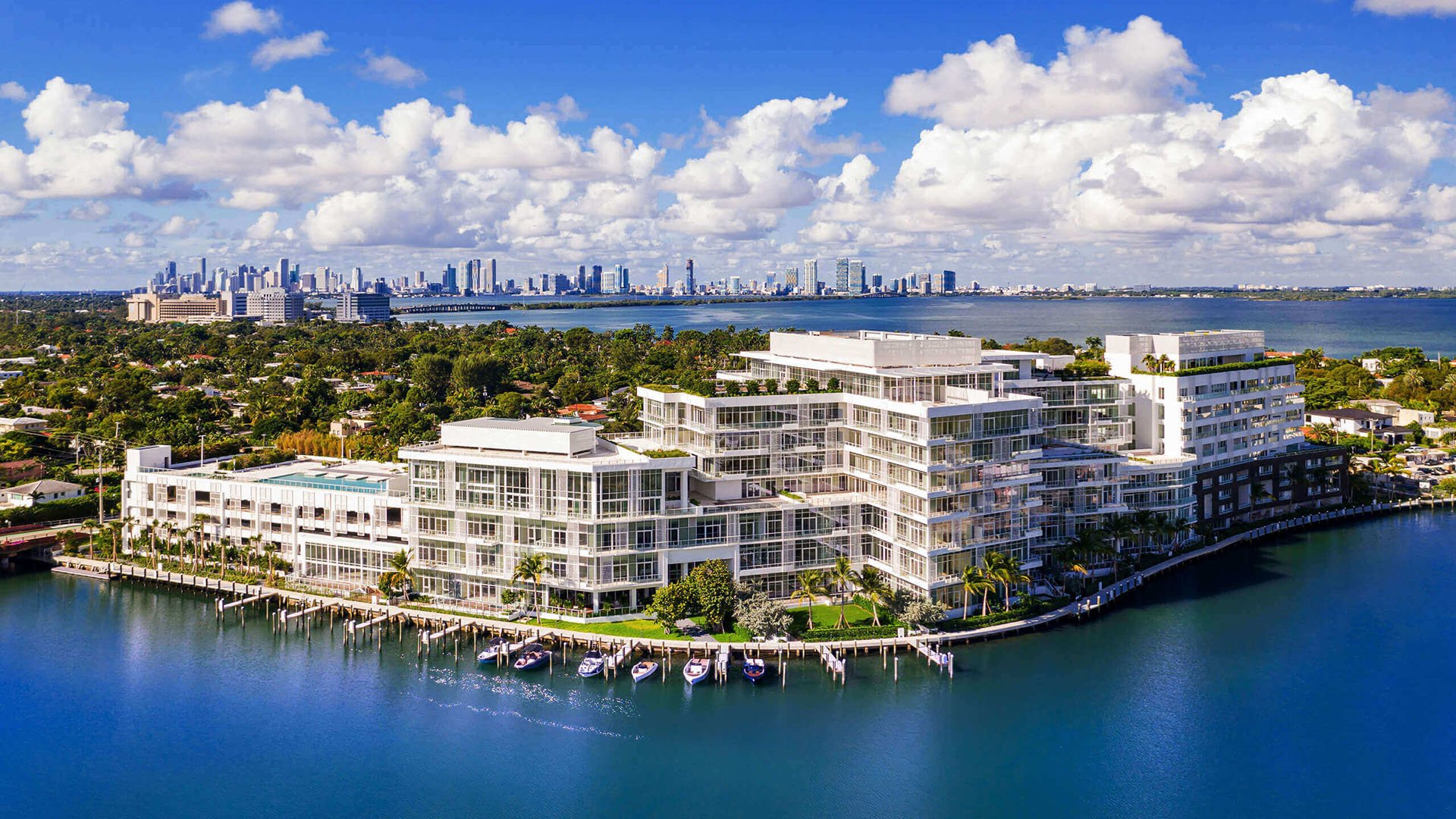
For a family buyer, waterfront real estate in Miami Beach should be evaluated as an operating environment, not simply a beautiful outlook. The central question is not whether the residence overlooks the water, but whether the home, dockage arrangement, and route to open water work together for both the vessel and the family’s routines.
Begin by defining the intended use. Weekend cruising, fishing, watersports, entertaining, and short afternoon outings each create distinct priorities. So do young children, older relatives, crew requirements, and the need to load provisions or equipment. A practical brief should establish who boards, how often the boat is used, what must be carried, and how much friction the family will tolerate before departure.
Labels such as Waterfront, Marina, Boat-slip, and Lifestyle are useful starting points, but they are no substitute for a property-specific review.
A buyer should document the vessel’s length, beam, height above the waterline, draft, weight, and boarding configuration. Future plans matter as well. A dock that accommodates the current boat may become restrictive if the family expects to move into a larger model.
The physical berth warrants close inspection. Consider usable dimensions, piling placement, water depth, tidal variation, lift compatibility, shore power, water service, lighting, security, fendering, and the path from the residence to the boat. Verify measurements under relevant conditions rather than inferring them from photographs, plans, or the presence of another vessel.
This discipline applies equally across very different residential settings. A family considering The Ritz-Carlton Residences® Miami Beach should assess the boating proposition independently of the architecture, interiors, and hospitality services.
Bridge clearance is a route question, not merely a bridge statistic. Buyers should map the entire journey from berth to intended cruising water, identifying every fixed bridge, movable bridge, narrow channel, shallow section, and turning constraint.
Clearance must be measured against the vessel’s actual height, including antennas, radar, outriggers, towers, and other equipment. Water level and operating conditions can alter the available margin. A route that appears acceptable on paper may still prove impractical if it demands frequent bridge openings, careful timing, or leaves little room for error.
Families should test the route in the type of boat they intend to use and at representative times. The true measure is door-to-open-water convenience. When evaluating residences such as Five Park Miami Beach, buyers should complete the route analysis before assigning value to generalized notions of waterfront access.
“Access” can describe several materially different arrangements: a deeded right, an assigned berth, a licensed space, a rental, a wait-list position, or proximity to a third-party marina. Buyers should not treat them as interchangeable.
Counsel should determine what transfers with the residence, whether the right is exclusive, how assignments are made, which vessel limits apply, and whether leasing or guest use is permitted. The review should also address fees, insurance obligations, maintenance responsibility, operating rules, liveaboard restrictions, commercial-use limitations, and severe-weather procedures.
Availability today does not guarantee availability after closing. Any berth central to the purchase decision should be confirmed in writing, together with its dimensions and governing terms. The same standard applies when comparing Apogee South Beach or any other premium residence near the water.
A technically suitable slip can still be inconvenient. Walk the route from the residence with the family’s likely gear: coolers, bags, fishing equipment, towels, strollers, and safety equipment. Note elevators, stairs, gates, parking access, cart storage, restrooms, and exposure to sun or rain.
Consider both arrival after dark and return with tired children. Ask how guests board, where crew or captains can park, how deliveries reach the vessel, and whether service access compromises family privacy. Noise, lighting, wake, fuel access, and marina traffic can shape daily enjoyment even when the berth itself is adequate.
A buyer comparing an ocean-oriented residence such as The Perigon Miami Beach with a home closer to preferred dockage should determine which compromise is easier to live with: traveling to the boat or accepting a less direct route from berth to open water.
The financial comparison should extend beyond the purchase price. Build an annual boating-access budget that accounts for berth charges, association assessments attributable to waterfront infrastructure, utilities, insurance, maintenance, lift or dock servicing, captain or crew logistics, and off-site alternatives when the regular berth is unavailable.
Then test resilience. What happens if the family changes boats, the dock requires work, operating rules evolve, or the preferred route becomes less convenient? A strong purchase retains its appeal even when one element of the boating plan changes.
The most refined decision matrix assigns separate scores to residence quality, berth certainty, vessel fit, route quality, family convenience, operating cost, and future flexibility. This prevents a dramatic view or polished amenity package from obscuring a structural mismatch.
Before committing, buyers should engage qualified professionals to inspect the berth and relevant waterfront infrastructure, review governing documents, confirm the legal nature of the dockage, and validate vessel dimensions against the full route. Insurance and marine-service advisers should be consulted where appropriate.
A sea trial of the lifestyle is equally valuable. Run the route, board with the family, simulate loading, and time the journey. In Miami Beach, the best boating residence is not necessarily the one closest to the water. It is the one that makes ownership an easy, repeatable family ritual.
Does a waterfront residence automatically include a boat slip? No. Waterfront positioning and legal dockage rights are separate matters, and both require written confirmation.
What vessel dimensions should a buyer verify? Verify length, beam, draft, height above the waterline, weight, and boarding configuration.
Why does bridge clearance require professional review? Vessel equipment, water conditions, route selection, and operating margins can all affect practical clearance.
Is a deeded berth always preferable? Not automatically. Its dimensions, restrictions, costs, transferability, and compatibility with the vessel still matter.
Should buyers inspect the route at different times? Yes. Traffic, bridge timing, weather, visibility, and family routines can change the experience.
What should families examine between the residence and dock? Review elevators, gates, stairs, parking, storage, lighting, weather exposure, and guest access.
How should future boat upgrades affect the purchase? Buyers should determine whether the berth and route can accommodate likely changes in vessel size or configuration.
Do marina fees capture the full boating cost? No. Utilities, insurance, maintenance, servicing, crew logistics, and alternative dockage may also apply.
When should dockage terms be confirmed? Confirm material rights, availability, dimensions, charges, and restrictions before the purchase becomes binding.
What is the best final test for a family buyer? Complete the full home-to-water journey with the family and intended vessel before deciding.
For a tailored shortlist and next-step guidance, connect with MILLION.
If branded residences are on your mind — as a home or as an allocation — we would be glad to share what we are seeing, privately.
Begin a quiet conversation