A buyer-focused guide to using energy-aware automation as an early filter for South Florida luxury residences before scheduling private tours.
For a South Florida luxury buyer, the first tour should not mark the start of due diligence. It should be the moment a carefully edited shortlist comes to life. Energy-aware automation belongs at the center of that early edit because it touches what matters most in daily ownership: comfort, discretion, utility, convenience, and the way a residence responds when no one is thinking about it.
Even the most polished homes can ask too much of their owners. Blinds that require constant adjustment, rooms that feel uneven throughout the day, lighting scenes that look theatrical rather than livable, and climate systems that demand too much manual attention all create friction. In an ultra-premium residence, automation should remove that friction without becoming the story.
Before the first private tour, buyers should ask a simple question: does the home appear designed to anticipate real living patterns, or does it merely display technology? That distinction can refine a search across Brickell, Miami Beach, Sunny Isles, Coconut Grove, new-construction, and second-home options before time is spent walking properties that will not fit.
Energy-aware automation is not simply a collection of smart devices. It is an integrated approach to how a home uses light, shade, cooling, ventilation, appliances, and occupancy settings in relation to the owner’s preferences. The best systems feel almost invisible. They respond to the household, protect comfort, and eliminate unnecessary effort.
For buyers, the goal is not to be impressed by a tablet on the wall. The stronger question is whether lighting, climate, window treatments, access, and monitoring have been composed as one living environment. A system that performs well should make the residence easier to occupy, easier to leave while traveling, and easier to return to without a long reset.
This is especially relevant for buyers who divide time among homes. A second home must behave gracefully in absence. It should support arrival scenes, away settings, remote awareness, and simple control without requiring the owner to become a technician.
A refined shortlist starts with questions that go beyond finishes. Ask what is automated, what is integrated, and what remains manual. One home may have smart lighting but little meaningful coordination with shades or temperature. Another may have sophisticated climate control but lack intuitive scene planning. The point is not maximum technology. The point is coherence.
Consider whether the residence supports programmed daily scenes for morning, afternoon, evening, entertaining, away mode, and return mode. Ask how easily settings can be adjusted for guests, household staff, or seasonal use. Ask whether the interface is simple enough for everyday living or dependent on a specialist for routine changes.
Also clarify what the system controls at the residence level versus the building level. In a condominium, certain features may be private to the unit while others relate to broader building systems and services. That clarity prevents assumptions during the tour and makes it easier to compare one property with another.
Luxury buyers often begin with views, floor plans, and amenities. Those remain essential, but comfort is what the owner experiences every day. Energy-aware automation can support that comfort through better light management, more considered climate settings, and smoother transitions between living modes.
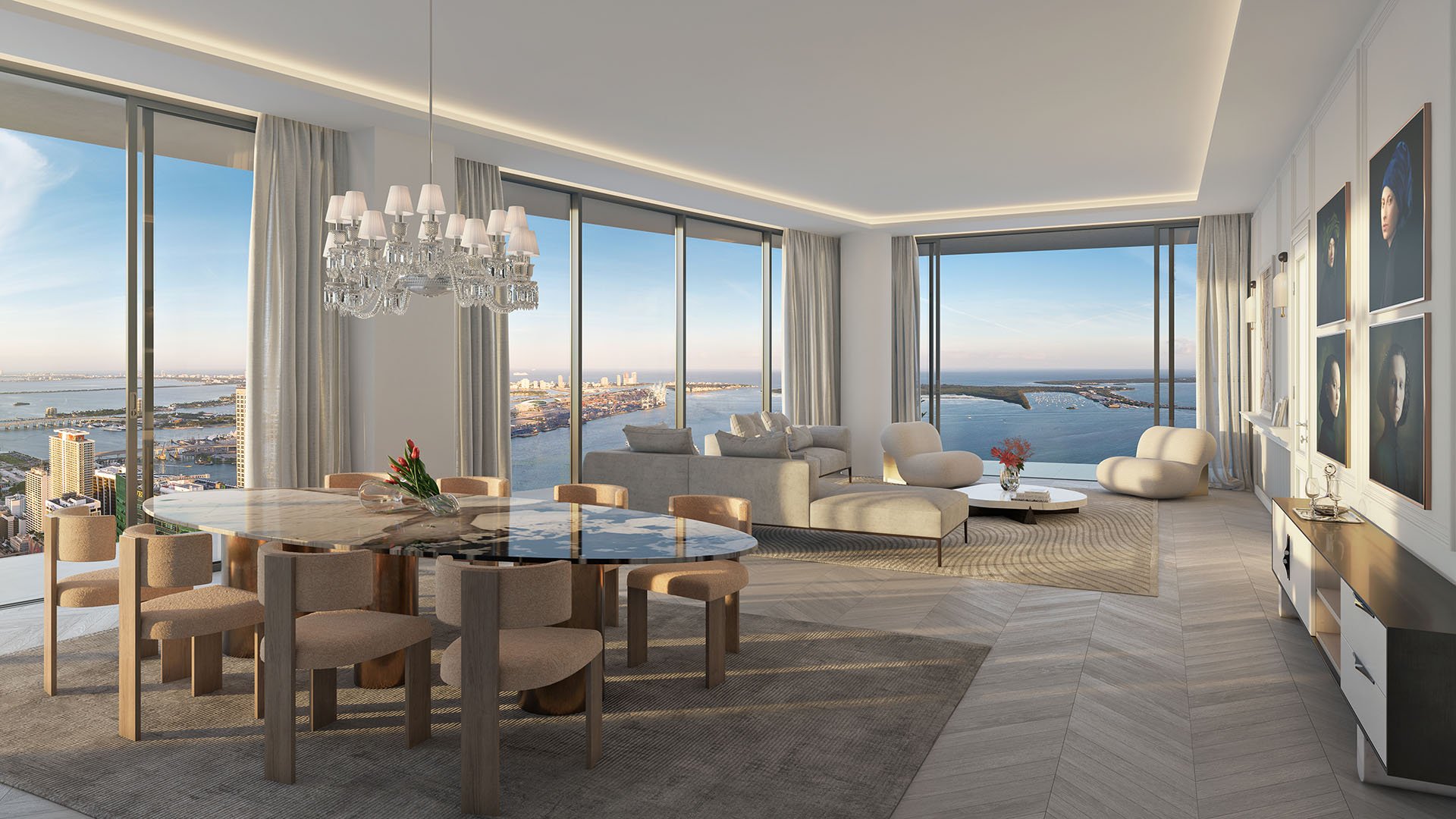
A residence with expansive glass may feel spectacular at first glance, but buyers should consider how the home manages brightness, glare, privacy, and temperature throughout the day. Automated shading, thoughtful lighting scenes, and intuitive climate zoning can turn architectural drama into livable elegance.
The ideal outcome is not a house that feels mechanical. It is a house that feels calm. Rooms should maintain their poise during work, rest, dining, entertaining, and absence. If a property requires constant adjustment to feel right, that should be noted before it earns a tour.
In the upper tier of the market, automation is not only about energy. It is also about control. Buyers should evaluate whether systems can distinguish between owner access, family access, guest use, and service access in a way that feels discreet and secure.
The best arrangements allow the owner to simplify the home for different users without exposing every control. Guests should be able to operate essential functions with ease. Staff should be able to perform their roles without unnecessary system privileges. Owners should be able to review and adjust settings without friction.
This matters before the tour because a property that looks elegant can still be operationally complicated. A residence intended for frequent entertaining, family visits, or part-time occupancy should be judged on how gracefully it manages those patterns.
New-construction homes may offer a cleaner path to integrated automation because systems can be planned as part of the design package. Still, buyers should not assume that new automatically means seamless. The quality of the user experience depends on planning, integration, and support.
Existing residences can be highly compelling when the architecture, location, and proportions are right. In those cases, automation becomes a question of readiness and adaptability. Can existing systems be updated without compromising interiors? Are controls intuitive, or have layers of past upgrades made the experience unnecessarily complex?
The smartest shortlist does not favor new or existing by default. It favors residences where the automation strategy supports the way the buyer intends to live.
By the time a buyer steps into a property, much of the automation conversation should already be framed. The tour should confirm whether the residence feels as composed as described. Observe how lights transition, how shades operate, how rooms feel, and how quickly the home can move from private mode to entertaining mode.
Ask to see everyday scenes, not only dramatic demonstrations. A dinner party scene can be beautiful, but morning routines and away settings often reveal more. Notice whether the system feels elegant or overbearing. True luxury is rarely the number of controls. It is the absence of unnecessary decisions.
For MILLION clients, the value of this approach is focus. Instead of touring every impressive address, the buyer tours homes that already meet a higher standard of livability.
Should energy-aware automation influence my shortlist before I tour? Yes. It helps identify homes that are more likely to feel comfortable, efficient, and easier to own in daily life.
Is smart-home technology the same as energy-aware automation? Not always. Smart devices may operate individually, while energy-aware automation connects systems around comfort, use patterns, and control.
What should I ask before scheduling a showing? Ask which systems are integrated, how scenes are programmed, how away mode works, and how easily owners can adjust settings.
Does automation matter more for a second home? It often matters greatly because part-time owners benefit from remote awareness, arrival preparation, and simplified absence settings.
Should I prioritize automation over location? No. Location remains foundational, but automation can help distinguish between otherwise comparable luxury residences.
Can older residences still be strong candidates? Yes. The question is whether existing systems are intuitive, serviceable, and adaptable to the buyer’s preferred lifestyle.
What is a red flag during a tour? A red flag is a system that requires excessive explanation for basic comfort, lighting, privacy, or guest use.
How should I evaluate automation in a condominium? Separate what is controlled inside the residence from what is managed at the building level, then judge the total ownership experience.
Is the most advanced system always the best choice? No. The best system is the one that feels intuitive, discreet, reliable, and aligned with how the household actually lives.
When should an advisor discuss automation with me? It should be discussed before the first tour so the shortlist reflects comfort, control, and ownership quality from the start.
If you'd like a private walkthrough and a curated shortlist, connect with MILLION.
If branded residences are on your mind — as a home or as an allocation — we would be glad to share what we are seeing, privately.
Begin a quiet conversation