For foreign buyers of South Florida new-construction condominiums, flood insurance belongs on the closing calendar well before funds move. A considered strategy aligns effective dates, association coverage, personal belongings and flood-related displacement protection.
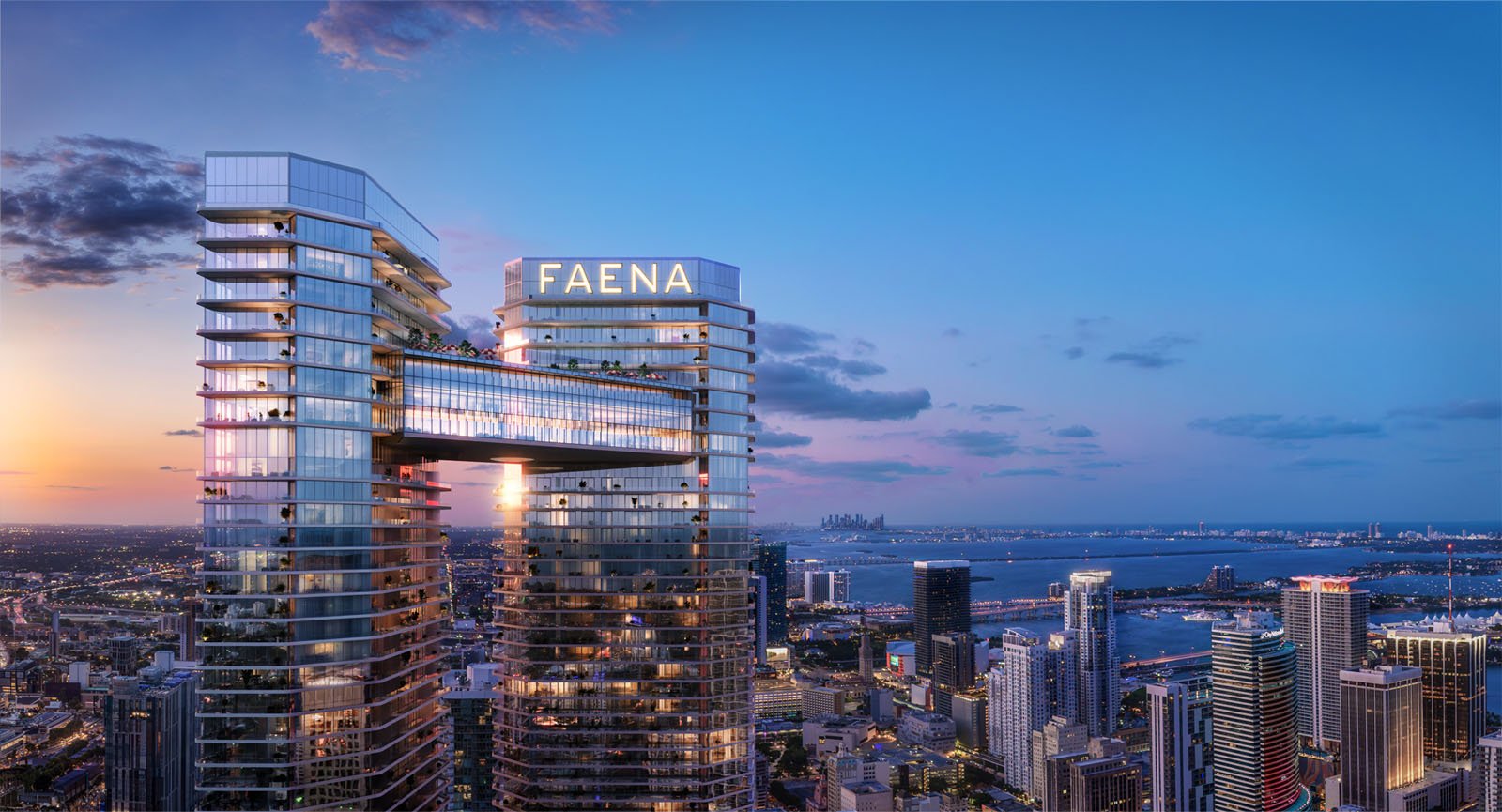
A South Florida condominium purchase is not fully protected simply because the deed has transferred and the residence is ready for furniture. For a foreign buyer, insurance deserves the same advance coordination as funds transfer, possession and travel. The central question is not whether a policy has been quoted, but whether the right protection will be in effect when ownership begins.
Waterfront appeal does not establish a property's flood classification or insurance terms. Flood insurance is separate from ordinary property insurance, and building coverage does not automatically protect belongings. A complete closing strategy must distinguish the association's interests, the owner's interests and the expense of living elsewhere after a covered event.
Before choosing individual coverage, request the association's master flood and property policies, insurance certificates and deductibles. Add the flood-zone determination, available elevation documentation, certificate of occupancy and lender requirements to the closing file. Ask the insurance adviser to identify which insured interests the association's policy covers and what individual building and contents protection is needed.
For a buyer evaluating The Residences at 1428 Brickell, this is a practical Brickell due-diligence framework, not a statement about the property's insurance. Project presentation cannot substitute for actual policy documents.
In Miami-Dade, verify the property's mapped location rather than relying on marketing descriptions. Homes in high-risk flood areas with mortgages from government-backed lenders generally must carry flood insurance. For a condominium transaction, have the lender confirm how the proposed combination of association and individual coverage satisfies its requirements.
The National Flood Insurance Program, or NFIP, generally imposes a 30-day waiting period. Purchasing a policy during closing week can therefore leave a gap. Cash buyers should work backward from the anticipated transfer date rather than assume that paying the premium creates immediate protection.
A qualifying mortgage transaction can change that timetable. Coverage purchased in connection with making, increasing, extending or renewing a loan can take effect at closing when the application and premium requirements are met. Obtain written confirmation that the transaction qualifies and that the required steps are complete. Financing alone is no substitute for that confirmation.
Contents-only coverage requires a separate timing review. Do not assume that financing the condominium also eliminates the wait for furniture and personal belongings. The loan-related exception for contents depends on whether those contents form part of the loan's security; have the agent confirm the requirements for the transaction.
Assuming an eligible existing flood policy can provide another waiting-period exception. For new construction, first establish that such a policy exists and can be assumed. Neither foreign nationality nor a cash closing creates an automatic exception.
Request NFIP and private-flood proposals alongside the unit-owner policy. Compare more than premiums: assess the effective date, covered property, valuation, limits, exclusions and deductibles across the entire arrangement.
Private flood insurance can offer broader protection, including additional living expenses and different limits or settlement provisions. Those features depend on the contract purchased. No universal private-flood waiting period applies to every quote. Obtain written confirmation of coverage inception, outstanding underwriting conditions and any binding restrictions. Where financing is involved, confirm that the lender will accept the proposed policy before relying on it for closing.
A purchaser considering The Perigon Miami Beach should apply the same discipline to a Miami Beach acquisition. The project name does not establish a carrier's terms or the scope of association protection.
NFIP covers qualifying direct physical flood damage-not every form of water intrusion or every expense following a flood. Ask the adviser to explain what constitutes a covered event in each proposal rather than treating all water-related damage as interchangeable.
NFIP residential contents coverage is available up to $100,000, subject to policy terms. Building and contents protection must be selected separately, and each has its own deductible. When the same flood damages both insured structures and belongings, both deductibles can apply.
For a carefully furnished residence, valuation matters as much as the headline limit. NFIP personal-property claims are generally settled on an actual-cash-value basis, reflecting depreciation rather than necessarily funding new replacements. Art, jewelry and collectibles can face special limits or exclusions; the contents limit is not blanket protection for a collection.
Create a room-by-room inventory before moving belongings into the residence. Retain photographs, receipts and ownership records in an accessible digital file. Review where property will be stored: contents protection has important restrictions in basements and certain areas below elevated buildings. Compare any private proposal's valuation and special-property provisions rather than assuming they are broader.
NFIP does not cover additional living expenses or loss of use, including temporary accommodation while flood repairs are completed. That exclusion warrants explicit attention when a residence is intended to anchor extended visits to South Florida.
For an owner evaluating Bentley Residences Sunny Isles, the Sunny Isles Beach accommodation plan should be considered separately from the repair budget. This is a planning principle, not a representation of coverage at the property.
An additional-living-expense provision in a homeowners or renters policy does not establish coverage for flood-related displacement. The cause of loss must be covered. If a private flood proposal includes this protection, request the exact clause, covered trigger, dollar limit, time limit and any waiting period. Do not treat “loss of use” as a promise to fund every alternative living arrangement.
Foreign buyers should disclose seasonal occupancy, vacancy, rental intentions and property-management arrangements to the insurance adviser. These are practical underwriting details, not reasons to assume a different NFIP waiting-period rule.
Before authorizing funds transfer, reconcile coverage inception with deed transfer, possession and lender funding. Keep declarations, evidence of premium payment and insurer contact details with the association documents. Request separate confirmation of building, contents and any flood-related displacement coverage, including unresolved conditions.
If the closing date changes, revisit the effective dates rather than treating the original insurance schedule as settled. The objective is documented alignment between ownership and protection, with any remaining exposure understood before the residence becomes yours.
For a considered approach to your South Florida condominium search, connect with MILLION.
If branded residences are on your mind — as a home or as an allocation — we would be glad to share what we are seeing, privately.
Begin a quiet conversationStart well before closing because NFIP policies generally have a 30-day waiting period. Confirm the effective date before relying on coverage for ownership or possession.
A qualifying transaction involving making, increasing, extending or renewing a loan can permit coverage at closing when application and premium requirements are met. Obtain transaction-specific confirmation.
No. Without another documented exception, a cash buyer should plan around the ordinary NFIP waiting period.
No. Contents-only timing requires separate review, including whether the belongings are part of the loan's security.
Assumption of an eligible existing policy can provide a waiting-period exception. For new construction, confirm that a policy exists and is eligible for assumption.
The association and unit owner have different insured interests. Review the master policy before deciding what individual building and contents protection is needed.
Residential contents coverage is available up to $100,000, subject to limits, exclusions, valuation provisions and deductibles. High-value belongings can face additional restrictions.
Personal-property claims are generally settled on an actual-cash-value basis, reflecting depreciation. Building and contents also have separate deductibles.
NFIP does not cover additional living expenses or loss of use. Private flood insurance may offer this protection, but the covered trigger and financial and time limits must be checked.
Confirm the effective date, underwriting conditions, binding restrictions, limits, valuation terms and any flood-related displacement clause. If financing the purchase, also obtain lender acceptance of the proposed policy.