A practical due-diligence framework for comparing wellness access, indoor-air systems, water filtration, and booking rules at two Miami Beach residences.
Buyers considering Setai Residences Miami Beach and The Perigon Miami Beach should begin with the same due-diligence categories, even when the answers may differ. A useful comparison examines how wellness spaces operate, what mechanical systems serve each residence, how drinking water is treated, and which rules govern reservations, guests, and leasing.
Marketing language can introduce the lifestyle vision, but ownership decisions should rest on documents and written answers. Buyers should distinguish current operating practices from proposed procedures, unit-specific improvements from building standards, and informal explanations from rights incorporated into governing or purchase materials.
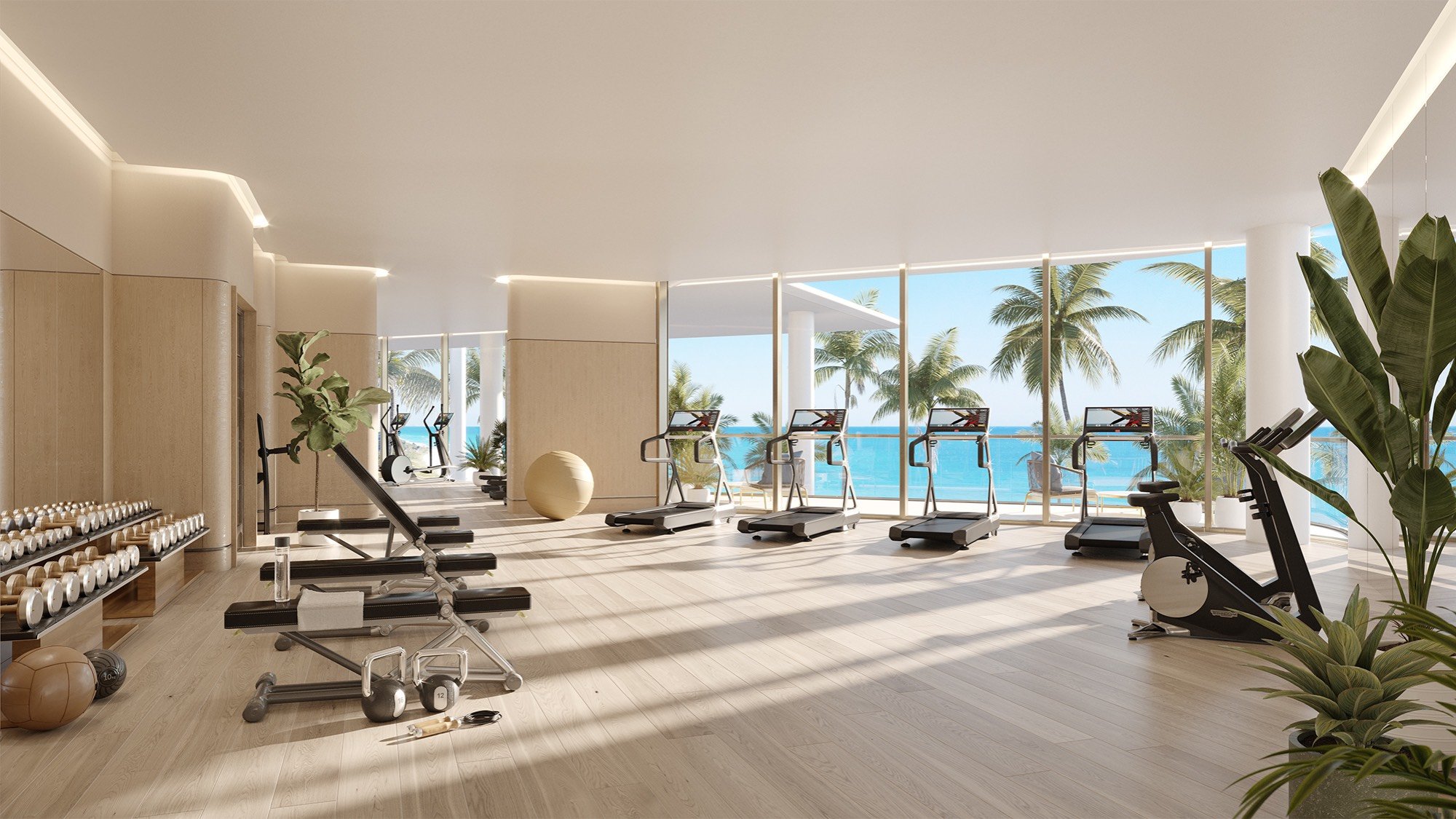
A wellness amenity has practical value only when its capacity, access, and operating rules are understood.
This framework also helps prevent an incomplete comparison. One property may provide detailed information in a particular category while another requires additional questions. A missing public detail should be treated as an open diligence item rather than proof that a feature is present or absent.
An amenities list does not reveal whether an owner can use a space at a preferred time. Buyers should ask how many people each wellness area can accommodate, whether reservations are required, how far in advance bookings open, and whether owners receive priority. Hours, closures, cancellation terms, fees, and guest eligibility should also be confirmed in writing.
Treatment areas, fitness rooms, pools, relaxation spaces, and beach services can each operate under different rules. A buyer should therefore avoid treating general access as confirmation that every service is included or equally available. Ask which offerings require separate appointments, which carry additional charges, and whether access differs for owners, household members, guests, and renters.
Staffing is another important part of capacity. Buyers can request information about how appointments will be managed, who handles owner requests, and what happens during periods of high demand. If outside providers may use a wellness space, confirm the approval, insurance, scheduling, and access requirements that would apply.
The same capacity-based review can be used when comparing other Miami Beach residences, including The Ritz-Carlton Residences® Miami Beach. The goal is not to identify the longest amenities list. It is to understand which facilities are usable under the conditions that matter to the buyer.
Indoor-air diligence should begin with the systems serving the specific residence. Buyers should request available mechanical specifications, equipment schedules, maintenance records, filter information, and details about outside-air delivery. They should also ask whether equipment is controlled or maintained by the owner, the association, or another operating entity.
Filter type is only one part of the inquiry. Humidity management, ventilation, smoke control, equipment condition, and maintenance frequency can affect how a system performs. Buyers should ask a qualified inspector or mechanical professional to review accessible equipment and the documents available for the residence.
Renovated interiors should not be treated as evidence of air-system performance. If a residence has owner-installed equipment or alterations, request permits, approvals, warranties, and service records where applicable. Confirm which replacement filters or components are required and whether changes need prior approval.
For a development or residence where final details remain subject to project documents, buyers should identify which specifications are binding and which remain illustrative. Written purchase materials, governing documents, and applicable technical schedules should control the analysis.
Water-filtration claims require careful definition. A system may serve one fixture, several fixtures, an individual residence, or a broader portion of a property. Buyers should ask exactly where filtration occurs and avoid assuming that equipment identified in one residence is standard elsewhere.
For existing equipment, request the manufacturer, model, installation information, replacement schedule, and available service history. Confirm which fixtures receive filtered water, who purchases replacement components, and who is responsible for maintenance or damage. An inspection can help identify disconnected, bypassed, leaking, or overdue equipment.
When filtration is not clearly specified, ask whether an owner may install a system after closing. The response should address permitted equipment locations, alteration approvals, plumbing requirements, access for servicing, and responsibility for leaks. These questions can materially affect whether a proposed installation is practical.
Buyers comparing newer Miami Beach offerings, such as Shore Club Private Collections Miami Beach, can apply the same residence-by-residence method. The relevant answer is not simply whether filtration is mentioned, but what is filtered, by which equipment, and under whose maintenance obligation.
The word “booking” can refer to wellness appointments, amenity reservations, guest registration, or leasing. Buyers should separate these categories and obtain the rules for each. A permissive procedure in one category does not establish flexibility in another.
For wellness and amenity reservations, ask about advance-booking windows, owner priority, cancellation charges, guest limits, and peak-period restrictions. Confirm whether household members can book independently and whether renters or guests receive the same access as owners. Any important representation should be matched to the relevant written policy.
For leasing, request the applicable declaration, rules, purchase materials, and management requirements. Review minimum lease periods, permitted frequency, application procedures, registration obligations, platform restrictions, fees, and renter access to amenities. Buyers should not transfer assumptions from one Miami Beach property to another.
Management arrangements also deserve scrutiny. Confirm whether an owner must use a designated program, may select an independent manager, or may manage a residence directly, but only to the extent addressed by controlling documents. Ask how keys, guest credentials, building access, housekeeping, maintenance calls, and damage issues would be handled.
The financial review should account for all verified charges associated with the intended use. Rather than relying on a projected headline return, buyers should model applicable management costs, booking expenses, operating charges, taxes, maintenance, and periods without occupancy using information reviewed by their advisers.
A disciplined closing file should bring the four diligence categories together. Collect the governing documents, current or proposed rules, residence specifications, mechanical records, filtration details, amenity policies, fee schedules, and written responses to material questions. Keep track of whether each item applies building-wide, to a particular residence, or only to a specific service.
Legal, inspection, and mechanical professionals should review matters within their respective expertise. The buyer can then assess whether the documented operating structure fits the intended use, whether that means a primary home, seasonal residence, or property that may be leased when permitted.
Before completing the comparison, buyers should be able to answer four questions clearly: How usable are the wellness facilities under the applicable access rules? Which air systems serve the residence, and who maintains them? What water is filtered, by which equipment, and under whose responsibility? Which booking, guest, and leasing provisions govern the intended use?
For discreet guidance on evaluating these Miami Beach opportunities, connect with MILLION.
If branded residences are on your mind — as a home or as an allocation — we would be glad to share what we are seeing, privately.
Begin a quiet conversationCompare usable capacity, reservation procedures, operating hours, owner priority, fees, and guest access. Confirm each point through the applicable property documents or written policies.
A list does not explain availability, scheduling, charges, closures, or who may use each space. Buyers should evaluate how the amenities operate in practice.
Request available mechanical specifications, equipment schedules, maintenance records, filter information, and outside-air details. Clarify which party maintains each component.
No. Buyers should have accessible equipment and available records reviewed rather than infer system performance from finishes.
Confirm which fixtures are served, the equipment used, its service history, and the responsible party. Verification should be specific to the residence under consideration.
Ask whether installation is permitted and what approvals, locations, plumbing requirements, and maintenance obligations apply. Responsibility for leaks should also be clarified.
Booking rules may address wellness appointments, amenity reservations, and guest registration. Each category should be reviewed separately.
Review minimum lease periods, frequency limits, applications, registration, platform restrictions, fees, and renter amenity access. The controlling documents should guide the analysis.
Each property can have distinct governing documents and operating procedures. Assumptions should be replaced with property-specific verification.
Include governing documents, rules, specifications, equipment records, amenity policies, fee schedules, and written responses to material questions. Note whether each item applies to the building, the residence, or a particular service.