A buyer-focused framework for comparing wellness access, air-quality specifications, water filtration, and reservation policies at Baccarat and Faena, with an emphasis on written commitments and everyday usability.
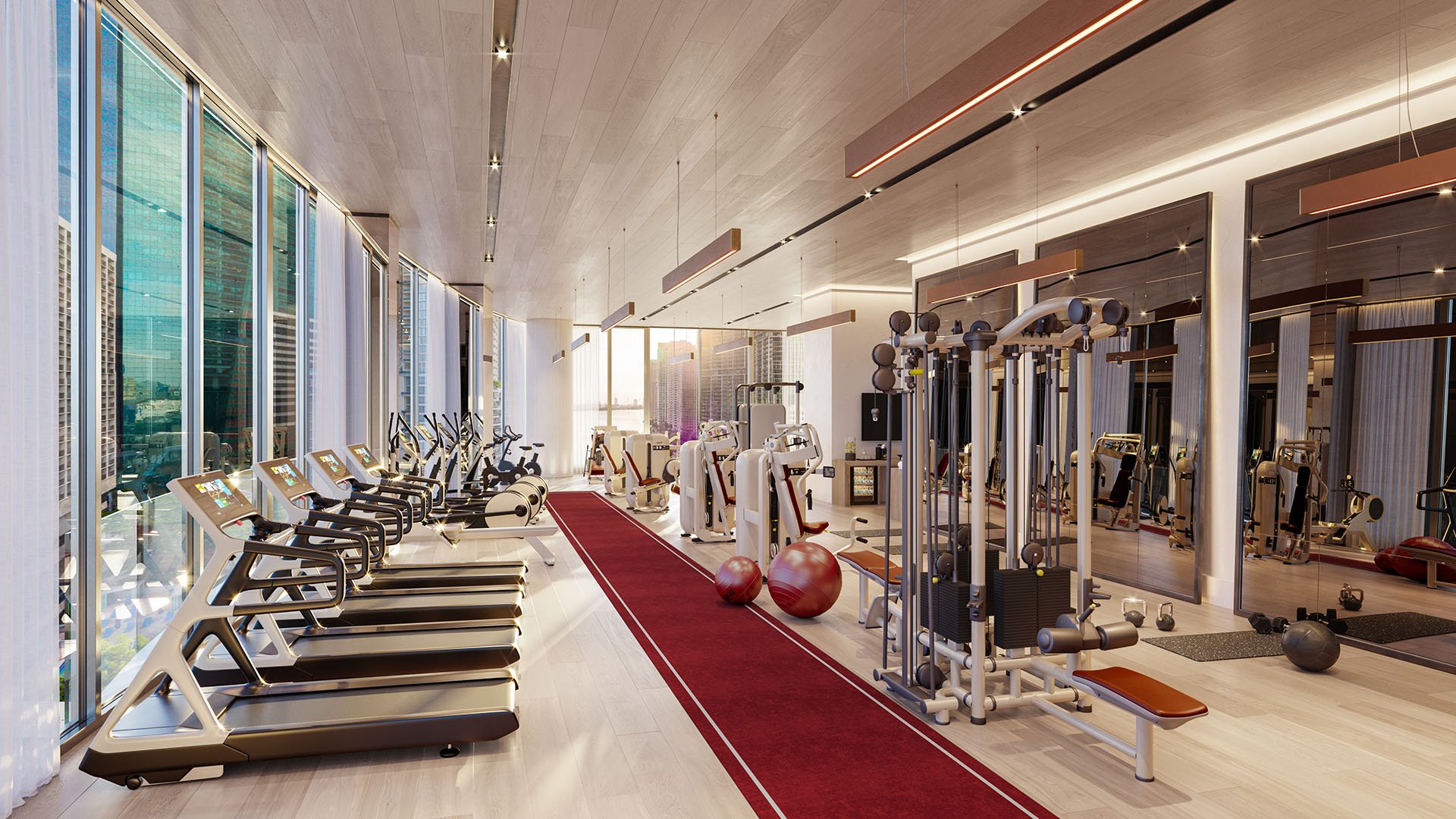
The most useful wellness question is not how an amenity looks, but whether it will serve your life on an ordinary Tuesday. For buyers considering Baccarat Residences Brickell and Faena Residences Miami Downtown Miami, a disciplined review separates four subjects: usable capacity, air quality, water treatment, and access rules.
Treat these as due-diligence categories, not assumed attributes of either address. Request the same documents and ask the same operational questions for both. A polished presentation can open the conversation; purchase documents, technical specifications, and applicable residential policies should guide the decision.
The objective is not to choose a winner on branding alone. It is to establish which residence offers the clearest documented fit for your household-and which questions need answers before you commit.
Start with your intended routine: an early workout, a private treatment, a weekend session with a partner, or occasional visits with guests. Then ask which proposed or available facilities support it. A room shown in a presentation does not establish its operating hours, staffing, or resident availability.
Request an inventory identifying each space, its intended use, simultaneous user limit, and any staffing requirement. Clarify whether capacity means physical occupancy, bookable appointments, or practical use with the intended equipment arrangement. Keep those measures separate rather than relying on a single figure for the overall wellness area.
Next, clarify who is eligible to use the facilities. Will access be restricted to residents or extended to guests, outside members, service clients, or another group? These are questions to resolve, not assumptions about either development.
Where operations are established, request an anonymized view of availability during your preferred hours. Where they are not, ask for the proposed staffing and booking model. Test whether two household members could realistically use their preferred facilities at the same time, accounting for setup and cleaning intervals.
Separate air quality in the private residence from that in corridors, fitness rooms, treatment spaces, and other shared areas relevant to your purchase. Ask the project team to identify the equipment and controls serving each location. Do not accept a building-wide description in place of a unit-specific answer.
Request the specified filter type and rating, outdoor-air design, ventilation controls, and humidity-control approach. Have a qualified mechanical professional assess these details together, including whether the proposed filters suit the installed equipment. Ask what will be measured during commissioning and what documentation the buyer or association can receive.
Operational responsibility deserves equal attention. Establish who replaces filters, who maintains shared equipment, what access technicians require, and whether recurring service falls to the owner or association. Ask how complaints about odors, moisture, or ventilation would be investigated.
If your household has particular sensitivities, describe them precisely to your own advisers. Seek an assessment of the actual specifications rather than treating wellness language as a medical assurance.
The practical water question is where treatment occurs and which outlets it serves. Request a written description distinguishing any building-entry treatment, residence-level equipment, and point-of-use devices. Ask the team to identify whether the proposed scope includes kitchen drinking water, refrigerator connections, bathroom fixtures, or another defined use.
Request equipment models, the substances each system is designed to address, and any applicable performance certifications. Have a qualified adviser review the claims against the intended use. Filtration, softening, and disinfection are not interchangeable descriptions; require the team to explain precisely what is being offered.
Then establish the service obligations. Request replacement schedules, consumable costs, access requirements, and responsibility for leaks or equipment failure. If adding a private system matters to you, clarify alteration approvals and installation constraints before assuming it will be permitted.
For either residence, distinguish a documented delivery commitment from an optional upgrade or an owner-installed improvement. Record that distinction in your comparison worksheet.
A facility's presence does not establish when your household may use it. Request the applicable residential rules, or the current proposed rules if final policies have not been adopted. Confirm their status and who has authority to amend them.
Focus on advance reservation windows, active-booking limits, session lengths, cancellation deadlines, no-show charges, guest allowances, and any restrictions on trainers or treatment providers. Ask whether access is included in ownership costs, requires a separate membership, or carries charges for particular services. Seek a written fee schedule where available.
At Faena, request policies specific to the residential property under consideration. Do not substitute Faena hotel policies or rules from another property for those of Faena Residences Miami Downtown Miami. Apply the same property-specific discipline to Baccarat.
Finally, clarify priority and closures. Ask how resident demand, guest use, maintenance, private events, and staffing interruptions would be handled. A booking demonstration can help, but written rules should remain the basis of your review.
Build a simple weekly scenario rather than comparing amenity names in isolation. Record your preferred workout times, likely guest visits, treatment frequency, and expectations for spontaneous access. Ask each team to explain how its applicable or proposed rules would accommodate that schedule.
If your Brickell shortlist also includes Cipriani Residences Brickell, use the same questions rather than assuming equivalent access arrangements. If you are also considering Waldorf Astoria Residences Downtown Miami, bring the identical worksheet to that discussion. Neither comparison requires assuming that the properties share equipment, services, or operating policies.
Separate essential requirements from preferences. A buyer who needs a specific treatment outlet or reliable early access should state that condition explicitly. Someone seeking occasional wellness use may place greater weight on flexibility, guest privileges, or the absence of separate charges.
Maintain four columns: the requirement, the written answer, the supporting document, and the party responsible for delivery or operation. Label each answer as a contractual commitment, proposed specification, current operating rule, or unresolved question. Do not give all four categories equal weight.
Have your real-estate attorney review material commitments and any provisions allowing substitutions or policy changes. Use a qualified technical adviser for mechanical and water-treatment questions. Where a feature is essential, ask counsel how its scope, delivery, and any available remedy are addressed in the purchase documents.
The stronger choice is the one whose documented arrangements best match your needs. Treat an unresolved detail as a follow-up item, not proof that a system or policy is absent.
For a considered approach to your South Florida residential search, explore MILLION.
If branded residences are on your mind — as a home or as an allocation — we would be glad to share what we are seeing, privately.
Begin a quiet conversationUse the same checklist for usable capacity, air systems, water treatment, and booking rules. Base the comparison on property-specific written commitments and your household's routine.
Request an inventory of spaces, simultaneous user limits, staffing requirements, and eligible user groups. Test availability against the hours you actually intend to visit.
Do not use area alone as your measure. Ask how staffing, session lengths, eligible users, and reservations would affect your preferred schedule.
Ask for filter specifications, outdoor-air design, ventilation controls, and the humidity-control approach for both the residence and relevant shared areas. Have a qualified mechanical professional review them together.
Request written clarification of owner and association responsibilities. Establish replacement schedules, technician access, and how recurring service is paid for.
Ask where treatment occurs and which outlets it serves. Request equipment details and distinguish documented delivery commitments from optional or owner-installed systems.
No. Ask about alteration approvals and installation constraints before making a private system part of your purchase plan.
Review reservation windows, booking limits, session lengths, cancellation charges, guest allowances, and provider restrictions. Also clarify fees and who can amend the rules.
No. Request policies specifically applicable to Faena Residences Miami Downtown Miami rather than applying hotel rules or another property's arrangements.
Keep it as an unresolved due-diligence item and seek written clarification. An unanswered question does not establish that a system or policy is absent.