For a Miami Beach second home, arrival logistics deserve the same scrutiny as the residence itself. This 2026 buyer’s guide examines airport coordination, historical Art Week traffic patterns, legal driver staging, and the operating questions behind a genuinely convenient lock-and-leave address.

For a Miami Beach residence used between business commitments and weekends away, convenience begins before the front door. The question is not simply how close a building appears to the airport, but how reliably an owner can move from aircraft arrival to vehicle pickup, cross the bay, unload discreetly, and enter a residence prepared for occupancy.
Treat that sequence as part of the purchase decision. Evaluate a compelling apartment alongside a practical arrival plan, a lawful place for the driver to wait, and clearly assigned responsibility for the home during absences. None should be inferred from a building’s name or presentation.
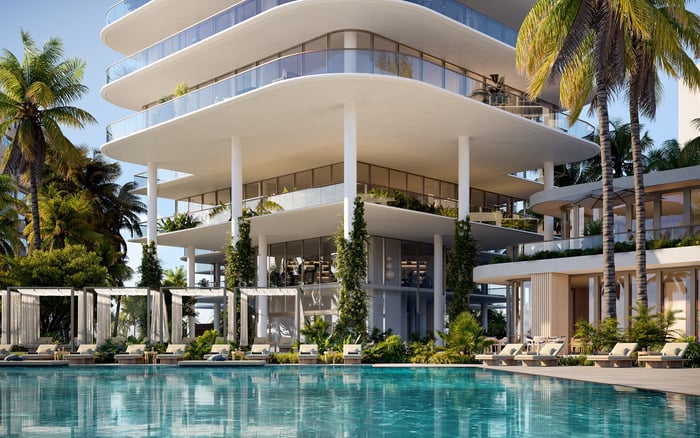
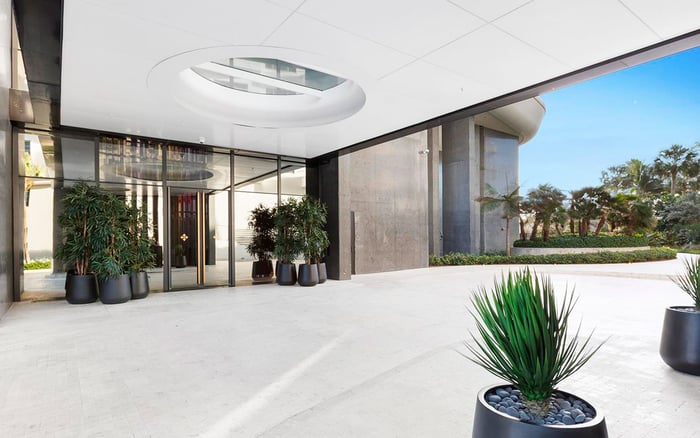
When considering Five Park Miami Beach, for example, make an arrival walkthrough part of the viewing agenda. Ask where the car approaches, where luggage changes hands, and what happens if the owner arrives later than expected. These are due-diligence questions, not assumptions about services.
Airport passenger volumes do not establish how long a transfer to the Beach will take. Nor should one smooth inspection-day journey become the basis for scheduling every future arrival. Do not base a purchase decision on a fixed MIA-to-residence driving promise.
Instead, divide the journey into distinct handoffs: flight arrival, readiness to leave the terminal, vehicle dispatch, road travel, and building entry. Use current flight-status information to coordinate with the driver, then send a separate confirmation when the traveling party is ready for pickup. Flight status is useful; it does not replace direct communication.
Give the driver the building’s approved arrival instructions before departure. Confirm who will receive an updated arrival estimate and who can resolve access questions after hours. When touring properties, rehearse the sequence you expect to use as an owner, including luggage and an evening return. The objective is to identify uncertain handoffs, not to manufacture a universal journey-time estimate.
Art Week illustrates concentrated demand; it is not a template for every Miami Beach event. During December 2023, heavier-than-usual traffic was anticipated on both the Julia Tuttle and MacArthur causeways. An open road should not be mistaken for a predictable one.
For Art Week in December 2025, approximately 4-8 p.m. was identified as a peak traffic window, with causeways particularly congested. Reaching daytime destinations around 10 a.m., or beginning nighttime drives after 8 p.m., was suggested as a way to avoid the worst traffic. These are historical planning cues, not guaranteed conditions for 2026 or evidence of a recurring airport-arrival peak.
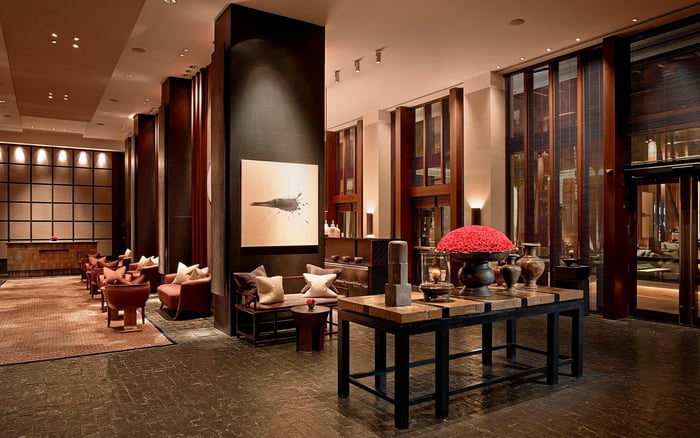
For a buyer evaluating Setai Residences Miami Beach, apply that history to a personal calendar. Which appointments require mainland crossings? Which evenings could remain entirely on the Beach? Ask building management whether anyone monitors event transport advisories and communicates changes to owners. Confirm current arrangements for each event rather than carrying last year’s assumptions forward.
During Art Week 2024, transportation measures included park-and-ride shuttles and exclusive bus lanes. A free water taxi connected Maurice Gibb Memorial Park in Miami Beach with Venetian Marina & Yacht Club on the mainland, operating approximately every 15 minutes during the event. Free shuttles and the Beach’s free trolley system also offered alternatives to private-car travel.
The lesson for buyers is flexibility, not a standing water-taxi entitlement. For any 2026 outing, verify the service, terminals, operating hours, and return arrangements before relying on it. Do not assume a historical event service will operate on an ordinary weekend or accommodate an airport arrival as conveniently as a car.
Consider the complete journey, not just the crossing. A boat connection still requires reaching the terminal and continuing from the opposite shore. Before choosing it, establish how your party will make both connections and whether the arrangement suits luggage, mobility needs, and the evening’s schedule.
A pickup point is not necessarily a lawful place for a private driver to wait. That distinction matters at an airport, outside a residence, and near an event transport terminal. Ask the driver to verify current waiting rules and agree on a separate dispatch signal before the passenger reaches the curb.
Historical arrangements show why precision matters. During Art Week 2019, designated rideshare pickup locations operated along North Miami Avenue, while NW 2nd Avenue between NW 23rd and NW 29th streets closed from Friday afternoon through Sunday. Those arrangements do not establish private-driver staging rights in 2026.
At The Perigon Miami Beach, make the same distinction part of the buyer discussion: where may a vehicle load, where may it wait, and who directs it when the entrance is busy? Request an approved fallback meeting point and an after-hours contact. Do not treat a nearby terminal, rideshare zone, or attractive curb as permission to stage a private car.
Evaluate lock-and-leave ownership through assigned responsibilities. Ask prospective buildings for written procedures covering valet hours, event-week staffing, security, authorized access, and deliveries. Establish which tasks belong to building staff, which require a separately retained provider, and which remain the owner’s responsibility.
For Faena House Miami Beach or another candidate residence, request a walkthrough of two scenarios: an unexpected late arrival and an extended absence. Who can admit an authorized representative? How are permissions recorded and withdrawn? What happens to deliveries when nobody is home? What escalation process applies if an issue requires the owner’s attention?
Then ask about residence-specific preparation. Can an owner arrange a pre-arrival inspection, and who would perform it? Who checks the home during an absence, if anyone, and how is completion documented? These are services to verify, not amenities to presume. Keep the answers with the household’s access instructions and contact list.
Before choosing between residences, compare the operating answers alongside the apartments themselves. Use the same checklist for every candidate: arrival contact, legal waiting location, loading procedure, after-hours access, event advisory communication, authorized-entry controls, and absence oversight. Distinguish written commitments from services still awaiting confirmation.
The strongest fit is not necessarily the address with the most optimistic driving estimate. It is the residence whose verified procedures suit how you actually travel. For a frequently absent owner, a clear handoff can matter more than a reassuring promise of effortless access.
Explore Miami Beach residences with an ownership-focused perspective at MILLION.
If branded residences are on your mind — as a home or as an allocation — we would be glad to share what we are seeing, privately.
Begin a quiet conversationA fixed transfer promise is not a sound basis for a purchase decision. Evaluate terminal readiness, vehicle dispatch, current road conditions, and building entry separately.
No. Passenger volumes measure airport activity, not airport-to-Beach transfer duration.
Use current flight status to keep the driver informed, then separately confirm when the traveling party is ready for pickup. Share the building’s approved arrival instructions in advance.
For December 2025 Art Week, approximately 4–8 p.m. was identified as a peak traffic window. It is historical context, not a guaranteed 2026 pattern.
Heavier-than-usual traffic was anticipated on the Julia Tuttle and MacArthur causeways during December 2023 Art Basel. Route availability does not guarantee an uncongested journey.
No. The 2024 event service connected Maurice Gibb Memorial Park with Venetian Marina & Yacht Club, but current service and return arrangements must be confirmed.
Not automatically. The driver should verify current legal waiting locations separately from passenger loading points.
Confirm valet hours, after-hours access, the arrival contact, and the procedure for a delayed owner. Request written instructions rather than assuming continuous service.
It should clarify security, authorized access, delivery handling, absence oversight, and escalation contacts. Identify which responsibilities belong to building staff, outside providers, or the owner.
No. Treat Art Week as a peak-demand case study and verify transportation arrangements for each specific event.