A buyer-focused framework for comparing private dining, catering access, and event restrictions at The Surf Club Four Seasons Surfside and Waldorf Astoria Residences Pompano Beach without relying on amenity labels alone.
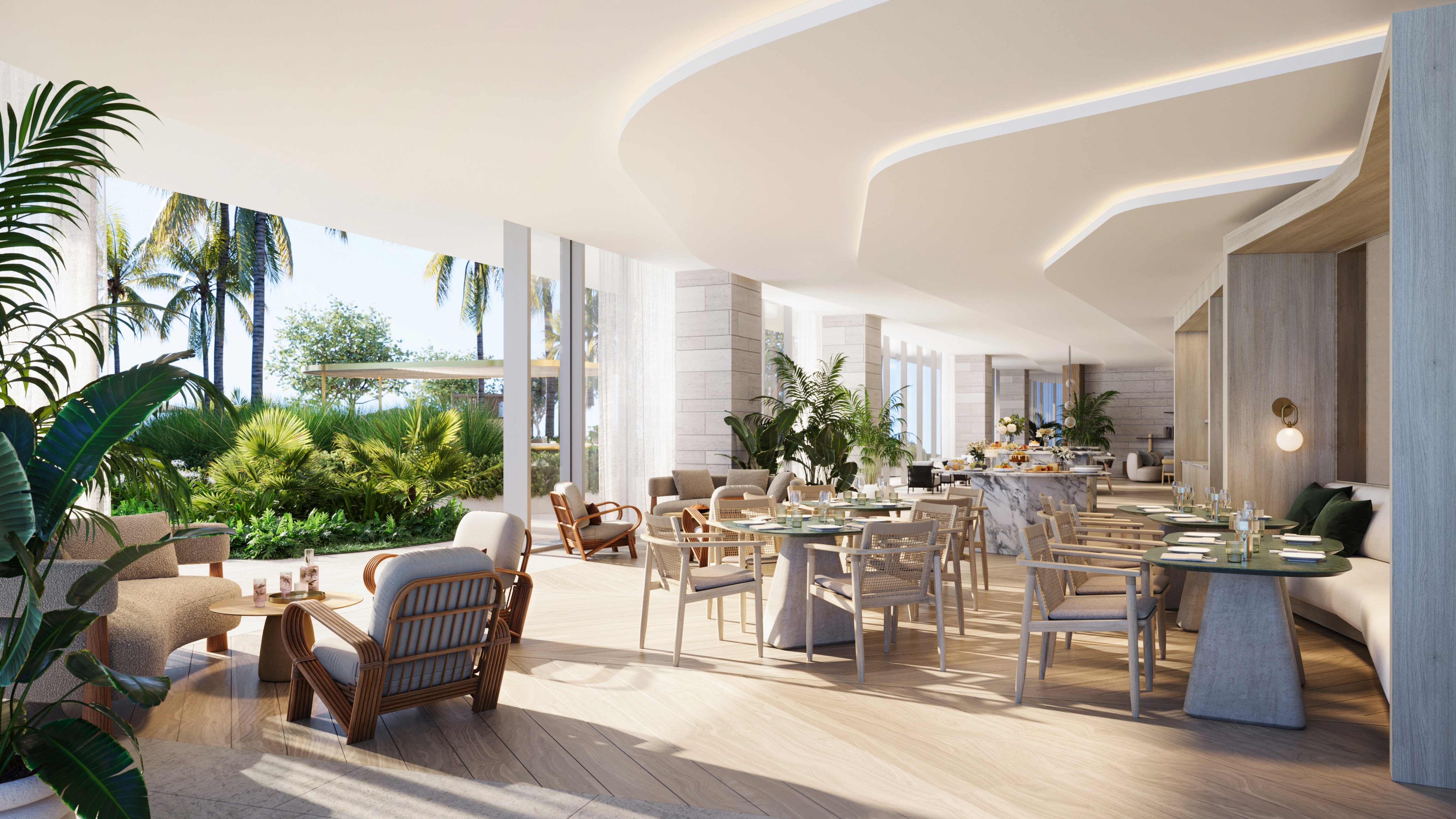
Private dining can mean very different things within a luxury residence. It may refer to food delivered to a home, a staffed dinner inside the residence, access to a shared dining room, or the ability to reserve a larger venue. Buyers comparing The Surf Club Four Seasons Surfside and Waldorf Astoria Residences Pompano Beach should identify which experience they want before evaluating either property.
An entertaining space is only as useful as the rules governing its access.
The central question is not whether a property uses terms such as private dining, catering kitchen, resident lounge, or event space. The more useful inquiry is what an owner may actually reserve, who may provide service, which guests may attend, and what costs or restrictions apply.
A buyer who occasionally hosts a small family dinner has different needs from an owner planning catered celebrations. Before requesting documents, create a short list of realistic occasions. Include the expected number of guests, preferred setting, desired menu, service style, alcohol needs, music, setup time, and likely end time.
Then ask management to explain how each scenario would be handled. If the event would take place inside the residence, confirm whether staff and vendors may enter, use service routes, bring equipment, prepare food, and remain through cleanup. If the event would use a shared venue, determine whether that space is reservable, how priority is assigned, and what services must accompany the booking.
This exercise makes the comparison between the two named properties more practical. Instead of asking which one has the more impressive amenity description, the buyer can determine which operating model is better suited to the way they expect to entertain.
In-residence dining and private-event access should be treated as separate categories. Food delivery does not necessarily include servers, table setup, beverage service, dishware, or post-event cleaning. Likewise, the presence of a lounge or kitchen does not by itself establish that an owner may reserve the space for a private function.
Ask for a written explanation of each available format. The response should identify where service may occur, who provides it, what must be ordered, and whether the arrangement is exclusive to the resident and invited guests. Buyers should also clarify whether terraces or other outdoor areas are governed by different guest, noise, or service rules.
The same discipline applies when considering nearby alternatives. Buyers reviewing Ocean House Surfside should compare the practical scope of resident hosting rather than assuming that similar amenity terminology produces the same experience.
Catering access deserves a specific written answer because the word “catering” can describe several arrangements. A property may require its own culinary team, maintain an approved-vendor process, permit outside providers under stated conditions, or restrict food preparation in certain areas. Buyers should not infer a policy from a rendering, floor plan, or amenity name.
Ask whether an outside caterer may work inside the residence and within any shared entertaining space. The answer should address cooking, reheating, staging, deliveries, staff entry, loading, elevator use, equipment, waste removal, and cleaning. If insurance or advance documentation is required, request the current requirements and submission timeline.
Buyers comparing other Pompano Beach residences, including Armani Casa Residences Pompano Beach and The Ritz-Carlton Residences® Pompano Beach, can use the same questions to distinguish hospitality branding from confirmed owner privileges.
Guest policies shape the usability of both private homes and shared spaces. Confirm how visitors are registered, whether larger gatherings require additional approval, and how arrivals, parking, valet service, security, and elevator access are coordinated. Ask whether different limits apply to the residence, a private terrace, and reservable amenity areas.
Timing should be reviewed in equal detail. A booking window may govern when an owner can reserve a venue, while separate rules may control setup, vendor arrival, music, outdoor use, and cleanup. Buyers should ask about quiet hours, end times, blackout periods, scheduling conflicts, and the process for requesting an exception.
It is also important to understand who receives priority when multiple parties want the same space. The answer may affect holiday dinners, milestone events, and gatherings planned during periods of high demand.
The quoted price for a room or menu may not represent the full event cost. Request a written schedule covering reservation charges, deposits, minimum spending, staffing, service charges, cancellation terms, security, cleaning, equipment, and any other required items.
Clarify what is included in the food-and-beverage proposal. Tables, chairs, linens, dishware, glassware, floral installation, lighting, audiovisual support, and removal may be handled separately. Alcohol also requires careful review: buyers should ask who may supply and serve it, whether additional staffing is mandatory, and whether separate charges apply.
A useful comparison places each property's estimated total beside the level of control offered to the owner. A more managed format may appeal to someone who prioritizes convenience, while a more flexible policy may better suit a buyer who wants control over vendors, menus, and presentation.
Before purchasing, request the current documents and procedures that govern entertaining. Relevant materials may include the condominium declaration, rules, management terms, reservation forms, fee schedules, vendor requirements, and sample event agreements. Ask which document controls if marketing language and operating rules appear inconsistent.
Buyers should also determine how policies may be revised and who has authority to approve a booking or exception. Verbal guidance can be useful during the evaluation process, but an entertaining priority should be tested against the written framework available for review.
The most effective final step is to present the same hypothetical event to both properties. Describe the guest profile, preferred date, desired venue, food and beverage plan, outside vendors, setup requirements, music, and end time. Request a written response explaining what would be allowed, which approvals would be needed, and how charges would be calculated.
This approach keeps the comparison focused on fit. The right choice between The Surf Club Four Seasons Surfside and Waldorf Astoria Residences Pompano Beach is not determined by the longest amenity list. It depends on which property's confirmed procedures align with the buyer's preferred balance of service, privacy, convenience, and control.
For discreet guidance comparing South Florida residences and their service cultures, connect with MILLION.
If branded residences are on your mind — as a home or as an allocation — we would be glad to share what we are seeing, privately.
Begin a quiet conversationStart by defining the type of gathering, preferred setting, expected guests, and desired service. Then ask each property how that scenario would be handled.
Not necessarily. Buyers should confirm whether service includes staff, setup, beverages, dishware, and cleanup.
No. Buyers should obtain written confirmation that the space is reservable and learn which uses are permitted.
That depends on the applicable operating rules. Request written terms covering vendor approval, insurance, access, preparation, and cleanup.
Confirm registration, access, parking, security procedures, and any limits applying to residences, terraces, or shared venues.
Review booking windows, setup periods, vendor hours, quiet hours, end times, blackout dates, and cleanup deadlines.
Ask for reservation charges, deposits, minimum spending, staffing, service, security, equipment, cancellation, and cleaning costs.
Confirm who may supply and serve alcohol, whether special staffing is required, and which additional charges may apply.
Request the condominium documents, operating rules, reservation forms, fee schedules, vendor requirements, and sample event agreements.
Submit the same realistic event scenario to both and request written explanations of access, approvals, restrictions, and costs.