For collectors purchasing around Art Basel Miami Beach, due diligence extends beyond views and wall space. A thoughtful acquisition plan coordinates closing, fine-art transport, building access, crate geometry, installation readiness and climate performance.
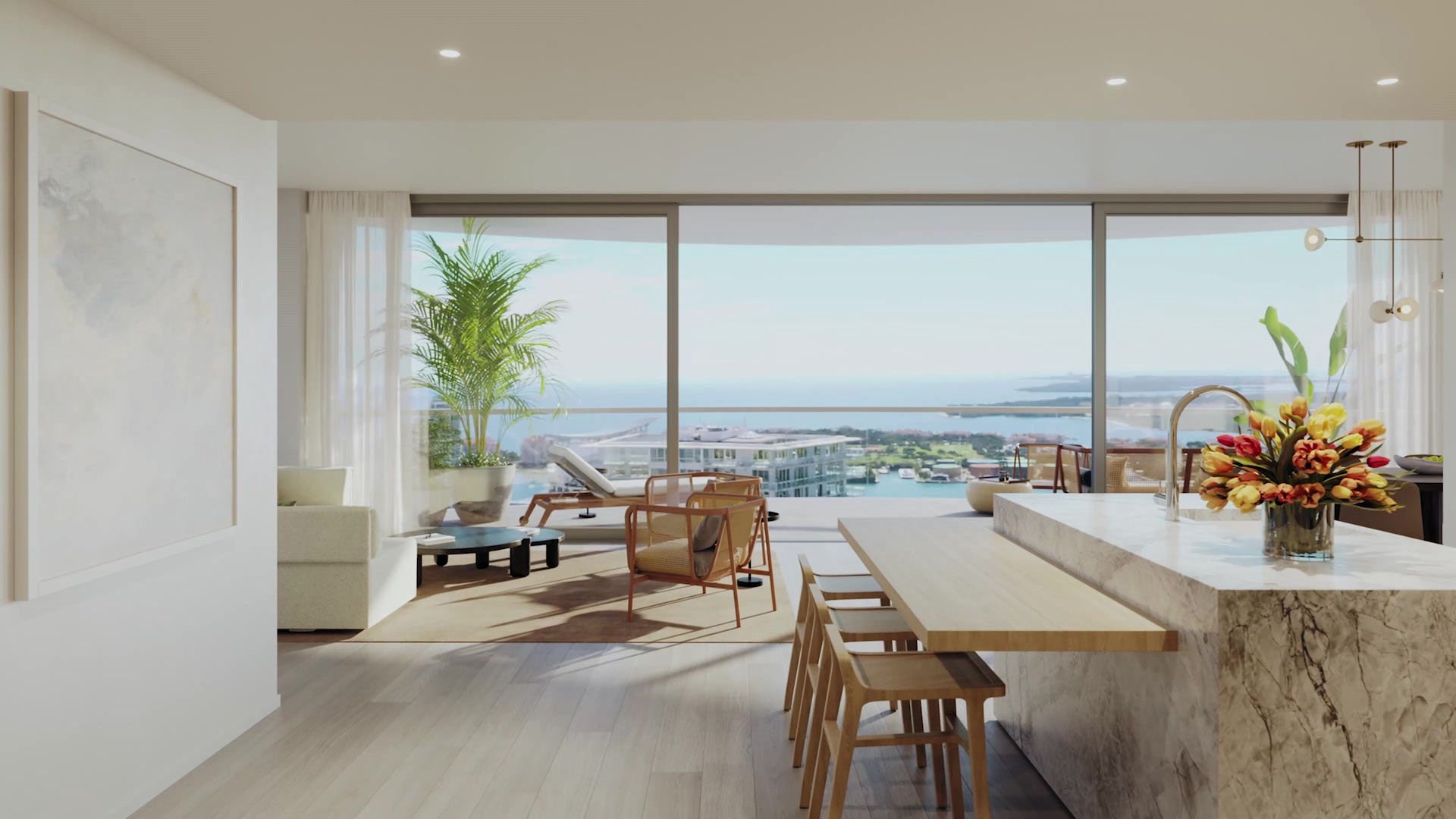
A South Florida home purchased around Art Basel Miami Beach may need to function as both a residence and a receiving environment. For a collector, the relevant questions extend beyond ceiling height, natural light and available wall area. The route from the delivery vehicle to the installation point, the building’s access procedures and the residence’s environmental performance all belong in the property review.
Closing and delivery should be coordinated rather than treated as separate events. Before a crate is dispatched, the buyer should confirm possession, residence readiness and building approval. The property manager, art handler, installer, insurer, conservator and any renovation professionals can then work from the same sequence.
For a collector, access geometry and climate stability are part of the property itself.
Start with the intended installation date and work backward through the steps that must occur first. These may include closing, mechanical-system review, environmental monitoring, freight reservations, building approvals and installation preparation. Contingency planning is useful when possession, construction or access timing remains uncertain.
If the residence is not ready, monitored off-site storage can separate the artwork’s arrival in South Florida from its final delivery to the home. This avoids forcing an installation into a property whose access or environmental conditions have not been confirmed.
For a Miami Beach search that includes The Perigon Miami Beach or Shore Club Private Collections Miami Beach, buyers should request the applicable delivery documents for the residence being considered. A project’s location or positioning does not establish the rules that will apply to a particular move.
The presence of a freight elevator does not establish that a packed work can reach the residence. Request written information covering the loading area, service entrance, elevator reservation process, permitted delivery periods and the final approach to the unit. Building management can also clarify whether documentation, deposits, protective materials, approved vendors or on-site supervision are required.
Measure the physical route against the crate rather than the unwrapped artwork. Review the crate’s dimensions and handling needs alongside the loading entrance, elevator opening, cab interior, corridor width, corners, thresholds and residence doorway. An art handler or installer can assess whether the packed object can be maneuvered safely through each transition.
Any conflict should be identified while the buyer still has time to evaluate options. Alternative access may require separate approval and professional planning, so it should not be assumed. The practical question is whether the complete packed work can travel from the delivery point to its intended location under the building’s documented procedures.
A general description of air conditioning is not a collection-care plan. The appropriate temperature, relative humidity, filtration and monitoring approach depends on the materials, condition and sensitivity of the works. A conservator and qualified mechanical professional can translate those needs into criteria for the intended display and storage areas.
Stability should be evaluated over time rather than inferred from a single reading. Continuous monitoring can reveal how the residence responds to changing weather, occupancy and mechanical cycles. Sensor placement should reflect where works will actually be displayed or stored, including any rooms affected by exterior exposure or renovation activity.
Collectors should also ask how the residence manages humidity, filtration and system interruptions. If backup power is important to the collection plan, confirm which in-unit systems it serves. Written responsibilities and an escalation process can help the property team respond when monitored conditions move outside the collection-specific parameters established by the owner’s advisers.
Environmental monitoring is most useful when completed before sensitive works arrive. Data loggers can be placed in the proposed art areas and reviewed after mechanical adjustments, painting, millwork or other work that could affect conditions. The resulting record allows the buyer’s advisers to evaluate actual performance instead of relying solely on equipment descriptions.
A Brickell buyer considering The Residences at 1428 Brickell should apply this inquiry to the specific residence and proposed art locations. Building-wide systems and in-unit conditions are related but distinct considerations.
If performance has not yet been demonstrated, the delivery plan can retain off-site storage as a temporary option. Installation can proceed after access is approved, the residence is operational and the owner’s collection-care team is satisfied with the monitored environment.
Collection needs become more actionable when they are recorded as specific diligence items. Request freight policies in writing, commission a route review for oversized crates and ask the appropriate advisers to define the environmental performance needed for the works. Renovation and mechanical scopes can then address those requirements directly.
A second home may also benefit from remote monitoring and a response plan for periods when the owner is away. The plan should identify who receives alerts, who can access the residence and who is authorized to contact the relevant service professionals. Insurance, storage, transport and installation responsibilities should be reviewed before the collection changes hands between providers.
The same framework can guide a Coconut Grove evaluation involving Vita at Grove Isle. Lifestyle considerations and collection care can be assessed together without assuming that one automatically resolves the other.
Before dispatch, reconfirm possession, insurance arrangements, building approval, freight access, crew credentials and residence readiness. The delivery team should have current building contacts, while the installer should understand the approved route and the planned placement of each work.
Documenting route protection, crate condition and handoffs can create a clearer record of the move. The objective is a controlled installation in which the property, building team and collection professionals are prepared before the artwork reaches the loading area.
Art Basel Miami Beach may provide the occasion for a South Florida purchase, but careful coordination helps the residence receive and support the collection with precision.
For discreet guidance on aligning a South Florida property search with collection logistics, connect with MILLION.
If branded residences are on your mind — as a home or as an allocation — we would be glad to share what we are seeing, privately.
Begin a quiet conversationBegin once the intended installation timing is known. Work backward through possession, building approval, residence readiness and delivery coordination.
Request the building’s written reservation process, access procedures, permitted delivery periods and applicable documentation requirements.
The packed crate determines whether the work can clear entrances, elevators, corridors, turns and the residence doorway.
A qualified art handler or installer can compare the packed work with the complete delivery path and handling requirements.
No. The loading entrance, elevator opening, cab, corridors, corners, thresholds and unit doorway must all be evaluated.
A conservator and qualified mechanical professional can define suitable conditions based on the works’ materials, condition and sensitivity.
No. Monitoring over time provides a more useful view of environmental performance and mechanical cycling.
It can provide a temporary option when possession, building access or the residence’s environmental performance has not been confirmed.
It should identify who receives monitoring alerts, who can enter the residence and who may contact the appropriate service professionals.
Reconfirm possession, insurance arrangements, building approval, freight access, crew credentials and residence readiness.