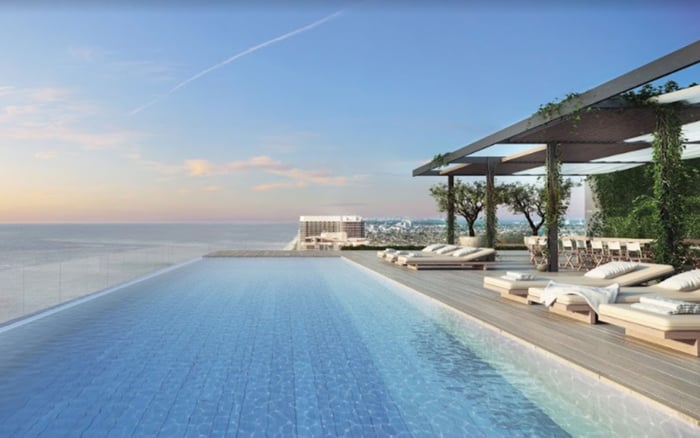
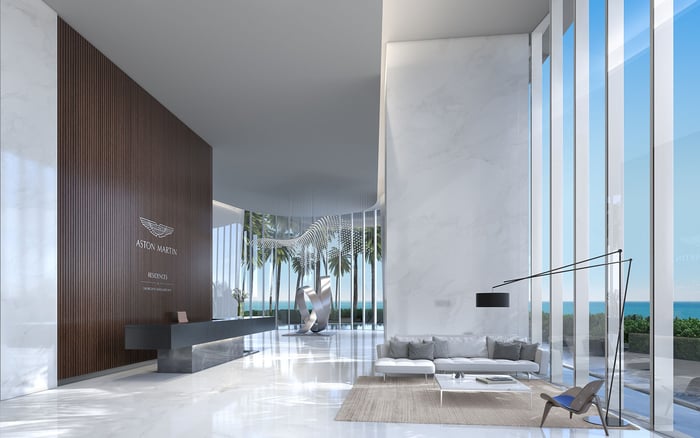
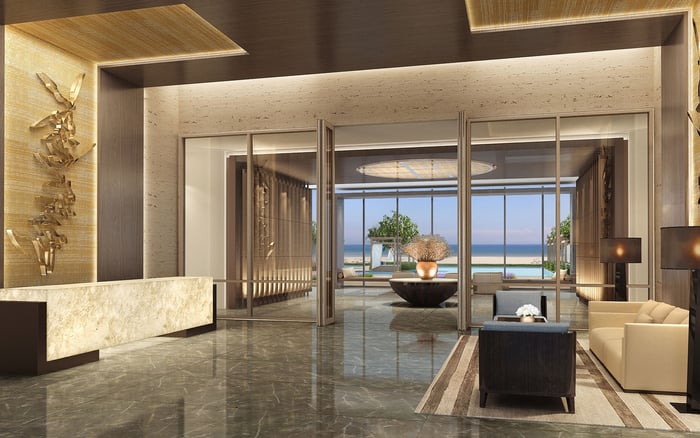
Fendi Château and Waldorf Astoria offer distinct entertaining propositions. Buyers should test each advertised dining space against the governing rules, catering protocols, costs, capacities, and guest procedures that determine how it can actually be used.
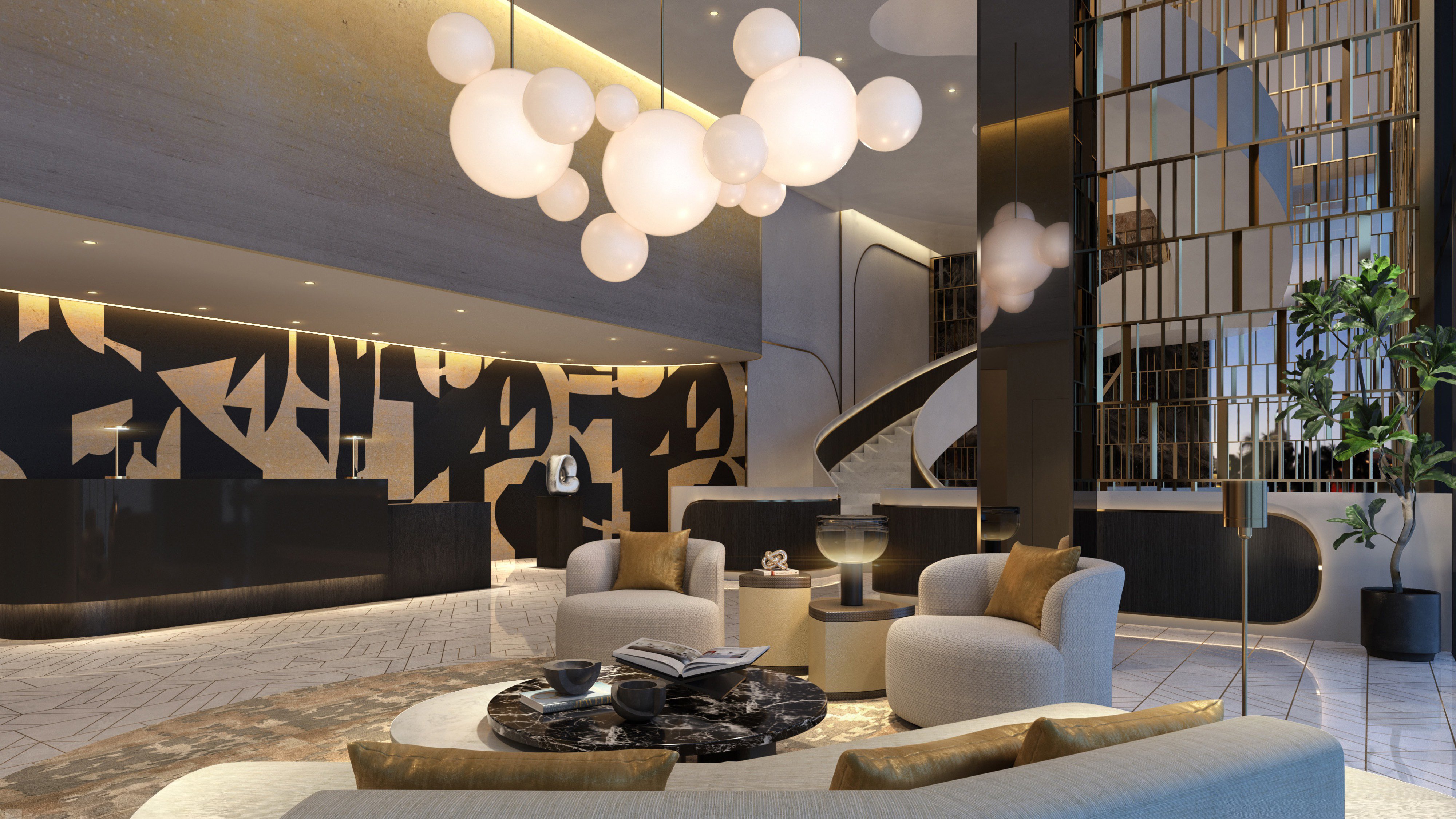
For buyers who entertain regularly, a private restaurant or owners’ lounge is more than an attractive line in a brochure. It is operating infrastructure. The meaningful questions concern control: who may reserve the room, which kitchen may be used, how vendors enter, what service is included, and when a gathering becomes a regulated event.
That distinction is especially important when comparing Fendi Château Residences Surfside with Waldorf Astoria Residences Downtown Miami. The former centers its entertaining proposition on a private oceanfront residential environment. The latter is planned within a hospitality setting that includes dedicated function infrastructure and access to hotel venues.
This edition of MILLION Buyer's Guides examines how those models differ. It also addresses a broader question facing purchasers of Branded Residences: does the entertaining program support the way an owner actually hosts, or does it merely photograph well?
The value of a private dining amenity depends on the rules governing its use.
Fendi Château is located at 9349 Collins Avenue in Surfside. Its dining program includes a private restaurant with a full chef’s kitchen, a lounge with a gourmet kitchen, a poolside bar and restaurant, indoor and outdoor dining areas for residents and their guests, and an oceanfront gazebo with a full summer kitchen.
The character is intimate and residential. Pool- and beachside service, private cabanas, concierge assistance, valet service, and 24-hour security may support a gathering, but they also raise operational questions about arrivals, parking, staffing, and movement through common areas. Buyers considering nearby The Surf Club Four Seasons Surfside can apply the same principle: lifestyle services and event permissions should be evaluated separately.
Waldorf Astoria Residences, planned at 300 Biscayne Boulevard in Downtown Miami, presents a more explicitly formal framework. Its Owners Lounge is designed for private functions and sits adjacent to a catering kitchen. The program also includes a private bar and wine-tasting room, a signature restaurant, an all-day dining brasserie, an outdoor café, meeting venues ranging from ballrooms to boardrooms, and a service pantry for catering and coffee service.
At Fendi, buyers should first establish whether each setting can be reserved privately. The restaurant, gourmet-kitchen lounge, and summer-kitchen gazebo may not operate under identical rules. One could be a staff-managed amenity, another a reservable room, and another subject to restrictions tied to pool or outdoor hours. Those distinctions remain unresolved.
Request seated and standing capacities in writing. Photographs cannot establish practical capacity once service stations, furniture, musicians, or audiovisual equipment are introduced. Confirm whether a restaurant reservation includes culinary staff, tableware, linens, furniture setup, cleaning, and use of the chef’s kitchen-or whether certain elements incur separate charges.
Outside catering requires equally close scrutiny. Determine whether third-party caterers are permitted, whether they require approval, and whether they may cook on-site or only finish and plate prepared food. Delivery access, refrigeration, waste removal, insurance certificates, staffing, and security procedures can materially shape an event even when the room itself is available.
For observant households, Fendi’s Shabbat-friendly elevators may be relevant to family entertaining. Buyers should still ask how building access, guest registration, food delivery, staffing, and common-area operations are handled for the intended gathering.
Waldorf has the clearer infrastructure for formal hosted functions. An Owners Lounge intended for private events, an adjacent catering kitchen, and separate hotel meeting venues suggest more defined service pathways than a conventional residential dining room. That does not, however, establish unrestricted resident use.
Residents are expected to receive preferred access to hotel venues and food-and-beverage offerings. Buyers should ask what “preferred” means operationally. It may differ from complimentary access, guaranteed availability, or first priority. The Owners Lounge should also be distinguished from hotel ballrooms and boardrooms, which may follow separate booking windows, menus, staffing terms, and pricing.
Guest caps, deposits, alcohol rules, outside-vendor policies, owner-attendance requirements, and reservation windows for Owners Lounge events remain unestablished. A buyer should request the residential policy and hotel function agreement, then compare cancellation terms, minimum spending, service charges, security, insurance, and cleanup obligations.
This analysis is particularly relevant for purchasers comparing other Downtown Miami residences, including Aston Martin Residences Downtown Miami. The correct comparison is not the number of entertaining spaces, but the degree of access, privacy, service, and cost attached to each one.
Begin with eligibility. Can only an owner reserve, may a tenant book, and must the owner remain present? Ask how far in advance reservations open, whether recurring dates are restricted, and whether residents receive priority during holidays or peak periods.
Then examine the guest journey. Confirm registration deadlines, identification requirements, valet capacity, parking charges, service-elevator access, vendor loading, and security staffing. At Fendi, pool, beach, and outdoor circulation may affect an oceanfront event. At Waldorf, residential guests and hotel function attendees may follow different arrival protocols.
Operational details warrant written answers. Ask when setup may begin, when music must end, whether amplified sound is allowed, and when vendors must vacate. Establish who controls alcohol service and whether bartenders, permits, or approved providers are required. Clarify the rules for florists, musicians, photographers, children, pets, décor, candles, and temporary equipment rather than assuming residential discretion extends to shared amenities.
Finally, price the complete occasion. Reservation fees are only one component. Minimum food-and-beverage spending, service staff, security, valet, rentals, audiovisual support, cleaning, damage deposits, taxes, and cancellation charges may determine whether a space is practical for frequent use.
Request the current declaration, rules and regulations, amenity-reservation policy, catering policy, approved-vendor standards, insurance requirements, and complete fee schedule. Where hotel venues are involved, obtain the separate terms governing those spaces. Ask management to identify which provisions can change without an owner vote and whether a sample event agreement is available.
A disciplined review produces a clear conclusion. Fendi appears better aligned with discreet, resident-centered oceanfront entertaining, while Waldorf offers a more legible framework for formal functions and hotel-supported occasions. Neither proposition should be judged by amenity names alone. The right choice depends on verified control of the room, kitchen, service team, guest flow, calendar, and total cost.
For confidential guidance on comparing South Florida residences through the lens of real-world ownership, connect with MILLION.
If branded residences are on your mind — as a home or as an allocation — we would be glad to share what we are seeing, privately.
Begin a quiet conversationWaldorf Astoria advertises an Owners Lounge for private functions, an adjacent catering kitchen, and hotel venues ranging from ballrooms to boardrooms.
The private restaurant is advertised, but buyers should obtain written confirmation of reservation rights, priority, capacity, fees, and service terms.
Yes. Advertised options include a private restaurant, a gourmet-kitchen lounge, indoor and outdoor dining areas, and an oceanfront gazebo with a summer kitchen.
The available materials do not settle outside-caterer access. Buyers should confirm approved-vendor rules, kitchen permissions, insurance, deliveries, and waste removal in writing.
Residents are expected to receive preferred access to hotel venues and food-and-beverage offerings, but pricing, priority, and availability should be verified.
Review reservation fees, minimum spending, staffing, security, valet, rentals, audiovisual support, cleaning, deposits, and cancellation charges.
They clarify practical use after accounting for furniture, service stations, entertainment, equipment, and circulation rather than relying on photographs.
Confirm guest caps, registration deadlines, identification rules, owner-presence requirements, parking, arrival procedures, and event hours.
Obtain the declaration, rules and regulations, reservation and catering policies, approved-vendor requirements, insurance terms, and current fee schedule.
Fendi favors intimate oceanfront residential entertaining, while Waldorf presents clearer formal-event infrastructure. The decision should follow verified rules, access, service, and total cost.