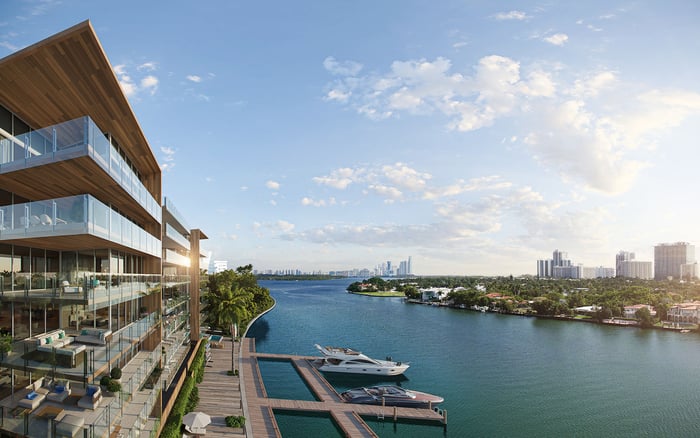
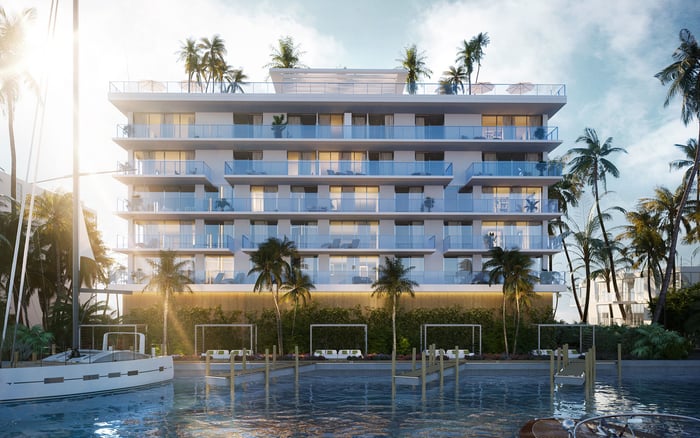
For buyers comparing Alma and La Maré, true lock-and-leave confidence depends on written operating protocols, a sequenced re-entry plan, clear owner obligations, and disciplined private unit management.

The appeal of a South Florida residence that can be secured and left for weeks or months is clear. Yet genuine lock-and-leave ownership depends less on the promise of service than on the precision of the operating system behind it. For buyers considering Alma Bay Harbor Islands or La Maré Bay Harbor Islands, three questions warrant independent examination: how the property is prepared while an owner is away, how re-entry proceeds after a hurricane, and how a private representative may manage the residence.
This distinction matters because public clearance does not necessarily open a particular building, floor, or unit. Likewise, the presence of on-site personnel does not guarantee immediate access after a storm. The most useful principle is straightforward: request written procedures rather than rely on broad descriptions of staffing, convenience, or service.
True lock-and-leave confidence comes from written authority, sequencing, and accountability.
Officials may determine that broader conditions permit a return while individual properties still need to inspect structures, utilities, elevators, standing water, debris, and other hazards. Local access restrictions may also remain in effect.
Buyers should therefore request a written sequence from both properties. It should trace the progression from public clearance through initial property inspection, resident authorization, representative access, and vendor staging. It should also define how identities and credentials are verified, which areas remain closed, and who communicates those restrictions.
The safest plan does not treat the building as a single open-or-closed proposition. Structural conditions, electrical service, HVAC, water intrusion, elevator operation, debris, and standing water can affect zones differently. A controlled process should prevent entry into uninspected areas while providing owners with a clear status for their residence.
This point applies across the waterfront market, including for buyers comparing the operating culture of Onda Bay Harbor. Architecture and amenities shape daily life, but emergency authority determines what happens when normal service is interrupted.
A polished lock-and-leave program still requires a clear division of labor. Owners absent during hurricane season may be expected to lower shutters, move balcony or lanai furniture inside, clear perishables, and remove personal items from common hallways. Buyers should not assume association staff will enter a private residence or complete owner-specific preparations without prior authorization.
Request an owner checklist that distinguishes association duties from unit duties. It should identify who secures common areas, pools, landscaping, elevators, and vulnerable equipment, and who documents pre-storm conditions for insurance purposes. For the residence itself, establish whether staff may hold keys, whether they can arrange entry, and what consent urgent work requires.
A second-home owner should also ask what happens when the forecast changes after departure. Who monitors alerts, orders preparations, verifies completion, authorizes emergency work, and updates residents? These responsibilities should be established in a property-specific storm protocol obtained directly during due diligence.
Lock-and-leave performance depends as much on infrastructure as on personnel. Ask whether preseason testing covers generators, pumps, emergency lighting, communications, and other systems expected to function during an outage. Generator coverage should be defined precisely, including the common systems it supports.
For a waterfront residence, drainage, pumps, elevator protection, humidity control, leak detection, and water-intrusion response warrant particular scrutiny. Buyers should ask how an alert reaches management, who can inspect the affected area, and how quickly authority transfers to an emergency contractor. A formal plan should also identify a post-storm operations center or staging point for staff and vendors.
The same disciplined review applies when considering new-construction and established alternatives such as Bay Harbor Towers. The objective is not to presume identical systems, but to compare the quality of written procedures, defined authority, backup plans, and evidence that essential equipment is tested.
Private unit management can bridge the gap between association responsibilities and an absent owner's needs. Depending on the agreement, a private manager may coordinate inspections, maintenance, tenant matters, or day-to-day oversight. Those services should not be mistaken for association services or automatic access rights.
Before retaining a manager at La Maré, confirm the property's rules governing keys, contractor entry, inspections, tenants, guests, and emergencies. A manager's proposal should specify inspection frequency, maintenance spending authority, reporting methods, the escalation chain, and services that carry additional charges. The agreement should also identify who may approve work if the owner cannot be reached.
For an investment residence or a home occupied intermittently by guests or tenants, credential control becomes especially important. Determine whether access permissions are person-specific, time-limited, logged, and revocable. Ask whether the manager can enter during a building restriction or only after management has opened the relevant area to authorized representatives.
Every plan depends on communication. Buyers should verify whether storm notices arrive by email, text, app, telephone, or another channel, and whether a backup method exists when power or internet service fails. The policy should identify who sends updates, how frequently status changes are communicated, and where owners can confirm a message's authenticity.
Then ask management to walk through its response to the most recent serious storm or prolonged outage. Focus on timing and sequence: when the first owner message was sent, when inspections began, what delayed access, how vendors were staged, and which procedures changed afterward. The response can reveal whether the written manual functions as an active operating document.
During contract review, request the current emergency plan, resident re-entry rules, owner storm checklist, key-control policy, private-manager rules, and relevant vendor-access procedures. Also obtain the communication protocol and a written explanation of emergency-work authorization. Policies can evolve, making the operative version more consequential than a marketing summary.
The strongest comparison between Alma and La Maré will not reduce either property to a single service claim. It will examine how each handles the entire chain: preparation, system testing, public clearance, building inspection, controlled access, unit inspection, emergency repairs, and owner reporting. That chain is the practical foundation of discreet, low-friction ownership.
For discreet guidance on evaluating Bay Harbor Islands residences and their operating frameworks, connect with MILLION.
If branded residences are on your mind — as a home or as an allocation — we would be glad to share what we are seeing, privately.
Begin a quiet conversationNo. A building may require inspections and controlled authorization before residents, representatives, or vendors can enter.
Request the sequence for public clearance, property inspection, resident authorization, representative access, and vendor staging.
Responsibilities may include lowering shutters, moving outdoor furniture inside, clearing perishables, and keeping hallways free of belongings.
Buyers should ask about generators, pumps, emergency lighting, communications, and other systems needed during an outage.
Request a written storm protocol defining who monitors alerts, orders preparation, verifies completion, authorizes work, and contacts owners.
Not necessarily. Entry remains subject to association rules, safety restrictions, key policies, and the building's authorization process.
It should define inspection frequency, maintenance authority, reporting, emergency escalation, and any services that cost extra.
Confirm the primary channel, update responsibility, expected timing, and a backup method if power or internet service fails.
They support oversight of a vacant waterfront residence and help structure a response when water intrusion is suspected.
Ask for current emergency plans, re-entry rules, owner checklists, key-control policies, and private-manager and vendor-access procedures.