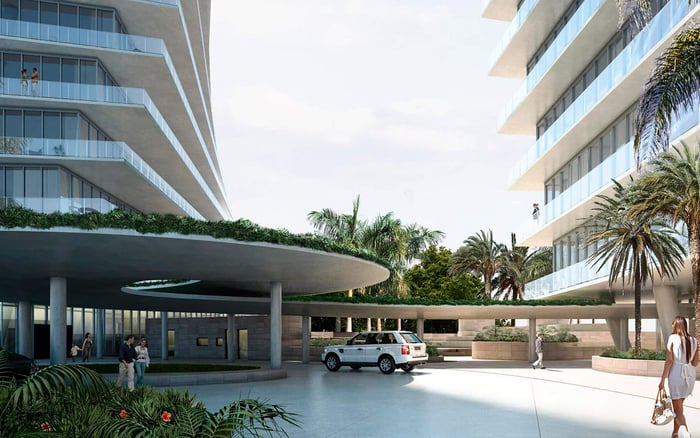
A refined buyer framework for understanding whether a Grove Isle residence can deliver daily luxury, privacy, wellness, and waterfront ease without making club access the deciding factor.
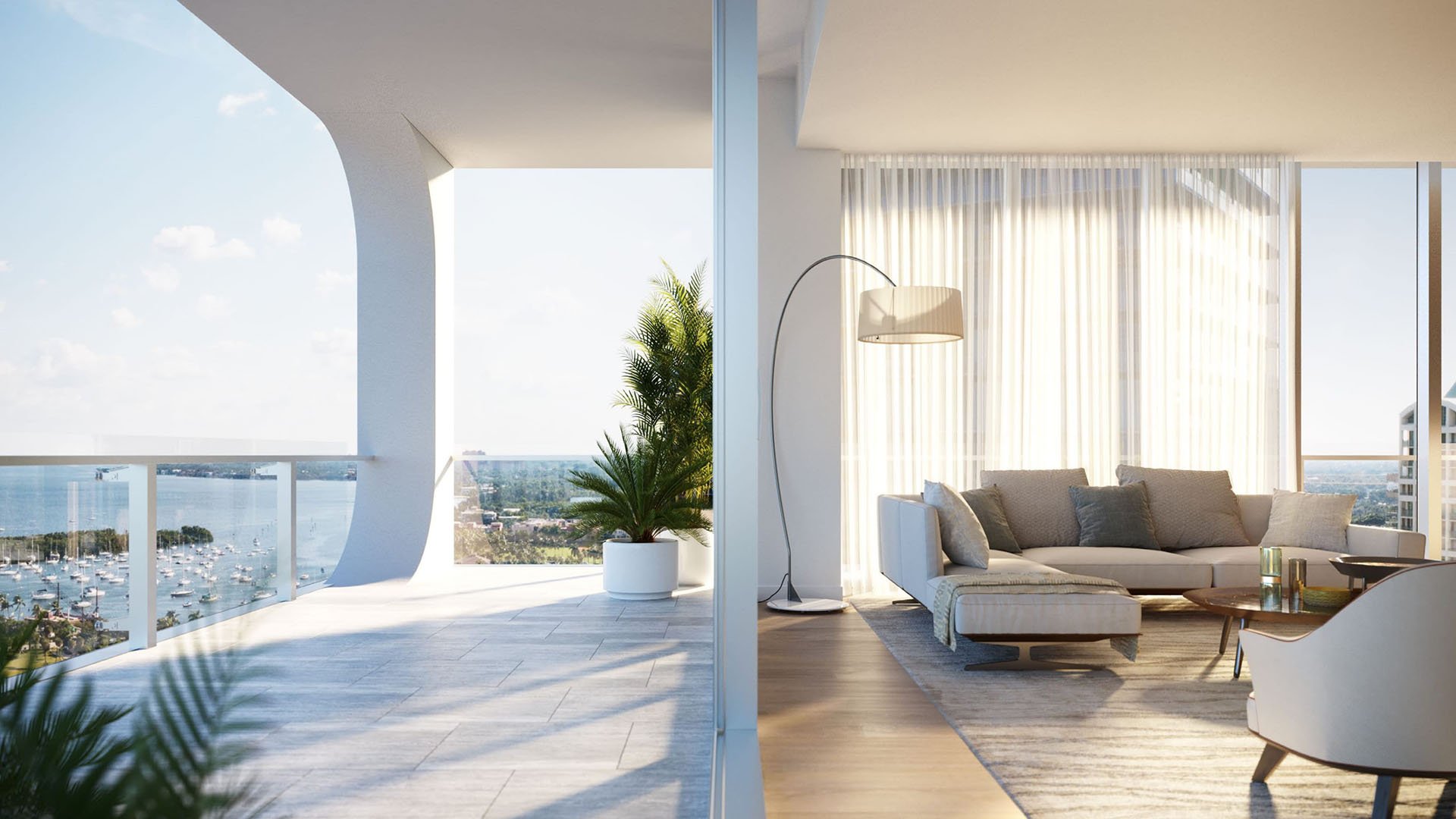
For a Grove Isle buyer, the appeal of a club-adjacent setting is immediate: social energy, dining, wellness, waterfront atmosphere, and the convenience of a private-world rhythm close to home. The more important question is quieter and more disciplined. Would the residence still feel complete if the club were unavailable, full, redesigned, differently priced, or simply outside your daily routine?
That distinction matters in the upper tier of South Florida real estate. Buyers often pay for lifestyle compression: the ability to move from home to water, fitness, dinner, guests, and retreat with minimal friction. But lifestyle compression should not become lifestyle dependency. A strong Grove Isle purchase should stand on its own architectural, operational, and emotional merits, with the neighboring club serving as an enhancement rather than the foundation of value.
This is especially relevant for buyers considering Vita at Grove Isle, where the broader decision is not only about prestige, but about how one actually wants to live on an ordinary Tuesday morning, a busy holiday weekend, and a season when family and guests arrive at once.
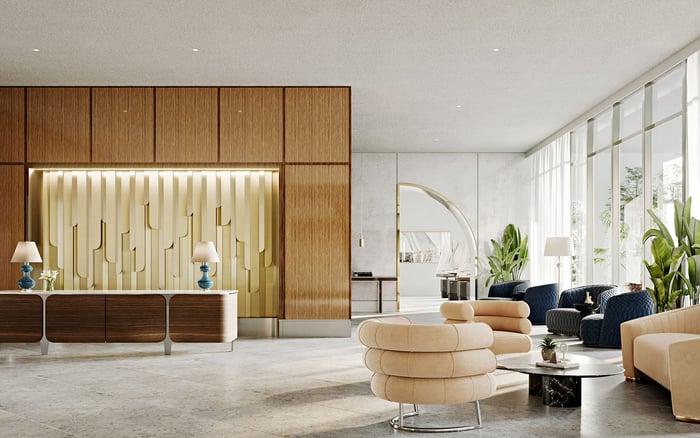
Before assigning value to club adjacency, evaluate the home as though it must deliver a complete private-resort experience on its own. Begin with the arrival sequence, lobby experience, elevator privacy, floor plan logic, outdoor space, views, storage, service access, acoustic comfort, and the ease of moving between formal entertaining and relaxed family life.
A club can elevate a lifestyle, but it cannot correct a residence that lacks quiet, proportion, privacy, or daily utility. Ask whether the primary suite feels truly restorative, whether terraces are usable rather than ornamental, whether kitchens and service areas support the way the household entertains, and whether the building’s amenity program is sufficient for daily wellness without requiring a reservation elsewhere.
This is where comparisons within Coconut Grove become useful. The Well Coconut Grove reflects the growing preference for wellness-led residential living, while Four Seasons Residences Coconut Grove reflects the appeal of hospitality-caliber service within a residential frame. Grove Isle buyers should use those references not as substitutes, but as benchmarks for what the home and building must deliver before any outside membership enters the decision.
Club proximity can create an emotional premium. It suggests instant community, curated hospitality, and a calendar that does not require crossing town. Real estate value, however, should remain grounded in ownership attributes: location, design, view quality, scarcity, maintenance standards, governance, and resale appeal.
The cleanest exercise is to divide the purchase thesis into two columns. In the first, place what you own and control: the residence, the building, the view corridor, the private amenities, the association structure, and the carrying costs. In the second, place what you may use but do not fully control: club policies, guest rules, membership costs, availability, programming, and future operational changes.
If the first column is strong, the club becomes a graceful advantage. If the second column is doing most of the work, the buyer is underwriting a lifestyle variable rather than a durable residential asset.
The best due diligence is not only legal and financial. It is behavioral. Walk through four routines with precision.
First, consider wellness. If you prefer private training, quiet laps, spa recovery, or outdoor movement, determine whether the residence and building can satisfy that rhythm independently. Second, consider dining. A nearby club may be appealing, but the home should still support intimate dinners, catered evenings, and unplanned family meals beautifully.
Third, consider guests. Club adjacency can simplify hosting, but guest logistics, parking, building access, overnight comfort, and staff coordination are residential issues first. Fourth, consider boating and waterfront use. A marina setting can be deeply valuable for certain buyers, yet boating convenience should be evaluated through access, rules, waitlists, storage, and the reality of how often the household will actually use the water.
A buyer coming from Brickell may prioritize privacy and quiet over constant urban access. A buyer comparing Grove Isle with Park Grove Coconut Grove may be deciding between different versions of Grove living: one more island-like in feeling, the other more embedded in the neighborhood’s daily fabric.
Luxury buyers tend to focus on finishes, views, and amenities. Sophisticated buyers also study control. For any club-adjacent purchase, the key questions are practical: who governs which amenities, what costs are mandatory, what costs are optional, what rights transfer with ownership, what rules apply to guests, and how changes are approved.
This is not a reason for suspicion. It is simply how high-value residential decisions should be made. A club may be beautifully run and highly desirable, yet still operate under a framework separate from the condominium or residence. Buyers should understand that distinction before assigning a premium to proximity.
The same applies to future resale. A future purchaser may love the club, ignore the club, or evaluate it differently based on family stage, seasonality, or membership preference. The residence should remain compelling to all three buyer types. That is the mark of a durable purchase.
Club adjacency often carries an implied promise: you will use everything because everything is close. In reality, many affluent households use fewer amenities than they expect. They value optionality, but their daily lives are shaped by work, travel, family calendars, and privacy preferences.
A disciplined buyer should estimate actual use rather than aspirational use. If the club would be used weekly, its proximity has meaningful personal value. If it would be used mainly for occasional dinners or guests, it should be priced as an amenity enhancer, not as the defining reason to buy.
This is also where carrying costs deserve sober attention. A residence with superior private amenities may justify higher costs because the value is embedded in ownership. Optional club expenses require a different lens, since they may be discretionary, changeable, or used unevenly by different members of the household.
The strongest buyer thesis for Grove Isle is not, “I am buying because of the club.” It is, “I am buying a residence and setting that meet my standards independently, with the club adding texture, convenience, and social possibility.”
That framing protects the buyer emotionally and financially. It allows the residence to be judged by the fundamentals that endure: privacy, light, proportion, views, service, convenience, and a sense of calm that does not depend on an external schedule. It also allows the club to be enjoyed properly, as a privilege rather than a pressure.
For the right household, that balance can be exceptionally elegant. The home remains the sanctuary. The club remains the option. The lifestyle feels abundant because it is not dependent on any single door being open.
Should I buy in Grove Isle mainly because of nearby club access? No. Treat club access as an enhancement. The residence, building, privacy, and carrying costs should justify the purchase on their own.
What is the first thing to evaluate in a club-adjacent residence? Start with the home’s independent livability: layout, light, views, terraces, storage, service flow, and daily comfort.
How should I think about optional club costs? Separate mandatory residential costs from optional lifestyle costs, then decide whether your expected use supports the premium.
Does club proximity always improve resale value? Not always. Resale strength depends on the residence itself, buyer demand, governance, condition, views, and the appeal of the overall setting.
What should seasonal buyers focus on? Seasonal buyers should test arrival ease, guest logistics, amenity availability, parking, service coordination, and lock-and-leave practicality.
Is a marina lifestyle important for every Grove Isle buyer? No. Waterfront atmosphere may matter even when boating does not, so price the benefit according to actual household use.
How do I compare Grove Isle with Brickell? Brickell offers a more urban rhythm, while Grove Isle should be evaluated for privacy, calm, waterfront character, and residential retreat.
Can club rules change after I buy? Policies, pricing, and access structures can evolve, so buyers should understand what is controlled by ownership and what is separate.
Should I prioritize building amenities or club amenities? Prioritize building amenities first because they are part of the residential experience you are purchasing and using most consistently.
What is the safest way to value club adjacency? Value it as a lifestyle advantage after the residence has already passed your standards for design, privacy, governance, and cost.
When you're ready to tour or underwrite the options, connect with MILLION.
If branded residences are on your mind — as a home or as an allocation — we would be glad to share what we are seeing, privately.
Begin a quiet conversation