A practical, discreet guide for Brickell luxury buyers evaluating flood-zone exposure, building resilience, insurance, access, and long-term ownership risk before committing to a residence.
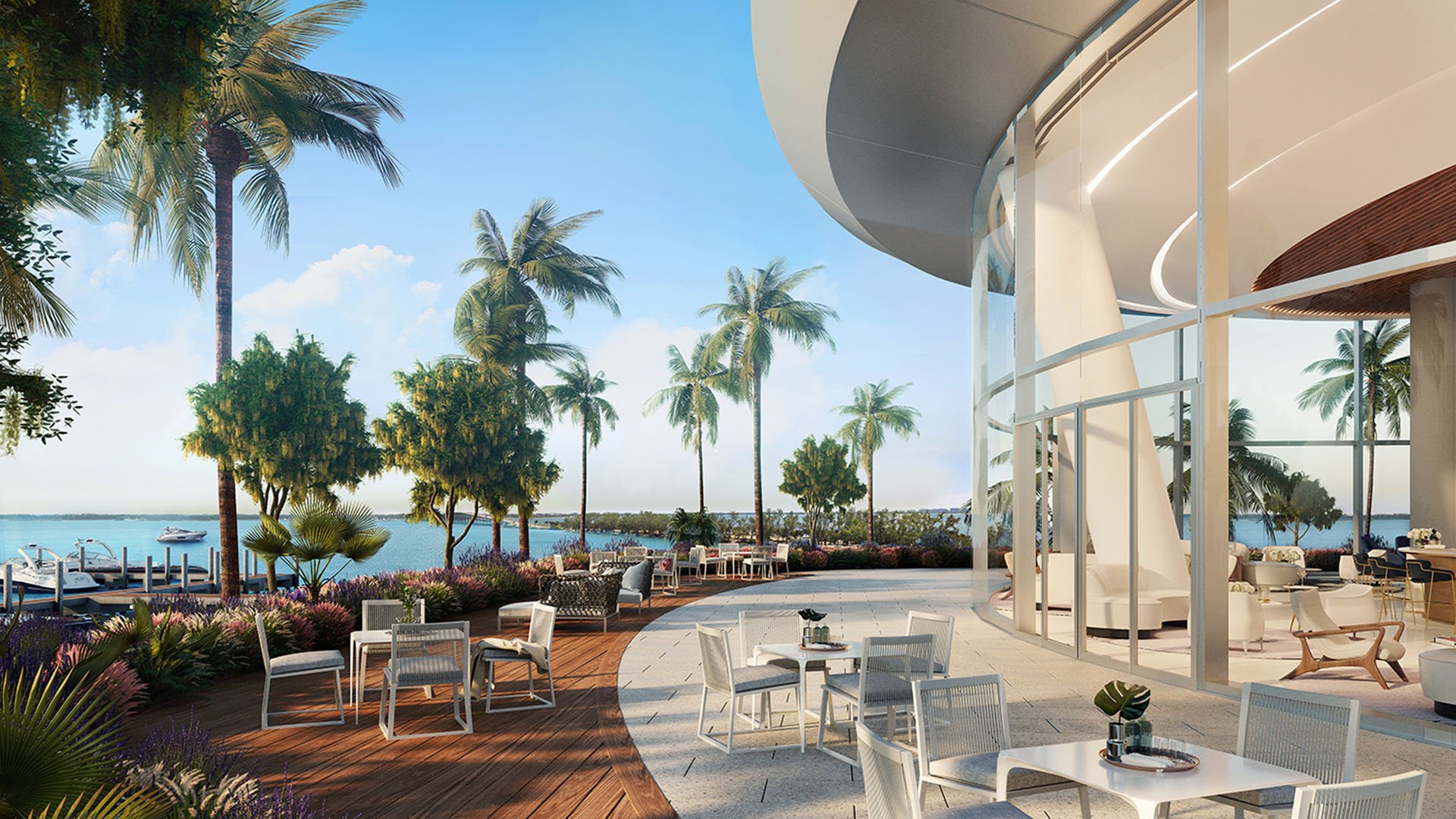
In Brickell, the most refined purchase process is often the most unsentimental. Views, finishes, private amenities, and brand identity all matter, but flood-zone exposure belongs in the first conversation: before negotiation, before design plans, and certainly before closing. For a luxury buyer, the issue is not only whether water can reach a property. It is how the building is designed to respond, how insurance is structured, how quickly daily life resumes, and how future buyers may underwrite the same risk.
The right questions are specific. They move beyond general comfort with a tower or address and focus on parcel-level exposure, finished-floor elevation, mechanical systems, garage design, drainage, access, association reserves, and insurance. A residence may sit high above the street and still depend on lower-level infrastructure. A striking Waterview may be part of the appeal, but it should also prompt a more disciplined review of the building envelope and operational continuity.
For buyers considering Una Residences Brickell or another bay-oriented address, the aim is not to avoid the water. The aim is to understand the property with the same rigor one would bring to art storage, yacht maintenance, or estate planning.
Begin with the legal and physical property, not the marketing name. Ask for the current flood-zone determination for the parcel, the base flood elevation if applicable, and the elevation of the lowest occupiable floor and critical systems. Do not accept a broad neighborhood answer. Brickell is a dense vertical market, and risk can vary by site design, podium height, entry sequence, and infrastructure placement.
A careful buyer should ask whether any portion of the property, including garage levels, lobby entries, loading areas, service corridors, storage rooms, or amenity decks, is treated differently from the residential floors. High-floors can reduce direct exposure for the residence itself, but they do not eliminate reliance on elevators, power, domestic water, fire-life-safety systems, access control, and staff operations.
If the purchase is in a New-construction building, ask for the flood-resilience assumptions built into the design. If it is a resale, ask for documented maintenance, past water-related repairs, association discussions, and planned capital projects. The distinction is not simply new versus old. It is whether the building’s risk profile is clear, priced, insured, and actively managed.
In a luxury condominium, the most valuable resilience question may not be inside the residence. It may be in the back-of-house plan. Ask where electrical rooms, generators, pumps, life-safety systems, elevator machinery, fire command functions, internet and communications equipment, and domestic water systems are located. Ask whether they are elevated, protected, redundant, or dependent on spaces more exposed to water.
This is especially important in towers where the private residence experience feels effortless. Buyers comparing St. Regis® Residences Brickell with other ultra-premium options should request the same operational clarity they would expect from any serious asset review. A graceful arrival sequence and hotel-caliber service are only as resilient as the systems that keep them running.
Parking deserves its own inquiry. Ask about garage elevation, entry ramps, drainage capacity, sump systems, flood barriers if any, and procedures for moving vehicles ahead of severe weather. If a residence includes assigned parking, storage, or private service access, understand whether those areas carry a different exposure profile from the apartment above.
Insurance should be discussed before the contract becomes emotionally inevitable. Ask what coverage is maintained by the condominium association, what the unit owner must secure separately, and how deductibles are allocated. Ask whether flood insurance, wind coverage, liability, contents, improvements and betterments, temporary housing, and loss assessment exposure have been reviewed together rather than as isolated policies.
For a luxury buyer, the interior build-out can be materially different from a standard unit package. Stone, millwork, lighting systems, integrated technology, art walls, wine storage, and specialty closets may require separate attention. The correct question is not merely, “Is the building insured?” It is, “How would my actual residence, as improved and furnished, respond financially after a water event?”
When evaluating Baccarat Residences Brickell or any design-forward residence, align the insurance discussion with the lifestyle program. If the home is a primary residence, second home, or occasional-use property, the policy approach and emergency protocols may differ.
Flood-zone exposure is not only a question of the unit. It is also a question of arrival. Ask how residents enter and exit during heavy rain, what happens if nearby streets are temporarily difficult, and whether the building has written procedures for staff, deliveries, valet, pets, housekeeping, private chefs, medical support, and security.
For many Brickell owners, convenience is part of the premium. A building can remain physically sound while daily life becomes inconvenient if access, loading, package rooms, or service elevators are disrupted. Ask management how communications are handled, who makes operational decisions, and how quickly common areas are inspected after an event.
Low-floors deserve additional attention because they may be closer to podium amenities, terraces, mechanical adjacency, or street-level activity. That does not make them undesirable. It simply means the buyer should evaluate exposure, privacy, noise, and recovery logistics with more precision.
The most elegant underwriting includes resale. Ask how future buyers are likely to view the same flood-zone information, insurance obligations, association reserves, and building systems. A prime view and a strong floor plan may support demand, but sophisticated purchasers increasingly expect clear answers about resilience.
This is where comparison becomes useful. A buyer looking at Cipriani Residences Brickell may be weighing service culture and design identity, while another considering 2200 Brickell may be focused on neighborhood rhythm and long-term usability. In both cases, the flood conversation should be integrated into price, carrying cost, financing comfort, and future marketability.
Ask whether the association has planned reserve items tied to drainage, waterproofing, elevator protection, garage systems, or façade maintenance. Ask whether special assessments are being discussed or whether capital planning appears orderly. The goal is not to predict every event. It is to avoid purchasing into ambiguity.
Flood-zone exposure should not make Brickell feel inaccessible. It should make the diligence process more sophisticated. The strongest buyers ask for documents, involve qualified advisers, compare buildings without emotion, and treat resilience as part of luxury rather than a concession to it.
A beautiful residence should feel effortless after closing. To get there, ask practical questions early: What is exposed? What is elevated? What is insured? What is redundant? What happens to access, staff, vehicles, storage, and common areas? What costs could shift to owners? What would a future buyer want to know?
In Brickell, luxury is not only the view from above. It is confidence in what supports the tower below.
Should flood-zone exposure stop me from buying in Brickell? Not necessarily. It should prompt more exact diligence on the parcel, building systems, insurance, and recovery procedures.
Is a high-floor residence automatically safer from flood risk? A high-floor home may reduce direct unit exposure, but it still depends on lower-level systems, elevators, parking, utilities, and access.
What document should I ask for first? Ask for the current flood-zone determination for the specific property, then review elevation, insurance, and association materials with advisers.
Should I review the garage separately? Yes. Parking, storage, ramps, drainage, and vehicle procedures can carry a different exposure profile from the residence itself.
What should cash buyers ask about insurance? Cash buyers should still review association coverage, personal coverage, deductibles, contents, improvements, and potential loss assessments.
Are new buildings always better for flood resilience? Not automatically. New-construction may include current design thinking, but buyers should still verify system placement, protection, and operations.
How does flood exposure affect resale? Future buyers may evaluate insurance costs, association reserves, access, and building resilience, so clarity today can support liquidity later.
Should I involve an engineer before closing? For a significant purchase, an engineering review can help interpret building systems, elevations, drainage, and maintenance priorities.
Do lower floors require extra diligence? Yes. Low-floors may be closer to podium, amenity, street, or service areas, so exposure and recovery logistics should be reviewed closely.
What is the most important question to ask management? Ask how the building protects critical systems and how residents are supported before, during, and after a water-related event.
For a discreet conversation and a curated building-by-building shortlist, connect with MILLION.
If branded residences are on your mind — as a home or as an allocation — we would be glad to share what we are seeing, privately.
Begin a quiet conversation