A discreet due-diligence guide for art collectors evaluating Fort Lauderdale luxury residences through the lenses of conservation, access, privacy, operations and long-term value.

For an art collector, buying in Fort Lauderdale is not simply a search for water, height, service and privacy. It is a test of whether a residence can live with important objects. Paintings, works on paper, photography, sculpture, design pieces and collectible furniture place demands on a home that are rarely visible in a sales gallery. Light, humidity, security, service elevators, delivery protocol, wall systems, storage and insurance documentation all become part of the buying decision.
That is why the collector’s first move should be restraint. Do not stop at portal language like Fort-lauderdale, Broward, Oceanfront, Waterview, New-construction or Art-basel convenience. Those labels may narrow a search, but they do not answer the essential question: can the property protect, display and support a collection without forcing compromises after closing?
Fort Lauderdale can be compelling for buyers who want a more measured South Florida rhythm than Miami while remaining connected to the region’s cultural calendar. Yet the best purchase is rarely the most dramatic view alone. It is the residence whose architecture, building staff and private circulation allow art and life to coexist with minimal friction.
Begin with light. A bright room can be seductive during a showing and punishing for certain works over time. Ask how direct sun moves across the principal walls throughout the day, not only during the appointment hour. Consider whether glazing, shades and lighting controls can support different media. A collector should know where delicate works could hang, where robust works could command space and where no serious object should be placed.
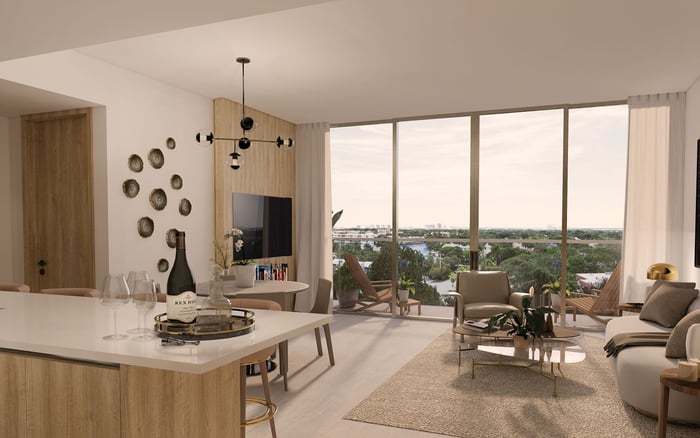
Study walls with the same seriousness as views. Large uninterrupted planes matter, but so do substrate, wiring, outlet placement, ceiling height and the ability to install discreet picture lighting. A spectacular living room that cannot accept a meaningful hanging plan may be less useful than a quieter room with disciplined proportions.
Floor plan is equally critical. Sculpture needs circulation. Works on paper may require lower light. A collection with changing loans or rotations needs staging space. In a hospitality-driven building such as Four Seasons Hotel & Private Residences Fort Lauderdale, the buyer should evaluate not only the residence itself, but also how service culture, arrival sequence and privacy expectations align with visits from art handlers, framers, conservators and advisors.
Collectors often underwrite the unit and overlook the building. That is a mistake. The most beautiful residence can become impractical if a crate cannot move cleanly from loading area to elevator to private entry. Before signing, ask direct questions about freight access, elevator dimensions, delivery hours, advance notice, protective padding, insurance certificates and staff familiarity with white-glove handling.
Security should be layered rather than theatrical. A staffed arrival is useful, but serious collectors should understand visitor protocol, package control, camera coverage in common routes and the distinction between privacy and exposure. If a residence has a dramatic entry sequence, consider who sees what, and when. The goal is not paranoia. It is discretion.
Humidity is another quiet test. South Florida living rewards openness, terraces and water proximity, but collections prefer stability. Buyers should ask how the residence performs when owners travel, when storms approach, when systems are serviced and when doors are frequently opened for entertaining. The question is not whether a home is luxurious. The question is whether it remains consistent.
At St. Regis® Residences Bahia Mar Fort Lauderdale, a collector considering the broader promise of a branded residential environment should still perform the same granular review: private arrival, delivery choreography, staff protocol, lighting plan and the practical path from curb to wall.
An art residence is not static. Collections move. Works go to storage, conservation, exhibition, auction preview, private dinner, seasonal home or family office. Fort Lauderdale should therefore be evaluated as a base of operations, not merely as a beautiful place to wake up.
Ask how often you attend openings, fairs, museum events, private previews and advisor meetings across South Florida. If your collecting life is anchored in Miami during peak season, Fort Lauderdale must justify the distance through privacy, space, calm or value. If your preference is a quieter waterfront setting with selective trips south and north, the city may feel especially rational.
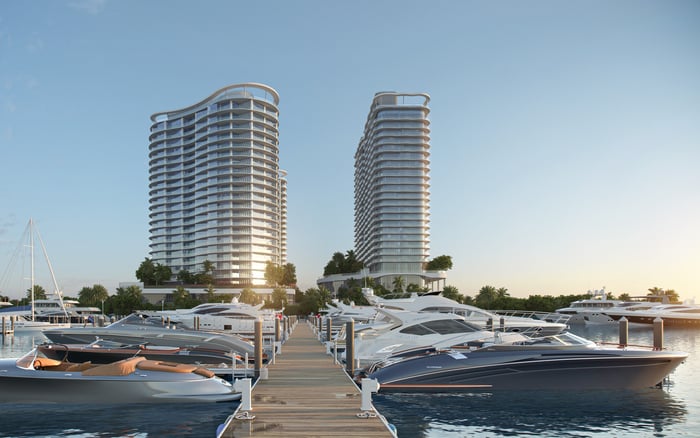
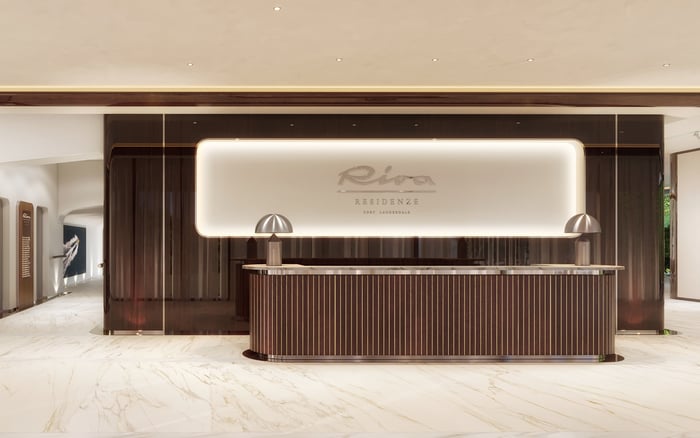
A project such as Riva Residenze Fort Lauderdale may appeal to buyers who want a residential posture rather than a purely resort-like identity. The analysis should remain disciplined: does the plan allow for art, entertaining, quiet daily living and secure movement, or does it merely photograph well?
For collectors with boats, cars, staff, guests and seasonal travel, the property must also support timing. Can an installer arrive without disrupting a family breakfast? Can a courier be received when the owner is away? Can a major work be uncrated without turning the residence into a construction site? These are not minor questions. They mark the difference between ownership and stewardship.
Fort Lauderdale should be pressure-tested against alternatives, not treated in isolation. Miami Beach may offer proximity to certain cultural moments. Palm Beach may offer a different social cadence. Boca Raton, Surfside, Sunny Isles and Pompano Beach each carry their own residential logic. The collector’s task is to decide which market best matches the collection, the household and the way the owner wants to be seen, or not seen.
This is where discretion becomes a form of value. Some collectors want high visibility and architectural drama. Others want quiet arrival, controlled access and rooms that privilege the art over the skyline. Fort Lauderdale’s appeal often lies in that middle register: refined, connected and less performative when chosen carefully.
At Sixth & Rio Fort Lauderdale, as with any residence under consideration, the question is not whether the address sounds current. It is whether the building can support the owner’s daily rituals, guest profile and collection management without excessive improvisation.
Collectors should negotiate differently. Decorative allowances may be less important than technical permissions and operational clarity. Before contract, discuss wall reinforcement, lighting modifications, shade systems, climate-control expectations, security integration, storage options and rules for deliveries or installations. If alterations will be needed, understand approval timelines and limits.
Insurance should also enter the conversation early. A carrier may care about alarms, water detection, occupancy patterns, backup systems and building procedures. If a collection is material to the purchase, the residence should be reviewed with the same seriousness as any other asset protecting a significant balance sheet.
Finally, think about resale. A home over-customized for one collection may narrow the next buyer pool, while a residence improved with elegant lighting, stable systems and intelligent walls can feel more valuable to a wide range of sophisticated buyers. The ideal Fort Lauderdale art residence is not a stage set. It is a durable environment where architecture, service and objects hold each other in balance.
Should art collectors prioritize view or wall space? Both matter, but wall space usually determines how well a collection can live in the residence. A spectacular view should not compromise the best hanging walls.
Is direct sunlight a serious issue in waterfront homes? Yes, especially for works on paper, photography, textiles and sensitive pigments. Buyers should review glazing, shading and lighting control before committing.
What building feature is most often overlooked? Freight and delivery logistics are frequently underestimated. A collector should confirm how large works move from arrival to residence.
Should I involve an art advisor before buying? If the collection is meaningful, yes. An advisor or collection manager can evaluate display, storage, handling and installation needs before closing.
Can a luxury condo support serious sculpture? It can, provided the floor plan, structural considerations, elevator access and circulation are appropriate. These details should be confirmed early.
How important is humidity control in Fort Lauderdale? Very important for conservation and insurance comfort. Stability matters more than a single impressive system specification.
Should collectors favor branded residences? Branding can signal service expectations, but it is not a substitute for due diligence. The operating procedures must still suit art ownership.
What should be negotiated before contract? Clarify permissions for lighting, wall reinforcement, shades, security, deliveries and installation work. Written clarity reduces friction later.
Is Fort Lauderdale practical during the South Florida cultural season? It can be, particularly for buyers who value privacy and selective regional access. The key is matching location to your actual calendar.
What makes a residence truly collection-ready? A collection-ready home combines controlled light, stable climate, secure access, usable walls and staff protocols that respect discretion.
For a tailored shortlist and next-step guidance, connect with MILLION.
If branded residences are on your mind — as a home or as an allocation — we would be glad to share what we are seeing, privately.
Begin a quiet conversation