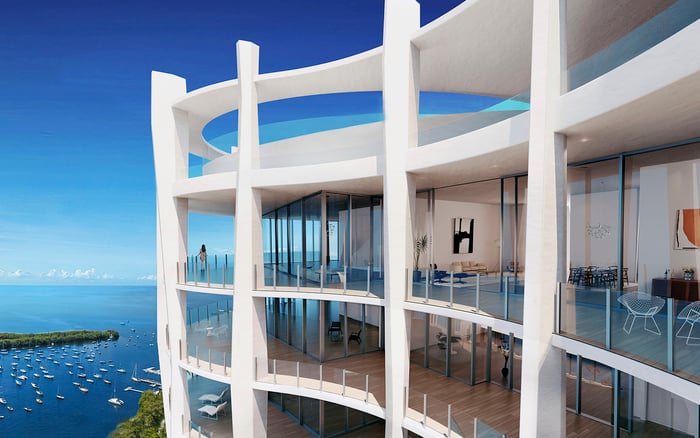
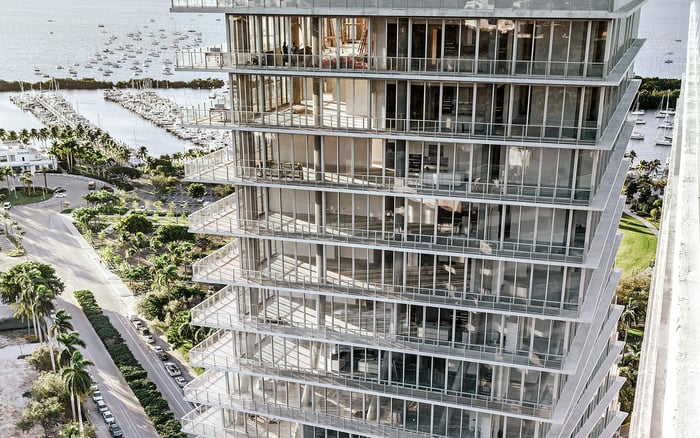
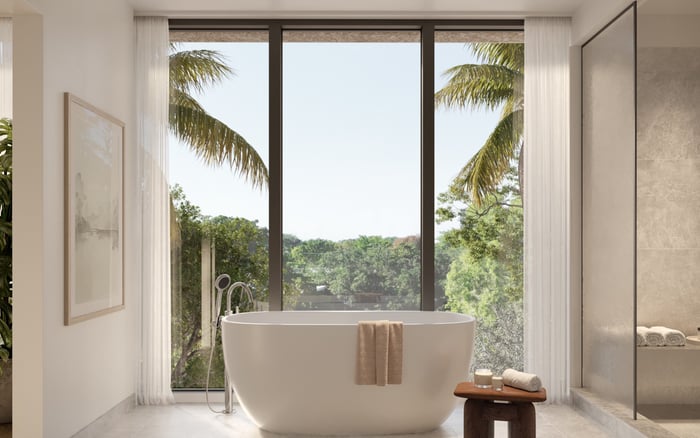
For collectors, a Coconut Grove condo search should begin with the collection rather than the view. Wall dimensions, controlled light, circulation, climate strategy, security and delivery logistics can determine whether a beautiful residence also works as a private gallery.
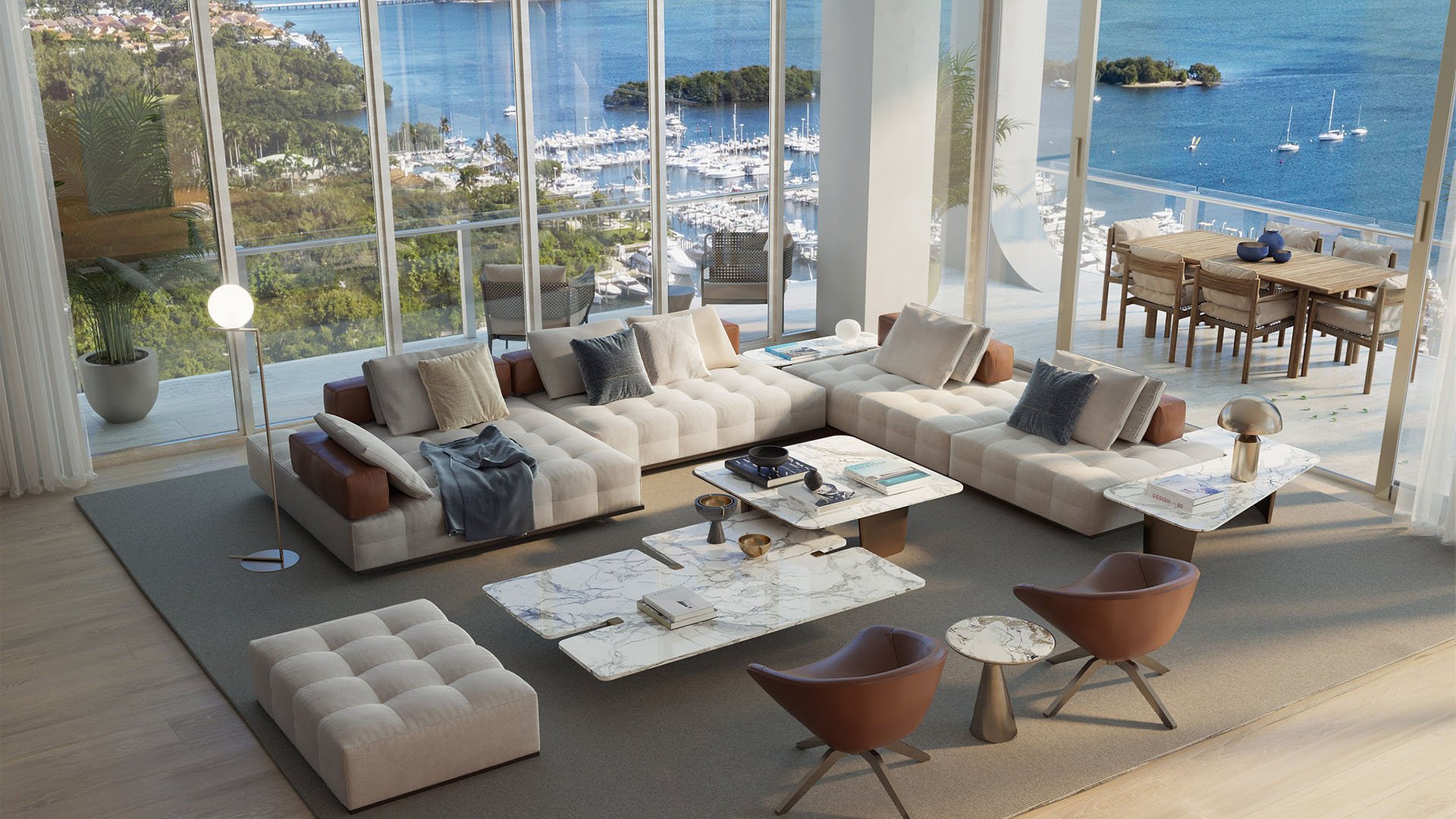
For an art collector, the most persuasive condominium is not necessarily the one that makes the most dramatic first impression. The better choice is a residence that can receive, display and protect a collection without forcing every work into compromise. In Coconut Grove, that distinction can reshape the search from the first private showing.
Begin with an inventory rather than a conventional wish list. Record the dimensions, weight, medium and installation requirements of priority works. Separate pieces that need long viewing distances from those suited to intimate passages. Identify works on paper, photographs, textiles and other light-sensitive pieces that may require stricter placement. This process turns an abstract preference for “good walls” into a practical acquisition brief.
The central principle is simple: art should be treated as part of the residence program, not as decoration added after closing.
Floor plans show boundaries, but collectors need elevations. During a showing, note uninterrupted wall width, ceiling height, outlet locations, switches, vents, doors and built-ins. A broad wall can lose much of its value when circulation paths or controls interrupt the intended composition.
Viewing distance matters just as much. Large paintings may need depth across a room, while sculpture requires clearance on all sides and a route that does not conflict with daily movement. Open planning can be visually elegant yet offer fewer usable surfaces than a more articulated layout.
A terrace may be central to the lifestyle appeal of a residence, but expansive glazing can reduce hanging space. The collector’s task is not to reject glass, but to determine whether the remaining solid walls are well proportioned, visible and appropriately lit.
Natural light deserves careful observation at more than one time of day. Rather than assuming brightness is universally beneficial, consider its intensity, direction, duration and reflection. Ask where direct sun reaches, whether shades provide meaningful control and how nearby water or pale exterior surfaces affect glare.
For a waterfront home, the view may remain a priority, but it should be balanced against conservation and visual comfort. A lighting consultant can help map display zones, while an art adviser or conservator can identify works requiring greater protection. Window treatments, dimming and carefully placed fixtures should be considered early, before furniture and art compete for the same electrical plan.
This is where design and architecture become operational. The objective is a layered environment in which daylight, evening illumination and the collection can each be experienced without one overwhelming the others.
The residence is only one part of the art environment. Ask how temperature and humidity are managed, including when the home is unoccupied. Review backup planning, monitoring options and the implications of keeping certain works in conditioned storage rather than on continuous display.
Security should be discreet but deliberate. Consider entry control, staff and vendor protocols, camera placement, alarm integration and privacy during installation. Insurance requirements may influence glazing, mounting, storage or documentation, so specialist input is best obtained before an offer becomes unconditional.
Handling logistics can eliminate an otherwise compelling property. Trace the complete route from vehicle arrival to the residence: loading access, door clearances, elevator dimensions, weight limits, turning radii and scheduling rules. For oversized or unusually heavy works, obtain written confirmation of what the building permits and ask a qualified installer to assess feasibility.
A collector-focused tour should compare different residential formats rather than rely on a single aesthetic. Park Grove Coconut Grove and Four Seasons Residences Coconut Grove may enter the initial conversation, but every candidate should be judged residence by residence, using verified plans and physical measurements.
The same discipline applies when considering Opus Coconut Grove, The Well Coconut Grove or Ziggurat Coconut Grove. Project identity may help define a shortlist, yet the decisive questions remain specific: Which exposure works for the collection? Where can sculpture live? Can a major piece reach its intended room? Which alterations require approval?
Create an art-fit scorecard for every showing. Useful categories include usable wall area, light control, ceiling and floor capacity, installation access, security, environmental management, storage and flexibility. Photograph only with permission, annotate the plan immediately and do not rely on memory.
Before committing, request the documents and approvals relevant to the intended installation. Confirm renovation procedures, contractor access, permissible working hours and any restrictions affecting walls, ceilings, floors or exterior-facing shades. If specialty lighting, blocking, reinforced plinths or museum-grade glazing is contemplated, establish whether the work is feasible and who must approve it.
The final test is future flexibility. Collections evolve, loans rotate and tastes change. A residence with several viable display zones may serve a collector better than one spectacular room without alternatives. The most sophisticated purchase is not merely a setting for today’s collection, but an adaptable framework for years of looking, living and collecting.
Should art be inventoried before condo tours begin? Yes. Dimensions, media, weight and display priorities create a more precise property brief.
Are floor plans sufficient for evaluating display space? No. Buyers should verify wall elevations, controls, openings and actual viewing distances.
Does abundant natural light always benefit an art-filled home? Not necessarily. Light intensity, direction, duration and control should be assessed by artwork type.
What should a collector measure during a private showing? Measure usable walls, ceilings, doors, elevators, corridors and critical turning points.
Can a view and a serious collection coexist? Yes, provided glazing, solid walls, shades and lighting are balanced thoughtfully.
When should a conservator become involved? Before commitment, when the collection includes sensitive, oversized or unusually valuable works.
Why do delivery routes matter? A work must move safely from arrival to its display position within building rules.
Should building approvals be reviewed before making alterations? Yes. Confirm procedures for lighting, wall reinforcement, shades and specialist installations.
How should two otherwise similar residences be compared? Use an art-fit scorecard covering display, preservation, access, security and adaptability.
What makes a condo collection-ready over time? Multiple display zones, controllable conditions and flexible planning support a changing collection.
For a discreet conversation and a curated building-by-building shortlist, connect with MILLION.
If branded residences are on your mind — as a home or as an allocation — we would be glad to share what we are seeing, privately.
Begin a quiet conversation