A discreet buyer’s guide to why Art Basel Miami Beach season can sharpen the logic for a Bay Harbor Islands pied-à-terre, with emphasis on positioning, privacy, boutique scale, and access.
Art Basel Miami Beach is more than a week of fairs, dinners, private viewings, and collector traffic. For the South Florida pied-à-terre buyer, it becomes a stress test. It compresses the city’s strongest appeals into a short, highly social window: art, design, hospitality, waterfront living, and the need to move gracefully between them.
That compression is useful. A residence that feels impressive on a quiet Tuesday may feel poorly positioned when the calendar intensifies. A pied-à-terre that truly works should offer more than a beautiful arrival. It should let the owner participate in Miami Beach culture without living inside its congestion. That is where Bay Harbor Islands becomes more interesting.
The case is not that every buyer should choose Bay Harbor Islands over Miami Beach, Surfside, Bal Harbour, or Brickell. The case is subtler: for a certain ultra-premium buyer, especially one who values privacy, calm, and an easy lock-up lifestyle, Bay Harbor Islands can feel better positioned than expected.
A South Florida second home is often judged by view, finish, service, and brand. Those elements matter, but rhythm matters just as much. During cultural high season, a buyer quickly learns whether a residence supports the way they actually live: morning walks, private work calls, lunch near the water, a gallery afternoon, dinner across the causeway, then a quiet return.
Bay Harbor Islands can be compelling because it occupies a middle register. It is close enough to the Miami Beach and Bal Harbour orbit to feel connected, yet residential enough to feel composed. The buyer is not necessarily seeking seclusion in the absolute sense. They are seeking control. They want to choose when to be visible and when to retreat.
That distinction is central to the pied-à-terre conversation. The best second home does not only perform during holidays. It performs during the most demanding social weeks, when privacy, parking, building circulation, guest access, and neighborhood atmosphere become part of the ownership experience.
During Art Basel Miami Beach, the center of gravity shifts from beach leisure to cultural access. Buyers who arrive for the week often spend as much time moving between dinners, previews, and private appointments as they do enjoying the sand. In that context, Bay Harbor Islands can feel strategically placed rather than peripheral.
The neighborhood’s appeal is not theatrical. It is quieter, lower-key, and more residential in tone. That can be an advantage for collectors and design-minded buyers who do not need their building lobby to double as a social stage. In a week defined by public moments, a more discreet home base may be the real luxury.
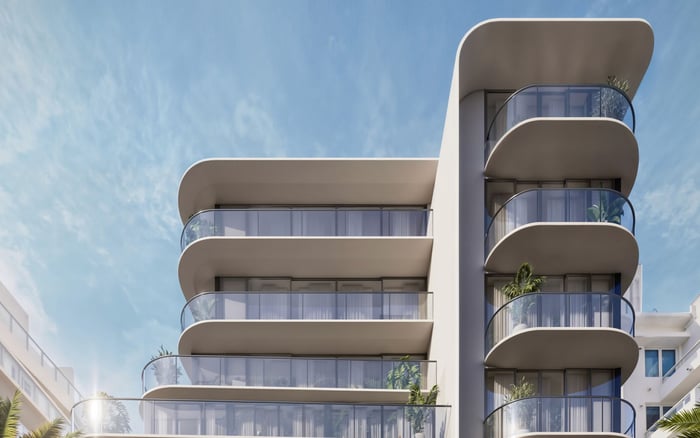
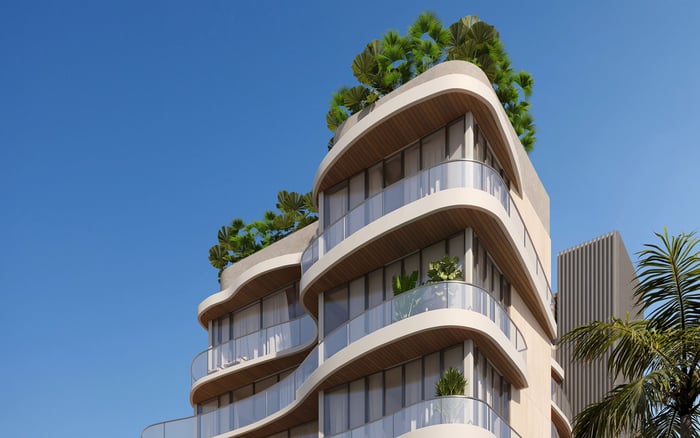
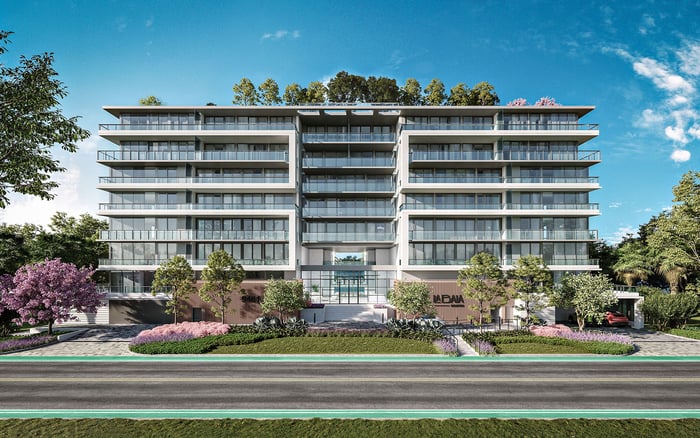
This is why projects such as Alana Bay Harbor Islands can enter the conversation naturally for buyers who want a boutique residential feel in a calmer setting. The draw is not only the address. It is the prospect of a refined landing point near the cultural action, without surrendering the quieter daily rhythm that makes a pied-à-terre easy to keep.
For many buyers, Bay Harbor Islands also implies proximity to Bal Harbour. That adjacency matters because it connects the second-home owner to shopping, dining, beaches, and established luxury expectations without requiring a full resort-front identity.
Not every owner wants a tower that announces itself. Some want a residence that feels personal, practical, and private. A Bay Harbor Islands pied-à-terre can suit buyers who already have a primary estate elsewhere and need a South Florida residence that is elegant but not overexposed.
This is where Onda Bay Harbor becomes a useful reference point. For a buyer thinking about water, marina sensibility, and ease of access, Bay Harbor Islands can offer a residential counterpoint to more overtly beachfront choices. The value proposition is not simply being near Bal Harbour. It is having a more controlled version of that broader lifestyle.
In search terms, the decision may sit at the intersection of Art Basel energy, second-home practicality, and Bal Harbour adjacency. The shorthand may be inelegant, but the underlying buyer logic is precise.
Art collectors often understand scale better than most buyers. They know that proportion, sequence, light, and discretion shape how an object is experienced. The same thinking applies to a residence. A smaller or more intimate building can sometimes serve a pied-à-terre owner better than a larger, more public environment.
Boutique scale can make arrival feel calmer. It may reduce the sense of anonymity. It can also support the feeling that a residence is a private base rather than a hotel-like address. For buyers who entertain selectively or come to Miami for art and design programming, that quieter scale can align more closely with how they use the home.
Bay Harbor Islands is especially relevant for buyers who do not want to choose between polish and ease. The Well Bay Harbor Islands adds another lens to the neighborhood conversation, particularly for owners who think about wellness, calm, and daily ritual as part of the luxury equation. A pied-à-terre should not feel like a compromise between culture and restoration. It should offer both.
A buyer considering Bay Harbor Islands for a South Florida pied-à-terre should focus less on abstract neighborhood ranking and more on lived performance. How does the residence handle arrivals during busy weeks? How intuitive is the route to Miami Beach, Surfside, Bal Harbour, and the mainland? Does the building feel calm when guests are in town? Is the floor plan suited to short stays, remote work, and occasional entertaining?
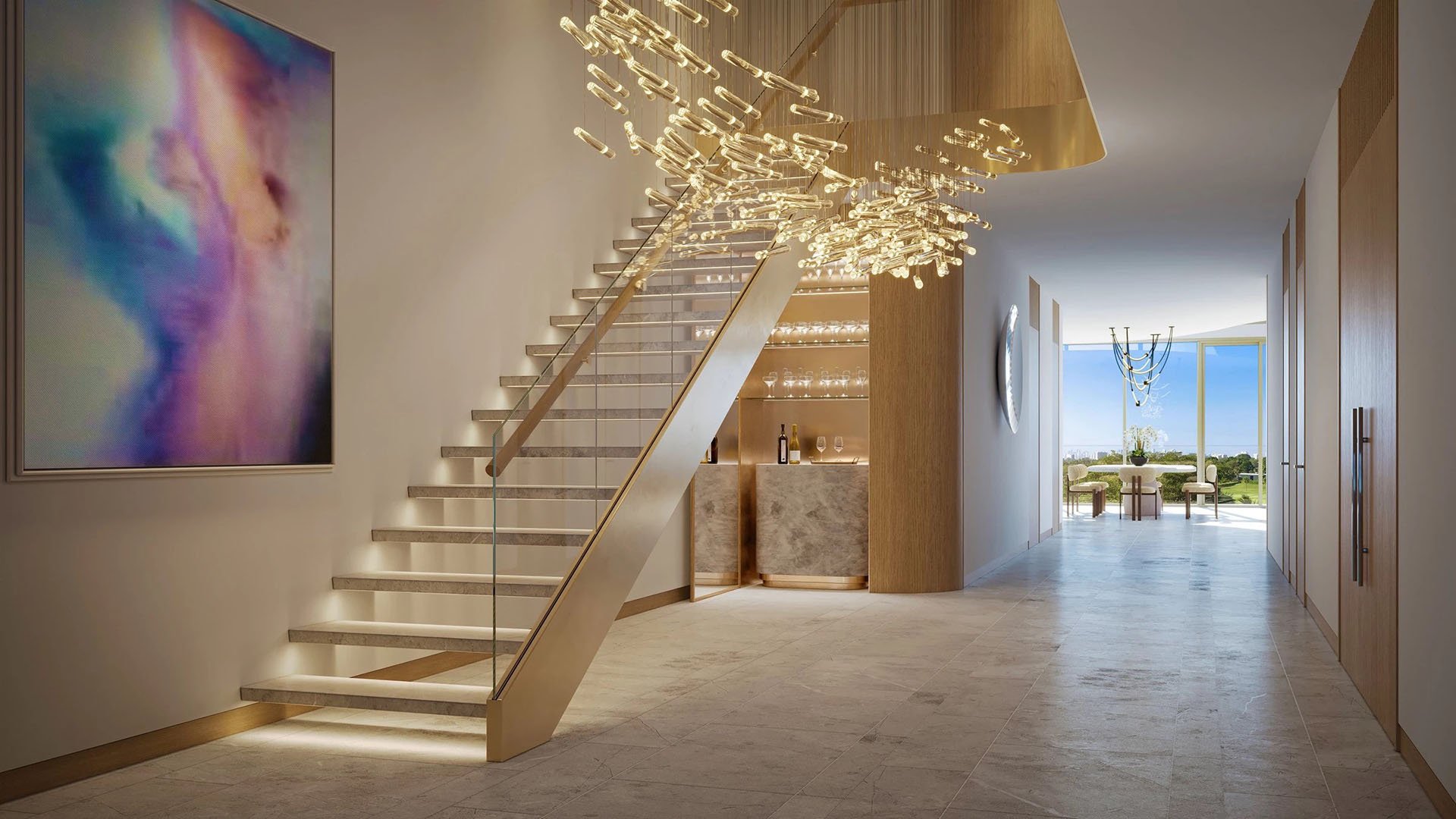
The best-positioned pied-à-terre is rarely the loudest one. It is the one that removes friction. In practical terms, that may mean efficient storage, generous outdoor space, thoughtful service, privacy from neighboring exposures, and an arrival sequence that feels effortless after a long evening.
Waterfront sensibility may also matter. La Maré Bay Harbor Islands is part of the broader Bay Harbor Islands conversation for buyers who want the softness of water nearby while remaining within a residential setting. That balance is central to the appeal: scenic enough to feel special, quiet enough to feel usable.
A Bay Harbor Islands pied-à-terre is not the default answer for every buyer. Miami Beach may remain the better fit for owners who want to be directly in the center of the cultural, dining, and beachfront experience. For some, walking out into the full atmosphere is the point.
There is also a buyer for whom iconic oceanfront presence carries personal and investment value that a quieter island address cannot replace. A project such as The Perigon Miami Beach reflects a different version of the same second-home question: proximity to the ocean, architectural statement, and Miami Beach identity as the primary luxury.
The distinction is not better or worse. It is about temperament. Bay Harbor Islands speaks to the buyer who wants access without immersion. Miami Beach speaks to the buyer who wants immersion as part of the ownership privilege.
The most persuasive argument for Bay Harbor Islands is what remains after the art week itinerary is over. When the invitations slow and the city returns to its normal pace, the buyer still has to enjoy the residence. That is where a quieter, better-positioned pied-à-terre can be more enduring than a purely event-driven purchase.
A well-chosen Bay Harbor Islands home can serve as a cultural base, a beach-adjacent retreat, a wellness-oriented reset, and a practical South Florida address. It allows the owner to participate in Miami’s most visible moments while preserving a private rhythm beyond them.
For the ultra-premium buyer, that may be the most refined form of positioning: close enough to the room, never captive to it.
Why consider Bay Harbor Islands for an Art Basel Miami Beach pied-à-terre? It can offer a calmer residential base near the broader Miami Beach and Bal Harbour orbit, which may suit buyers who value privacy during busy cultural weeks.
Is Bay Harbor Islands a substitute for Miami Beach? Not exactly. It is better understood as an alternative for buyers who want access to Miami Beach without living directly inside its most active corridors.
What type of buyer is most aligned with Bay Harbor Islands? It often appeals to discreet second-home buyers, collectors, and frequent visitors who prioritize quiet, convenience, and a refined lock-up lifestyle.
Does boutique scale matter for a pied-à-terre? Yes. Boutique scale can make the residence feel more personal, less public, and easier to manage during short or seasonal stays.
How should buyers compare Bay Harbor Islands with Bal Harbour? Bal Harbour may feel more resort and retail oriented, while Bay Harbor Islands may feel more residential and understated.
Should a buyer focus only on views? No. Views matter, but circulation, privacy, service, storage, and ease of arrival are just as important for frequent-use second homes.
Can a Bay Harbor Islands pied-à-terre work beyond art week? Yes. The strongest case is year-round usability, with enough access for cultural moments and enough calm for ordinary stays.
Is new construction important in this search? It can be, especially for buyers who want modern layouts, current finishes, and a simpler ownership experience.
What is the biggest mistake buyers make in this category? They sometimes buy for a single glamorous week instead of evaluating how the residence supports daily life after the events end.
How should a buyer begin refining the search? Start with lifestyle rhythm, desired privacy, preferred building scale, and how often the home will be used across the year.
If you'd like a private walkthrough and a curated shortlist, connect with MILLION.
If branded residences are on your mind — as a home or as an allocation — we would be glad to share what we are seeing, privately.
Begin a quiet conversation