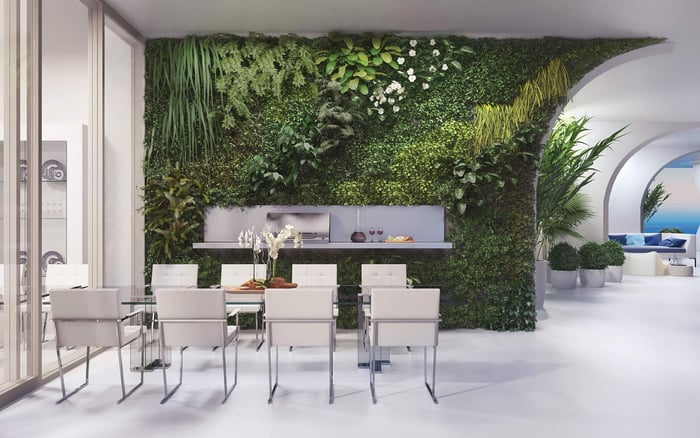
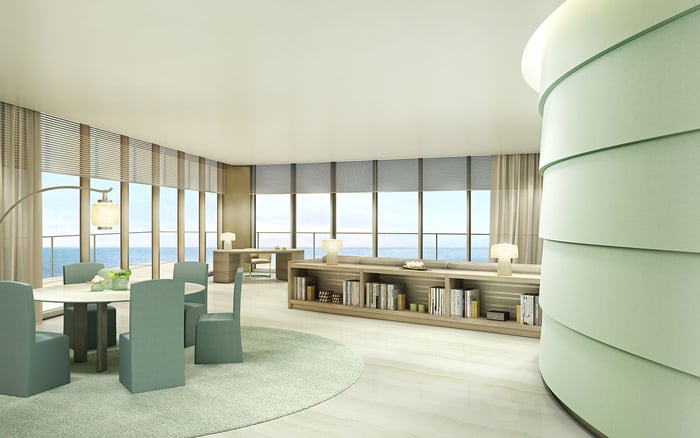
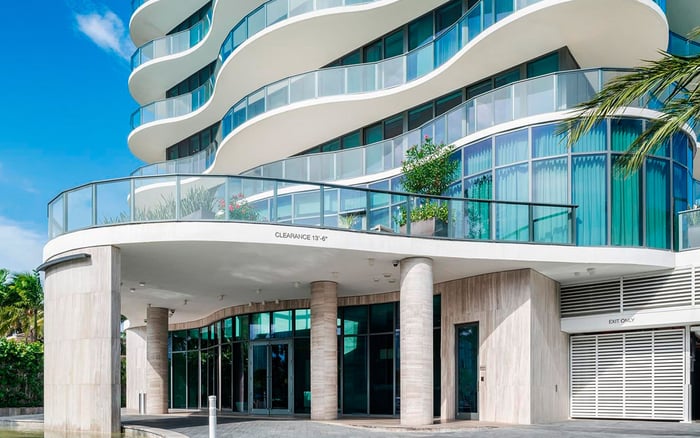
A buyer-focused look at Residences by Armani/Casa as a fashion-design-led case study in Sunny Isles Beach, where luxury condominium value is increasingly shaped by brand identity, service culture, and resident experience.
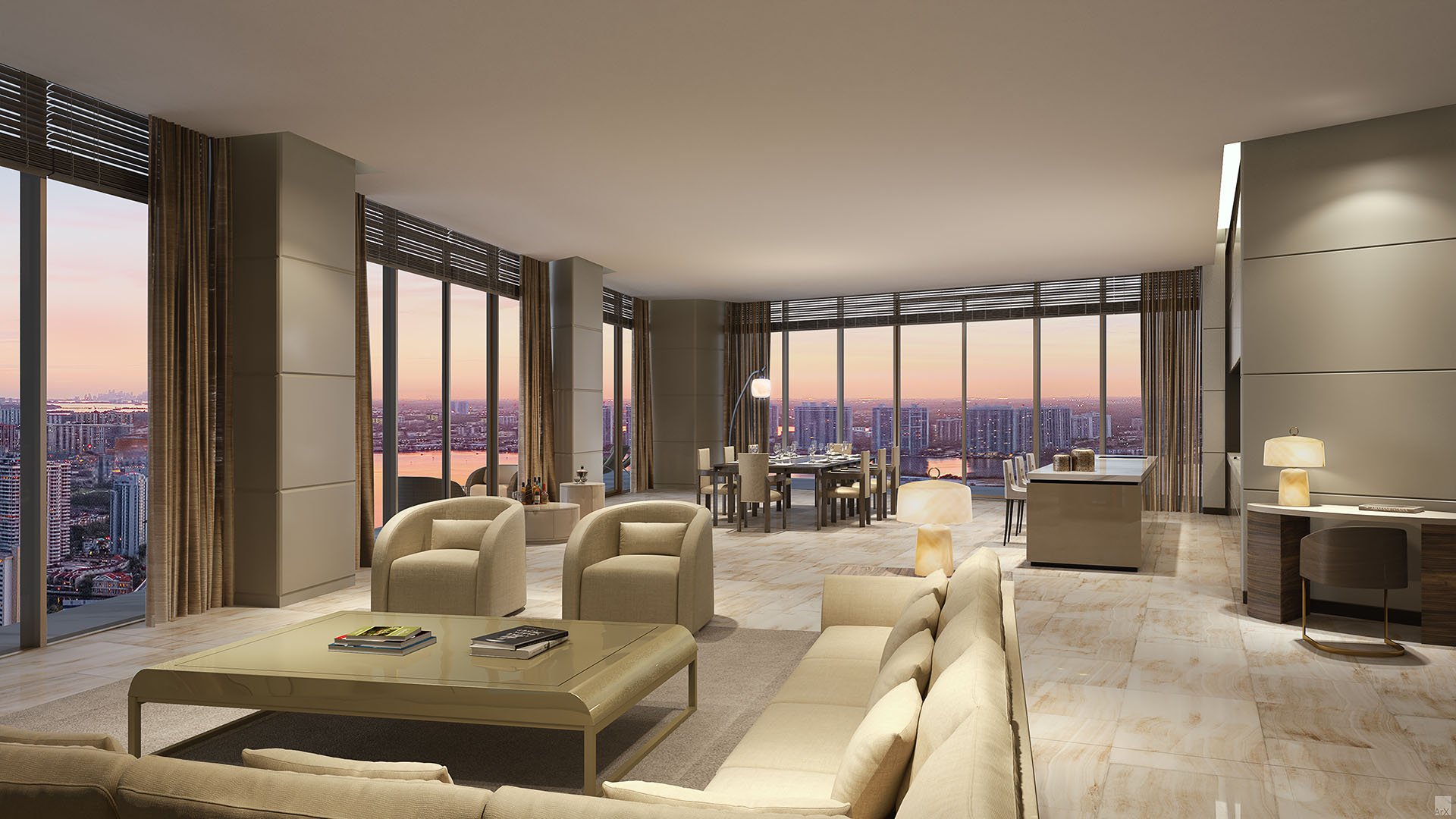
Armani Casa Sunny Isles Beach belongs to a more mature phase of South Florida luxury real estate. The question is no longer simply whether a tower is tall, coastal, or finished with the expected materials. Those elements still matter in Sunny Isles Beach, but they are increasingly read as the foundation rather than the full proposition. The sharper buyer question is whether a building can deliver a recognizable way of living, consistently, over time.
That is where Armani Casa Sunny Isles Beach becomes a useful case study. Its premise connects the Armani/Casa design identity with luxury residential living, creating a product intended to be understood through both its physical environment and its resident experience.
For buyers evaluating Branded Residences, this matters because the name on the building does more than decorate the lobby wall. It frames expectations. A fashion-backed brand suggests a particular discipline: restraint, material control, proportion, and a service tone that feels edited rather than theatrical. In Sunny Isles Beach, where towers compete for attention along a highly visible coastline, that quieter form of confidence can be its own luxury signal.
Sunny Isles Beach has long offered the natural ingredients luxury buyers understand immediately: water, height, privacy, and a resort-like coastal setting. But the premium conversation has moved beyond the view corridor. A residence can have strong water exposure and still feel generic if the daily experience lacks definition.
The Armani/Casa example points to a local shift from luxury condos defined mainly by views and finishes to luxury condos defined by service, brand identity, and resident experience. That does not diminish the value of architecture or interior design. It raises the standard for what those elements must support. Design & Architecture still matters deeply, but in the branded-residence model, it becomes part of a larger operating promise.
For the owner, this can function as a shortcut. A recognized brand can communicate quality, consistency, and lifestyle expectations before a buyer studies every amenity or finish specification. It can also help brokers and asset managers explain why one luxury tower feels distinct from another when both may offer high floors, water views, and generous amenity spaces.
The interesting point about Armani/Casa is that it is not primarily a hotel flag, an automotive marque, or a high-energy hospitality concept. It is fashion and interiors translated into residential life. That gives the tower a different temperament from hospitality-led or performance-led branding.
In practice, the Armani/Casa identity is best understood as understated and Italian-inflected rather than overtly resort-like. The brand suggests a composed environment where service culture is part of the product, though not necessarily expressed through spectacle. The luxury is meant to feel controlled. The tone is polished, but not loud.
That distinction is important in Sunny Isles Beach because buyers are not all seeking the same version of branded living. Some want the signaling power of an automotive name, which makes Bentley Residences Sunny Isles relevant to the broader conversation. Others gravitate toward a hospitality vocabulary, which gives projects such as St. Regis® Residences Sunny Isles and The Ritz-Carlton Residences® Sunny Isles their own intuitive appeal.
Armani/Casa sits in a different lane. It tells the buyer that the home is being shaped through a design house’s sensibility. The service culture is expected to complement that sensibility: elegant, measured, and aligned with the brand’s visual and emotional language.
Service culture in a condominium should not be confused with hotel behavior. A private residence requires a more delicate balance. Owners want attentiveness, but they also want autonomy. They want a building that anticipates daily needs without making the experience feel public or performative.
That is why brand-backed service is powerful when it is coherent. The strongest residential brands create a through-line between arrival, interiors, amenities, and the rhythm of daily life. If the building’s design language is calm, the service should not feel frantic. If the brand is known for refinement, the resident experience should not feel improvised.
At Armani/Casa, the relevance of the brand comes from the way the Armani name is expected to influence both the physical environment and the resident experience. The tower is framed as more than architecture and interiors. It participates in a broader idea that service is not an add-on. It is part of what buyers are purchasing.
That idea also helps explain why Oceanfront towers increasingly compete on intangibles. The ocean is constant, but the feeling of living in one building versus another can be radically different. Lifestyle is shaped by staffing tone, amenity use, privacy expectations, design atmosphere, and the subtle choreography of arrival and return.
A sophisticated buyer should read a branded condominium in two ways. First, aesthetically: does the physical environment align with the buyer’s own taste? Second, operationally: does the brand imply a standard of consistency the owner values?
With Armani/Casa, the aesthetic read is central. Buyers attracted to the project are likely to understand luxury through restraint rather than ornament. They may prefer interiors that feel curated, balanced, and international, with an emphasis on mood and proportion rather than novelty.
The operational read is more nuanced. The brand-backed model can create a perceived expectation of consistency, but buyers should still evaluate the building as a residence, not as a logo. The question is whether the service culture feels natural to the building’s identity. In the best cases, the staff experience, amenity environment, and private spaces feel like parts of one composition.
This is also why Armani Casa Residences Pompano Beach is worth watching in the wider South Florida discussion. When a design house extends its residential language across markets, buyers begin to compare not only buildings, but also the consistency of the brand’s residential philosophy.
Sunny Isles Beach is especially suited to this conversation because its luxury market is tower-oriented, waterfront-oriented, and internationally legible. A buyer can understand the skyline quickly, yet still need help separating one residential experience from another.
In that environment, a brand can clarify positioning. Armani/Casa is not trying to be every luxury concept at once. Its strength is the clarity of a fashion-design-led alternative within a market where hospitality-style experiences and branded lifestyles have become increasingly important.
For brokers, the distinction is practical. Armani/Casa offers a way to speak about taste, service expectation, and resident identity without relying only on square footage, floor height, or finish quality. For asset managers, the branded-service narrative can help frame the long-term desirability of a building in a competitive luxury condo market.
The broader lesson is that Sunny Isles Beach is no longer merely selling the vertical beach house. It is selling a more complete residential culture. The best buildings now need to answer a simple but demanding question: what does it feel like to live here every day?
What is Armani Casa Sunny Isles Beach in this discussion? It is used here as a Sunny Isles Beach example of how a design-led residential brand can shape buyer expectations around lifestyle and service culture.
Why is Armani/Casa relevant to brand-backed service culture? The Armani name creates expectations around design discipline, consistency, and a refined resident experience.
How is Armani/Casa different from hospitality-branded residences? Armani/Casa is fashion-design-led, with an understated design identity rather than an overtly resort-like service personality.
Does the brand replace the need to evaluate the building itself? No. The brand can signal expectations, but buyers should still assess the residence, amenities, privacy, and service fit.
Why do branded residences appeal to luxury buyers? They can act as a perceived shortcut for quality, consistency, and lifestyle expectations in a crowded luxury market.
Is Oceanfront living still important in Sunny Isles Beach? Yes. Waterfront positioning remains important, but buyers increasingly compare towers by service culture, brand identity, and daily experience.
What type of buyer may connect with Armani/Casa? A buyer who values restraint, design coherence, and a quieter luxury atmosphere may find the Armani/Casa identity especially compelling.
How does this fit the Sunny Isles Beach market? It reflects a broader pattern of luxury towers competing through branded lifestyle, design language, and hospitality-style expectations.
Why does Design & Architecture matter in this discussion? Design & Architecture creates the visual foundation, while service culture determines whether that foundation translates into daily living.
Are Branded Residences only about the name on the building? No. Branded Residences are strongest when the name, interiors, amenities, and resident experience feel aligned.
For a confidential assessment and a building-by-building shortlist, connect with MILLION.
If branded residences are on your mind — as a home or as an allocation — we would be glad to share what we are seeing, privately.
Begin a quiet conversation