A practical luxury buyer's guide for Buenos Aires households evaluating South Florida homes through the lens of school runs, staff flow, privacy, access, storage, and daily operating rhythm.
For many Buenos Aires households, the South Florida purchase begins with an image: light on Biscayne Bay, a private terrace, a building that feels polished without being loud. The stronger search begins one layer deeper. A successful home is not only a beautiful residence. It is an operating system for mornings, guests, groceries, drivers, pets, luggage, school decisions, medical appointments, domestic staff, and the invisible choreography that keeps a household calm.
Brickell often enters the conversation first because it offers an urban center of gravity. Yet the question is not whether Brickell is desirable. It is whether the household wants a vertical, highly connected lifestyle every day, or whether it needs a more residential cadence in Coconut Grove, Coral Gables, Miami Beach, Aventura, or farther north. The best purchase brief should read less like a wish list and more like a day in the life.
The point is simple: choose the address that reduces friction. In luxury real estate, convenience is not a minor amenity. It is a form of privacy.
Brickell works best for buyers who want a South Florida base that can function as a private headquarters. The appeal is not only the skyline. It is the ability to keep business meetings, dining, banking, fitness, and daily errands within a compact radius. For households accustomed to the density and social rhythm of Buenos Aires, that can feel intuitive.
Still, the right Brickell residence should be tested against practical questions. How many cars will the household keep? Will a driver wait on site or nearby? Is there a comfortable sequence from porte cochere to elevator to residence? Can deliveries be handled discreetly? Will guests arrive frequently, and does the building feel gracious under that pressure?
In an urban search, 2200 Brickell may belong in the conversation for buyers focused on a Brickell address with residential daily use in mind. A different buyer might consider Cipriani Residences Brickell when the brief calls for a recognizable hospitality sensibility and an address that feels socially fluent. The key is not the name alone. It is whether the building's arrival, elevator flow, service culture, and unit layout can support the way the family actually lives.
Families relocating or establishing a second base should not leave school logistics until after the purchase. Even when a home will be used seasonally, the school conversation affects neighborhood fit, commute tolerance, guest patterns, and the weekly rhythm of the household. A residence that feels perfect on a Saturday afternoon may feel impractical on a Tuesday morning if every route requires negotiation.
A disciplined buyer should map three scenarios: the ideal school route, the backup route when timing slips, and the caregiver route, including pickup permissions, parking, and after-school activities. These are not minor details. They determine whether a property feels elegant or exhausting.
Coral Gables can appeal to buyers who want a more established residential atmosphere, with town planning, greenery, and a measured sense of arrival. A search that includes Ponce Park Coral Gables may make sense for households comparing urban convenience with a softer daily rhythm. Coconut Grove can offer another version of that balance, particularly for buyers who want a quieter village feel while remaining connected to Miami. Four Seasons Residences Coconut Grove is a natural reference point when the brief emphasizes service, discretion, and residential composure.
Luxury buyers often overfocus on the primary suite and the view. Sophisticated households also study the service side of the plan. Where do groceries enter? Is there enough storage for seasonal wardrobe, luggage, sports equipment, beach items, wine, and children's supplies? Can staff work without crossing the family's main living areas at the wrong moment? Is there a powder room positioned for guests without compromising privacy?
For families arriving from Buenos Aires, this can be especially important because the household may operate across two countries. The South Florida home may need to absorb long stays, sudden arrivals, extended family, visiting friends, and staff coordination. A beautiful floor plan that lacks storage or service logic will quickly feel undersized, even if the square footage appears generous.
The strongest residences create separation without making the home feel formal. They allow family life to be relaxed while keeping the operational layer quiet. That is the difference between a home that photographs well and a home that performs well.
Not every luxury building has the same social temperature. Some buyers want a recognizable address where neighbors, dining, wellness, and entertaining form part of the lifestyle. Others want anonymity, low visibility, and the sense that the home disappears when the door closes. Neither is better. The correct answer depends on the household.
Brickell may suit buyers who like immediacy and energy. Miami Beach can suit those who want a more resortlike weekend rhythm, with proximity to sand, dining, and cultural life. For a buyer weighing Miami Beach as a social and family base, Five Park Miami Beach can be considered within a broader comparison of lifestyle, access, and building culture.
Aventura may enter the search when the household's errands, family network, or shopping patterns pull north. The point is not to chase every desirable area. It is to identify where the family will actually spend time, then choose a home that shortens the distance between obligations and pleasure.
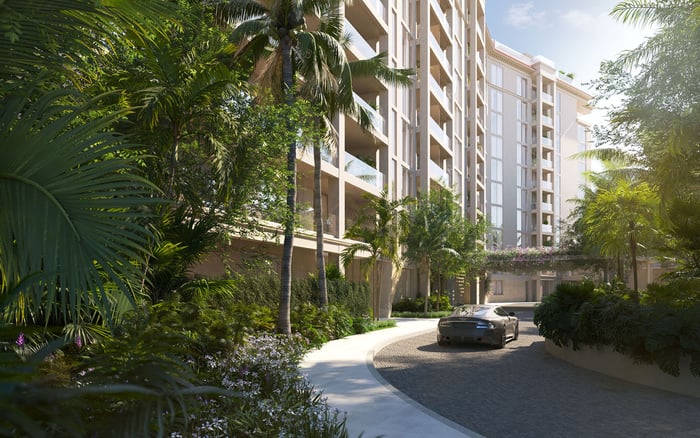
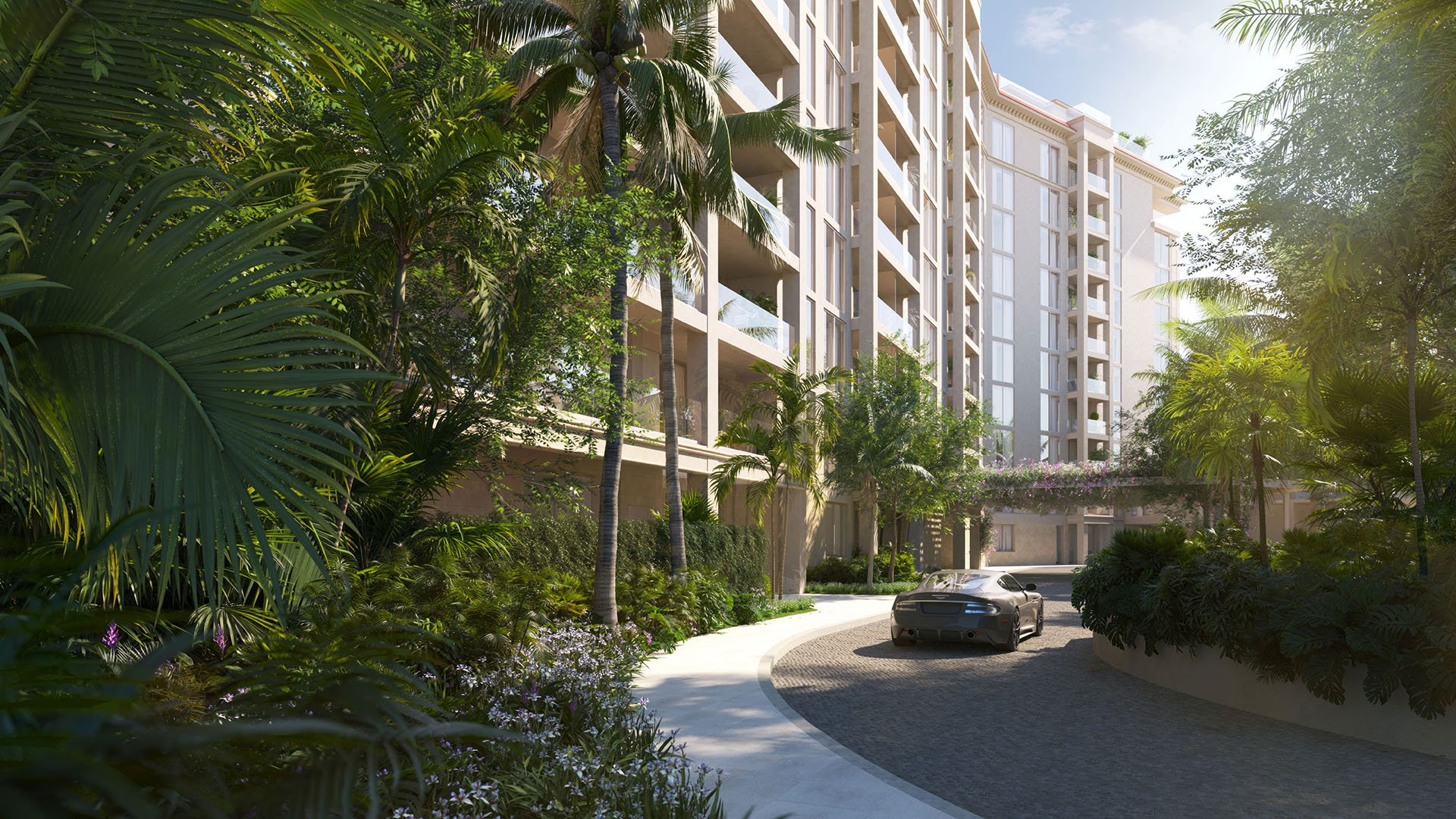
For international buyers, the most revealing moment of a property tour may happen before entering the residence. Arrival tells the truth. Is the drop-off intuitive? Is valet smooth or stressful? Is guest parking workable? Is the path from car to elevator discreet? If the family travels often, can luggage move easily without turning the lobby into a performance?
In high-end South Florida condominiums, the experience of arrival can shape the entire ownership experience. A residence may have exceptional interiors, but if every return feels congested or exposed, the home will not feel private. Buyers should tour at different times when possible and observe how the building handles residents, staff, visitors, deliveries, and service vehicles.
Parking should be considered as a long-term asset of convenience, not merely a line item. Households with teenagers, visiting relatives, drivers, or multiple cars should be particularly precise. The elegant choice is the one that anticipates tomorrow's needs, not only today's closing.
A South Florida home for a Buenos Aires household often carries emotional weight. It may be a second home, a future primary residence, a financial anchor, or a place where children build a bilingual, international life. That makes the search more complex than a standard luxury purchase. The residence must be beautiful, but it must also be forgiving.
Forgiving means the home works when guests arrive early, when a child has practice, when a spouse takes a late meeting, when a parent visits for three weeks, or when the family decides to stay longer than planned. It means the neighborhood can absorb routine, not just celebration.
The best choice is rarely the loudest option. It is the property where logistics become quiet. When the building, neighborhood, and floor plan align, South Florida begins to feel less like a destination and more like a second center of life.
Should a Buenos Aires buyer start in Brickell? Brickell is a logical starting point for many urban buyers, but it should be compared with neighborhoods that may better support schools, privacy, or quieter daily routines.
What is the most important logistics question? Ask how the household moves through a normal weekday, from wake-up to school, errands, work, meals, guests, and evening return.
How should families compare Brickell and Coconut Grove? Brickell offers a denser urban rhythm, while Coconut Grove may feel more residential and relaxed. The right fit depends on commute patterns and lifestyle preferences.
Is Coral Gables a good option for family logistics? Coral Gables can be attractive for buyers seeking a composed residential setting with a different pace from the urban core.
When does Miami Beach make sense? Miami Beach can work well when leisure, dining, beach access, and a more resortlike rhythm are central to the household's use of the home.
How important is building arrival? Very important. The sequence from car to lobby to elevator often determines whether a residence feels private, efficient, and calm.
Should buyers prioritize amenities or floor plan? Amenities matter, but the floor plan should come first because it governs storage, privacy, service flow, and daily comfort.
How many neighborhoods should a buyer compare? A focused search across three or four serious neighborhoods is usually more useful than touring every prestigious address in South Florida.
What should seasonal residents consider? Seasonal residents should plan for luggage, guests, car storage, staff access, and the possibility that short stays become longer over time.
What makes a luxury home feel effortless? A home feels effortless when arrival, parking, elevators, storage, staff movement, and neighborhood access support the household without constant decisions.
If you'd like a private walkthrough and a curated shortlist, connect with MILLION.
If branded residences are on your mind — as a home or as an allocation — we would be glad to share what we are seeing, privately.
Begin a quiet conversation