Wellness-led residences can feel effortless, but their real cost is shaped by staffing, maintenance, service standards, reserves, and how consistently the amenity program is funded.
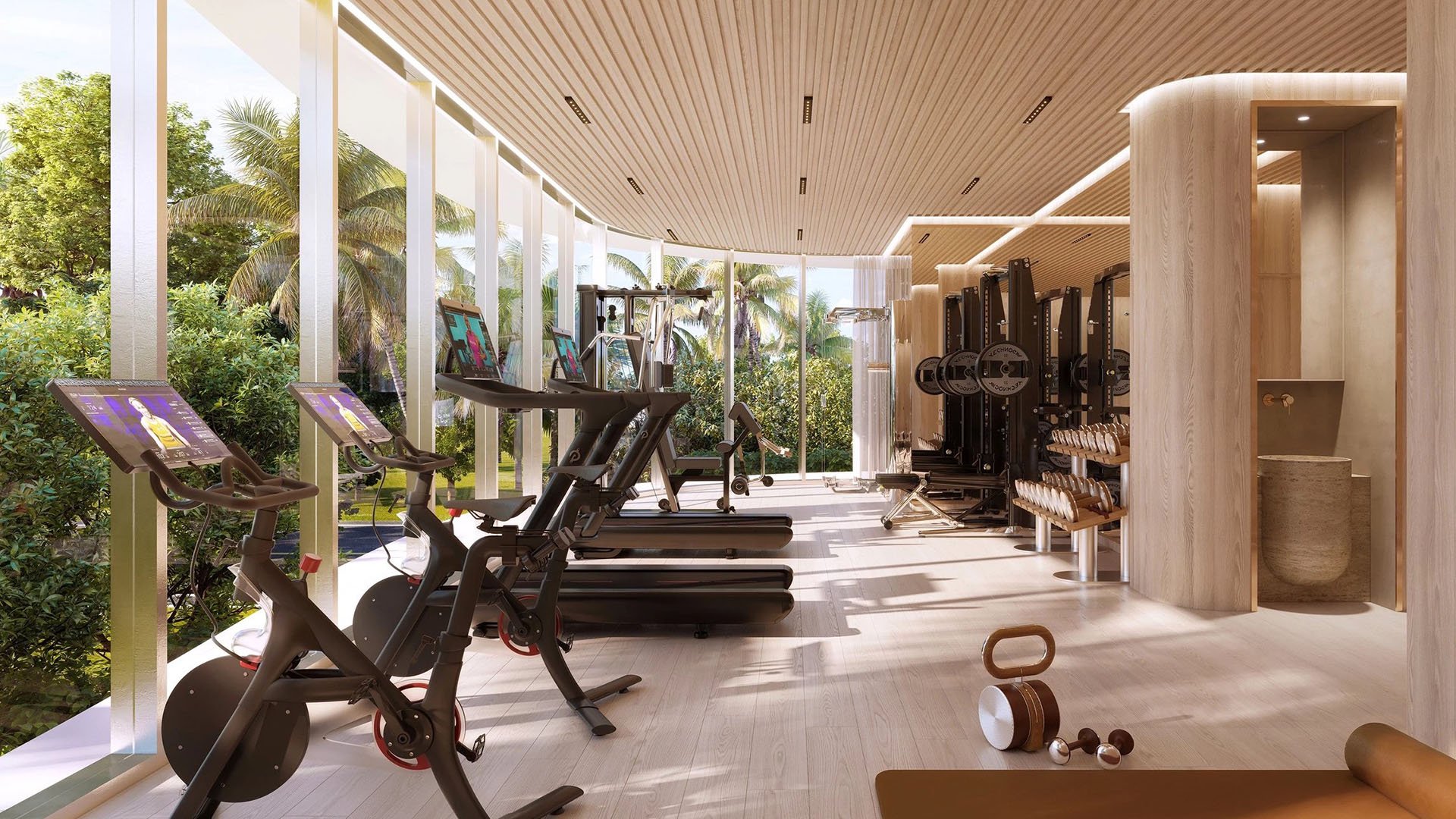
In South Florida luxury real estate, wellness has shifted from a pleasant amenity to a central part of the residential promise. Buyers now evaluate quiet treatment rooms, fitness environments, pools, recovery spaces, terraces, hospitality programming, and private service with the same scrutiny once reserved for ceiling heights and water views. The more important question, however, is not simply what a building offers. It is how the building plans to operate it.
A wellness-led residence is not a static collection of rooms. It is an operating ecosystem shaped by staffing, scheduling, supplies, maintenance, insurance considerations, cleaning protocols, equipment replacement, and management oversight. Those costs are typically reflected in the association budget, and they can meaningfully change the real carrying cost of ownership. For a buyer comparing Brickell, Miami Beach, Coconut Grove, Bay Harbor Islands, and the wider coastal market, the operating budget belongs beside price per square foot, view corridor, and floor plan.
The most beautiful wellness floor can disappoint if it is underfunded. A spa suite without consistent care, a fitness center without equipment upkeep, or a pool deck without attentive service will gradually lose its appeal. Conversely, a carefully managed amenity program can make daily life feel unusually seamless.
That is why the budget matters. It shows whether the lifestyle being marketed has a practical financial structure behind it. Buyers should look beyond the renderings and ask how many staff members are planned, what hours of operation are contemplated, which services are included in standard assessments, and which are charged separately. One residence may carry a higher monthly cost because it is delivering a more complete service model. Another may appear more efficient because it shifts more experiences to à la carte fees or limits the staffing commitment.
This is especially relevant in wellness-forward buildings such as The Well Bay Harbor Islands, where the buyer’s attraction is closely tied to a lifestyle concept. The operating plan should support that concept with discipline.
A serious review begins with line items. Staffing is often one of the clearest signals. Wellness spaces may require attendants, front desk coordination, cleaning teams, maintenance personnel, trainers, spa support, or management supervision, depending on the level of service. Each role affects the monthly assessment, and each also shapes the resident experience.
Maintenance is another key category. Fitness equipment, pool systems, saunas, treatment areas, locker rooms, outdoor furnishings, climate systems, lighting, and water features all age differently. A realistic budget should anticipate wear rather than react to it. Cleaning and supplies also deserve close attention, particularly where residents expect hotel-level presentation.
Reserve planning is equally important. Buyers often focus on the immediate monthly figure, but a low current assessment is not automatically a virtue if the building is not planning for future replacement needs. A wellness-led residence should account for the lifecycle of its amenity infrastructure. The question is whether ownership is paying steadily and transparently, or whether future owners may face less predictable costs.
Pricing & Trends conversations in South Florida often focus on headline price, waterfront scarcity, new-construction premiums, and branded design. Operating budgets are quieter, but they influence value in a more intimate way. They determine whether the property remains graceful in daily use.
In a Brickell tower, the buyer may be weighing convenience, skyline energy, and private wellness as an antidote to the pace of the city. A project such as 2200 Brickell sits in a market where residents may value both access and retreat. The operating question becomes: will the building maintain the calm, service, and amenity readiness that made the residence desirable in the first place?
On Miami Beach, the calculus can feel different. Outdoor spaces, water exposure, resort-like routines, and privacy expectations may place distinct demands on common-area care. A buyer considering 57 Ocean Miami Beach should evaluate how the beachside lifestyle is supported operationally, not only aesthetically.
In Coconut Grove, where buyers often seek a softer rhythm, landscape, privacy, and neighborhood texture, the amenity budget may reflect a more residential interpretation of wellness. At The Well Coconut Grove, the same principle applies: the monthly cost should be evaluated against the lived experience it is meant to preserve.
The lowest assessment is not always the best assessment. The highest is not automatically justified. What matters is alignment. Does the budget align with the building’s promise? Does it align with the resident profile? Does it align with the scale of the amenities and the service expectations being sold?
Buyers should ask for the most current proposed or adopted budget, the schedule of included services, the treatment of optional wellness services, and the assumptions around staffing. They should understand whether certain amenities are self-managed, vendor-managed, or dependent on third-party programming. They should also ask how future capital needs are addressed.
For pre-construction residences, the budget may be preliminary. That does not make it irrelevant. It simply means the buyer should treat it as a planning document and monitor how assumptions evolve before closing. For resale residences, historical budgets, assessment changes, and meeting materials can help reveal whether the building has been proactive or reactive.
The best version of Lifestyle in South Florida is not loud. It is quiet consistency: the pool area prepared before residents arrive, the wellness suite kept pristine, the fitness room functioning, the staff properly trained, and the common spaces aging with dignity. These details are not accidental. They are funded.
A buyer who studies the amenity operating budget is not being overly cautious. They are protecting the quality of daily life and the integrity of the investment. In the wellness-led segment, the real cost of ownership is not only the residence itself. It is the ongoing cost of making the promised lifestyle feel effortless.
What is an amenity operating budget? It is the portion of a residential association budget dedicated to running, staffing, maintaining, and refreshing shared amenities.
Why does it matter in a wellness-led residence? Wellness amenities often require ongoing care, scheduling, cleaning, equipment upkeep, and service coordination to perform as intended.
Should I choose the building with the lowest monthly assessment? Not automatically. A lower assessment may be efficient, but it should still be tested against the building’s service promise and maintenance needs.
What line items should a buyer review first? Start with staffing, maintenance, cleaning, utilities, vendor contracts, insurance-related costs, and reserves for future replacements.
Are wellness services always included in monthly dues? Not always. Some residences may include certain services while charging separately for private treatments, training, or specialized programming.
How should I compare two buildings with different amenity levels? Compare what each budget actually supports, including hours, staff, service depth, and the expected condition of shared spaces.
Can a high amenity budget be a positive sign? Yes, if it reflects thoughtful staffing, realistic maintenance, and a service model that residents genuinely value.
What should pre-construction buyers keep in mind? Proposed budgets can evolve, so buyers should revisit assumptions, included services, and final assessment estimates as delivery approaches.
How do reserves relate to wellness amenities? Reserves help plan for future replacement or repair of shared components, including equipment and amenity infrastructure.
What is the best way to shortlist comparable options for touring? Start with location fit, delivery status, and daily lifestyle priorities, then compare stacks and elevations to validate views and privacy.
To compare the best-fit options with clarity, connect with MILLION.
If branded residences are on your mind — as a home or as an allocation — we would be glad to share what we are seeing, privately.
Begin a quiet conversation