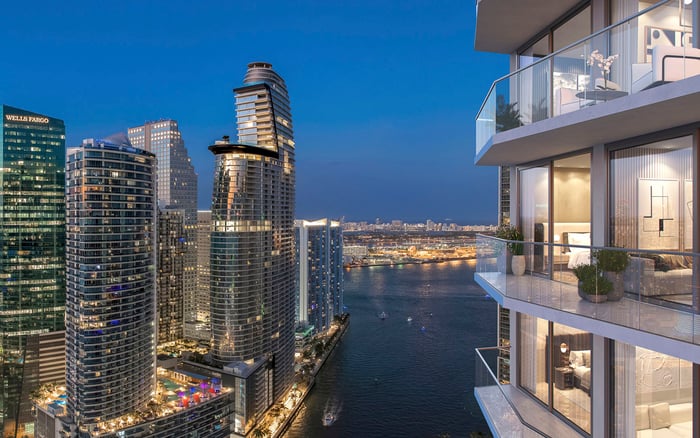
For Tokyo-based buyers, a South Florida acquisition is not merely a property decision. Yen-to-dollar conversion, proof of funds, compliance review, and escrow delivery must be coordinated backward from the contractual closing date.

For a buyer moving capital from Tokyo into South Florida real estate, the most elegant transaction is often one whose complexity remains invisible. The residence may be chosen for its architecture, privacy, waterfront setting, or promise of a new rhythm of life, but completion depends on a disciplined sequence of currency conversion, banking review, documentary consistency, escrow, and final confirmation of collected funds.
The contractual closing date should anchor that sequence. Work backward to determine when dollars must be secured, when the international remittance should begin, when the receiving escrow account must confirm funds, and when compliance questions can still be resolved without placing the transaction under pressure. Waiting until the final business day leaves little room for bank holds or additional review.
The exchange-rate decision and the closing transfer belong to one plan, but they are not the same task.
This distinction matters whether the target is a primary home, a second-home base, or an investment acquisition. A buyer may decide that the yen-to-dollar rate is acceptable on one date yet still need operational time to remit the dollars, document their origin, and confirm that escrow has received collected funds.
Foreign-exchange timing concerns when and how the buyer secures the dollars required for the purchase. Closing coordination concerns how those dollars move from the originating account into the title or escrow company’s account in a form ready for disbursement. Treating them as separate workstreams prevents an exchange decision from being mistaken for completed funding.
The dollar requirement should extend beyond the contract price. Proof of funds should also account for anticipated closing costs, banking fees, title charges, taxes, transfer fees, and closing adjustments. A prudent cushion reduces the risk that a modest difference between the initial estimate and final settlement figure triggers a late funding request.
That discipline applies across South Florida’s varied luxury settings. A buyer comparing The Residences at 1428 Brickell with a quieter address in Coconut Grove is making a lifestyle choice, but both transactions require the same fundamental liquidity plan. The objective is not to predict the perfect currency point. It is to establish an executable funding range and preserve sufficient time for the banking and closing teams to act.
Cash buyers should prepare proof of funds at the offer stage. A bank letter or recent bank or brokerage statements can demonstrate sufficient liquid assets, but the documentation should cover both the purchase price and anticipated closing costs.
For records originating in Japan, the closing team may request certified identification or translated financial documents. Because the exact request varies by transaction, the buyer should obtain the closing agent’s document and transfer requirements early. This creates time to prepare acceptable versions rather than resolve format or language issues in the final days.
Consistency is equally important. The buyer’s name or purchasing entity should align across the contract, proof-of-funds materials, source account, wire documentation, and closing records. If a company, trust, or other ownership structure will acquire the property, expect requests for entity documentation during closing review. Legal and tax advisers should help settle the intended ownership structure before documents and funds begin moving.
A Miami Beach search may lead to The Perigon Miami Beach, while a Palm Beach preference may bring Palm Beach Residences into consideration. In either case, a clean documentary profile can make the offer easier to understand and the eventual closing more orderly.
The title or escrow company should be involved early enough to document the origin and movement of closing funds. International buyers should be prepared to explain the source account, beneficial ownership where relevant, and the route the money will take. Requests for clarification are easier to address before the deadline becomes immediate.
Florida settlement agents cannot treat a cashier’s check or personal check as good funds until it has cleared the title company’s escrow account. Large cash closings are therefore commonly completed by wire transfer, allowing collected funds to be confirmed before disbursement. Sending a wire, however, is not the same as confirming receipt. The buyer’s timetable should include acknowledgment from the closing team that the correct amount has arrived and is available for closing.
International wires can encounter bank holds. The transfer should therefore be scheduled with enough lead time for remittance, review, and escrow confirmation. Buyers should confirm wire instructions well before closing; at least three business days offers a useful operational benchmark and avoids waiting until the eve of settlement.
Email alone should never be treated as sufficient authority for wiring instructions. Before releasing funds, call the title company using a known telephone number and verify the beneficiary name, bank, account, routing details, and reference information. Do not rely on a telephone number contained only in the email that delivered the instructions.
A disciplined protocol can be concise: identify the authorized contact early, agree on the verification channel, confirm the instructions by phone, and notify the closing team when the transfer has been initiated. The buyer should then request confirmation of receipt. This procedure is especially important when Tokyo and Florida business hours leave a narrow window for live communication.
For a waterfront purchase such as Four Seasons Residences Coconut Grove, discretion should extend beyond personal service to financial controls. Family-office personnel, assistants, bankers, counsel, and the closing agent should know who is authorized to approve details and who will verify them.
Florida title providers can support international buyers who are not physically present in the state. Remote closing services can prepare documents, provide secure wire instructions, and confirm receipt of funds. That convenience is meaningful, but it does not eliminate the need for advance planning.
Request a written closing calendar identifying documentary deadlines, identification requirements, entity records, wire verification, transfer timing, and confirmation of collected funds. Build the schedule around both Florida and Tokyo working days. If translated or certified materials may be required, prepare them before the final package is due.
The clearest plan assigns responsibility. The buyer determines an acceptable foreign-exchange approach with the appropriate financial advisers. The bank explains conversion and remittance procedures. Legal and tax professionals address ownership and cross-border implications. The title or escrow company defines its transaction-specific requirements and confirms the funds needed to close.
Luxury is often associated with choice, but a closing preserves that choice only when liquidity and documentation are ready before they are needed. An early proof-of-funds file strengthens the offer stage. A considered currency plan reduces rushed decisions. A verified wire process protects the transfer. A calendar built backward from closing gives every professional sufficient room to perform.
For Tokyo-based buyers, the objective is not simply to convert yen into dollars. It is to compose the financial path as carefully as the residence itself, with a funding cushion, consistent records, secure verification, and collected funds in escrow before the contractual deadline.
For discreet guidance on selecting and acquiring an exceptional South Florida residence, connect with MILLION.
If branded residences are on your mind — as a home or as an allocation — we would be glad to share what we are seeing, privately.
Begin a quiet conversationProof of funds should be ready at the offer stage, typically through a bank letter or recent bank or brokerage statements showing sufficient liquid assets.
Yes. It should account for the purchase price plus anticipated closing costs and a prudent cushion for fees and adjustments.
No. The buyer first decides when to secure dollars, then allows separate time for remittance, compliance review, and escrow confirmation.
International wires may face bank holds or additional review, so backward planning helps ensure collected funds reach escrow before the contractual deadline.
Confirm them well before closing, with at least three business days serving as a useful operational benchmark.
Call the title company at a known telephone number and confirm all banking details rather than relying solely on email.
Not until it has cleared the title company’s escrow account. Large cash closings are therefore commonly funded by wire transfer.
Depending on the transaction, the buyer may need certified identification, translated financial records, and documentation for a company, trust, or other purchasing entity.
Yes. Florida title providers can support international closings, prepare documents, issue secure wire instructions, and confirm receipt of funds.
Consistency across the contract, proof of funds, source account, wire records, and closing documents helps the closing team review the transaction efficiently.